Think you've mastered the art of time travel on screen? Netflix's Dark is here to shatter that illusion. Since its 2017 debut, this German series has carved out a permanent spot in the streaming giant's sci-fi hall of fame, standing tall alongside heavyweights like Black Mirror and Stranger Things. But what makes Dark truly special isn't just its longevity—it's the way it continues to pull in viewers, racking up a staggering 64 million viewing hours even nine years after its first episode aired.
Dark isn't your typical easy-binge sci-fi. It starts with what looks like a simple missing-person case in the small town of Winden, but quickly spirals into a mind-bending web of interconnected families, generational secrets, and time loops that defy logic. Over three seasons, the show masterfully blends high-concept sci-fi with deeply human drama, never sacrificing one for the other. That delicate balance is exactly why audiences keep coming back, even as the series grows more complex with each episode.
What Is 'Dark' About?
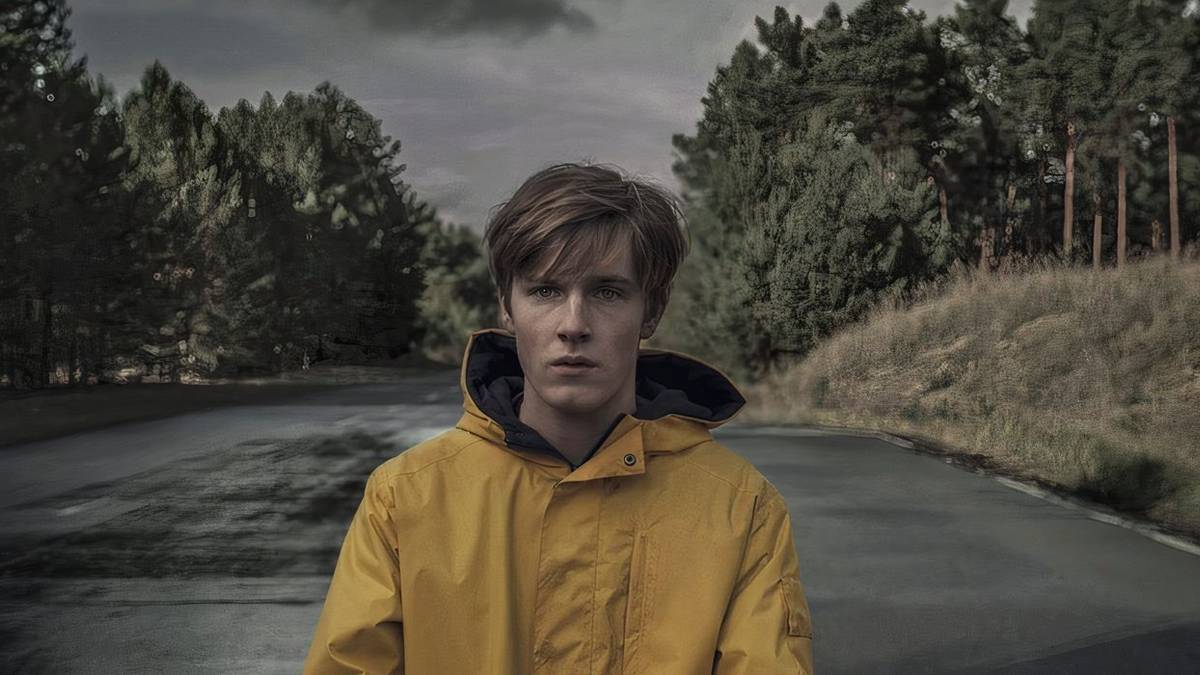
Set in the fictional German town of Winden, Dark opens in June 2019 with the suicide of Michael Kahnwald (Sebastian Rudolph). The story then jumps to November 4, when his teenage son Jonas (Louis Hofmann) returns to school after a two-month psychiatric stay. By then, teenager Erik Obendorf (Paul Radom) has already vanished, unsettling the quiet community. But the real shock comes when 11-year-old Mikkel Nielsen (Daan Lennard Liebrenz) disappears while exploring the woods with his siblings and friends.
As the police scramble for answers and more children go missing, the town's mysterious caves—located near the local nuclear power plant—become the focal point of the investigation. When several residents venture into the caves, they stumble upon a wormhole that connects 1953, 1986, and 2019. What follows is a desperate search that reveals a heartbreaking truth: pain and loss echo across generations, and the past is never truly past.
Every Season Gets More Mind-Bending
One of Dark's boldest moves is putting four families—the Kahnwalds, Nielsens, Dopplers, and Tiedemanns—at the center of its sprawling narrative. Add in extended relatives and other key players, and you've got a cast that requires serious note-taking. The show's intricate family trees and time-hopping plotlines make it one of the most challenging yet rewarding watches on Netflix. It's no wonder fans often turn to recaps and fan theories just to keep up.
But Dark isn't just about big ideas; it's the little details that make it shine. A seemingly insignificant object appearing in the wrong era, a character's uncanny resemblance to their younger or older self, or a recurring photograph that gains new meaning—all these elements weave together to create a rich, layered narrative. The show proves that in time travel, even the smallest detail can have monumental consequences.
More Than Just Time Travel
While the sci-fi elements are undeniably impressive, Dark's true power lies in its exploration of human emotion. At its core, the series asks a profound question: What would you do if you could change the past? For Jonas, that means preventing his father's suicide. For Ulrich, it's going back in time to kill a child, hoping to save his own son. These choices, driven by grief and desperation, often lead to unintended and tragic outcomes.
The show doesn't shy away from the darker side of human nature. It examines how grief can cloud judgment and make us believe that a second chance could fix everything. But Dark ultimately teaches a hard lesson: some things can't be changed, and acceptance is the only way forward. It's this emotional depth that elevates Dark from a clever sci-fi puzzle to a profound meditation on loss, regret, and the ties that bind us.
Nine years on, Dark remains a benchmark for what television can achieve. Its blend of intricate storytelling, philosophical questions, and raw human drama has inspired countless other shows and continues to attract new viewers. If you haven't yet taken the plunge into Winden's tangled timeline, now might be the perfect time to see why this sci-fi masterpiece still holds viewers in its grip. And for those who've already journeyed through its loops, a rewatch might just reveal something you missed the first time.