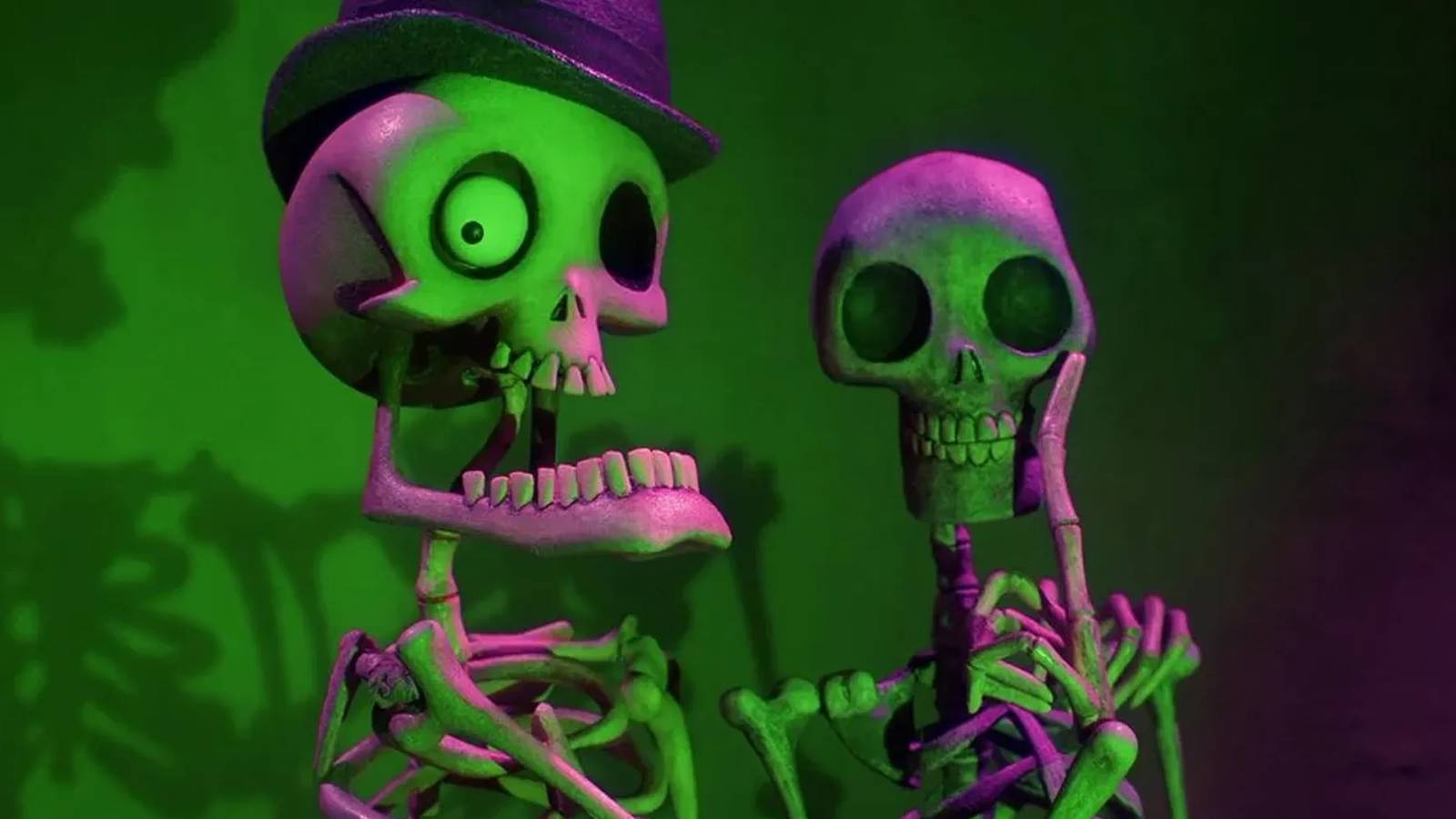
The 1960s were a decade of seismic cultural shifts, and cinema was at the forefront of that revolution. As the Hays Code crumbled and the studio system gave way to a new wave of independent thinking, screenwriters seized the moment to craft stories that were bolder, more honest, and more challenging than ever before. From the gritty realism of crime sagas to the acidic bite of satirical comedies, the best screenplays of the era didn't just entertain—they held a mirror to a society in turmoil.
These scripts captured the zeitgeist of civil rights, anti-war protests, and the sexual revolution, while also pushing the boundaries of narrative structure and character. They gave us anti-heroes, unreliable narrators, and endings that refused to tie everything up neatly. In doing so, they set a new standard for what cinema could achieve. Here are the ten greatest movie screenplays of the 1960s, ranked for their lasting impact and sheer craft.
10. Harakiri (1962)
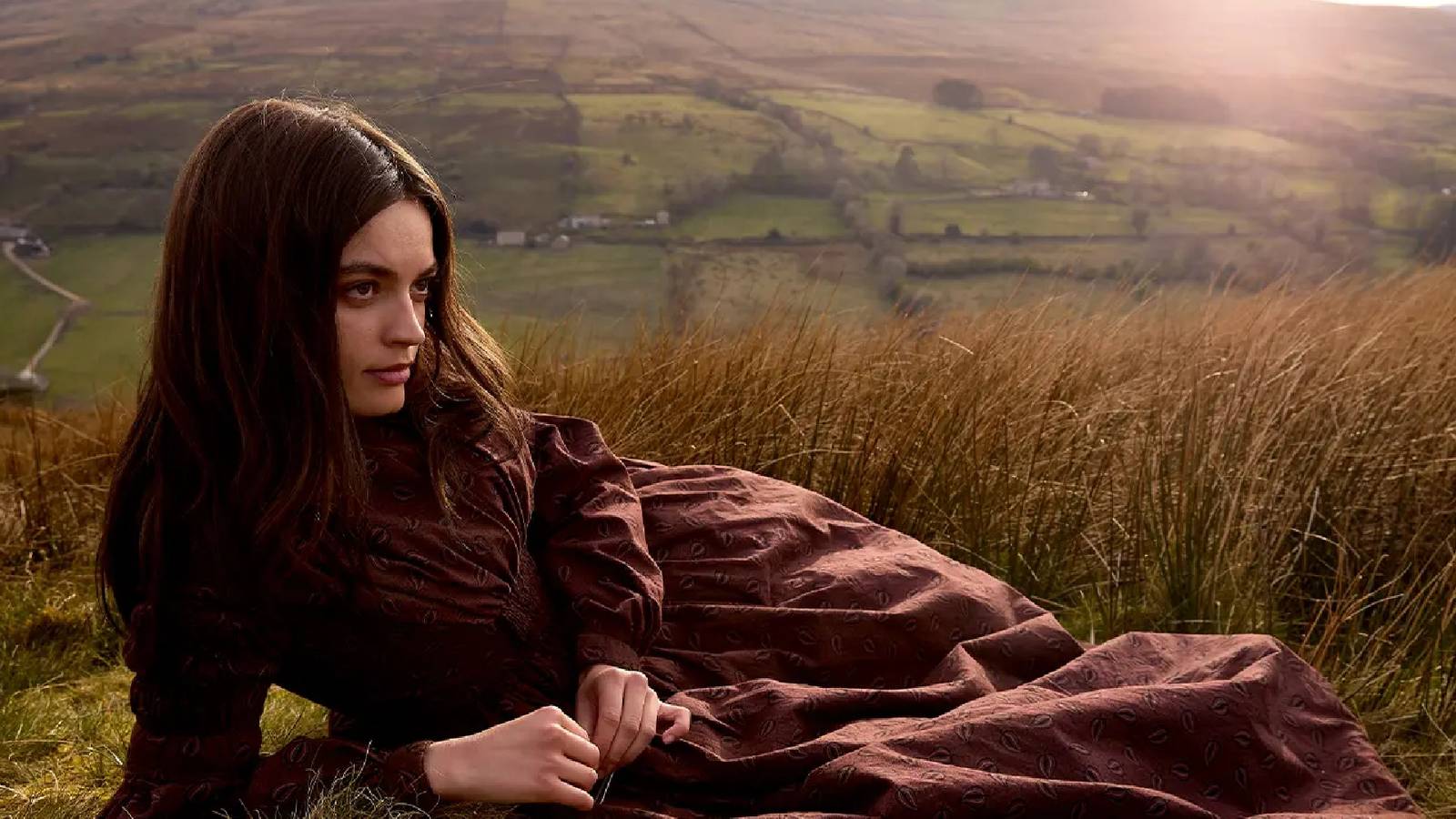
Shinobu Hashimoto's screenplay for Harakiri is a masterclass in slow-burn tension and devastating payoff. The film follows Hanshiro, an aging samurai who requests to commit seppuku in a feudal lord's palace, but as he begins his story, we learn of a tragic connection to a previous visitor. Through intricate non-linear storytelling, Hashimoto weaves a tale of honor, corruption, and revenge that culminates in one of the most gripping final duels in samurai cinema. It's a piercing deconstruction of institutional power and the hollow codes that sustain it.
9. Bonnie and Clyde (1967)
David Newman and Robert Benton's screenplay for Bonnie and Clyde shattered Hollywood conventions with its unflinching violence and anti-establishment fervor. The film turned the real-life crime spree of Bonnie Parker and Clyde Barrow into a mythic tale of rebellion that resonated deeply with 1960s audiences. Its blend of dark humor, graphic violence, and sympathetic outlaws paved the way for the American New Wave and remains a touchstone for crime cinema.
8. The Graduate (1967)
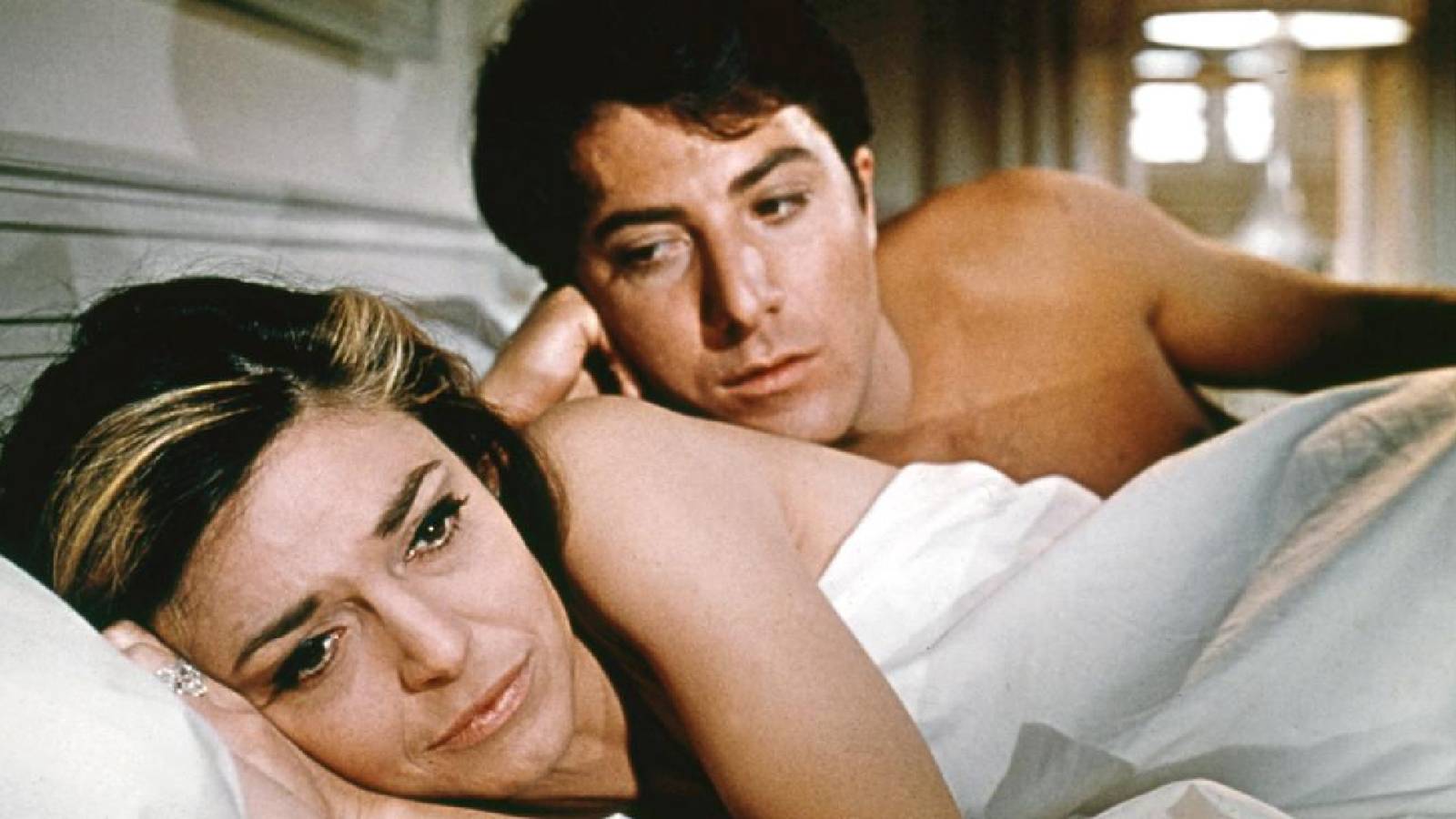
Buck Henry and Calder Willingham's adaptation of Charles Webb's novella is a razor-sharp satire of suburban ennui and generational conflict. The screenplay's genius lies in its passive protagonist, Benjamin Braddock, whose inertia becomes the driving force of the story. His affair with the older Mrs. Robinson and his subsequent pursuit of her daughter Elaine capture the confusion and rebellion of youth in a world of stifling conformity. The iconic final scene, with its ambiguous expression, remains one of cinema's most debated endings.
7. Psycho (1960)
Joseph Stefano's screenplay for Psycho is a revolutionary piece of writing that defied every expectation. By killing off its protagonist at the midpoint, Stefano upended narrative conventions and turned the film into a tense detective thriller. The script is a masterclass in audience manipulation, revealing just enough to keep us on edge while hiding the true horror until the final reveal. It's a genre-defining work that proved horror could be both intelligent and terrifying.
6. Lawrence of Arabia (1962)
Robert Bolt's screenplay for Lawrence of Arabia is an epic in every sense, chronicling the life of T.E. Lawrence with sweeping scope and intimate detail. Bolt's script balances grand historical events with the personal struggles of its enigmatic protagonist, creating a portrait of a man torn between cultures and ideals. The film's legendary status owes much to Bolt's ability to craft dialogue that is both poetic and grounded, making it a towering achievement in historical drama.
5. Dr. Strangelove (1964)
Stanley Kubrick, Terry Southern, and Peter George's screenplay for Dr. Strangelove is a brilliant satire of Cold War paranoia and military folly. The script turns the terrifying prospect of nuclear annihilation into dark comedy, with unforgettable characters like the deranged General Jack D. Ripper and the titular Dr. Strangelove. Its sharp wit and unflinching critique of the military-industrial complex remain as relevant today as they were in 1964.
4. 2001: A Space Odyssey (1968)
Stanley Kubrick and Arthur C. Clarke's screenplay for 2001: A Space Odyssey is a philosophical journey that redefined science fiction. The script, which was developed in tandem with Clarke's novel, eschews traditional narrative in favor of a meditative exploration of human evolution and artificial intelligence. Its sparse dialogue and iconic imagery—from the bone-to-spaceship match cut to the final Star Child—have made it a touchstone of cinematic ambition.
3. The Apartment (1960)
Billy Wilder and I.A.L. Diamond's screenplay for The Apartment is a perfect blend of comedy and drama, tackling themes of corporate ethics and loneliness with wit and heart. The story of C.C. Baxter, who lends his apartment to his bosses for their extramarital affairs, is both hilarious and poignant. Wilder and Diamond's dialogue crackles with sharp one-liners, but it's the film's emotional depth that elevates it to greatness.
2. The Good, the Bad and the Ugly (1966)
Agenore Incrocci, Furio Scarpelli, Luciano Vincenzoni, and Sergio Leone's screenplay for The Good, the Bad and the Ugly is a sprawling tale of greed and betrayal set against the backdrop of the Civil War. The script's three central characters—Blondie, Angel Eyes, and Tuco—are archetypes of the Western genre, but their interactions are anything but predictable. The film's famous Mexican standoff and its haunting finale are testaments to the power of its writing.
1. The Graduate (1967) – Wait, We Already Did That
Actually, let's correct that: the number one spot belongs to Psycho for its sheer audacity and influence. But if we're being honest, the top slot could easily go to any of the films on this list. The 1960s were a golden age for screenwriting, and these ten scripts represent the very best of that era. They challenged audiences, broke rules, and left an indelible mark on cinema. For more on the era's impact, check out our list of classic American thrillers or explore the best-plotted thrillers of all time.