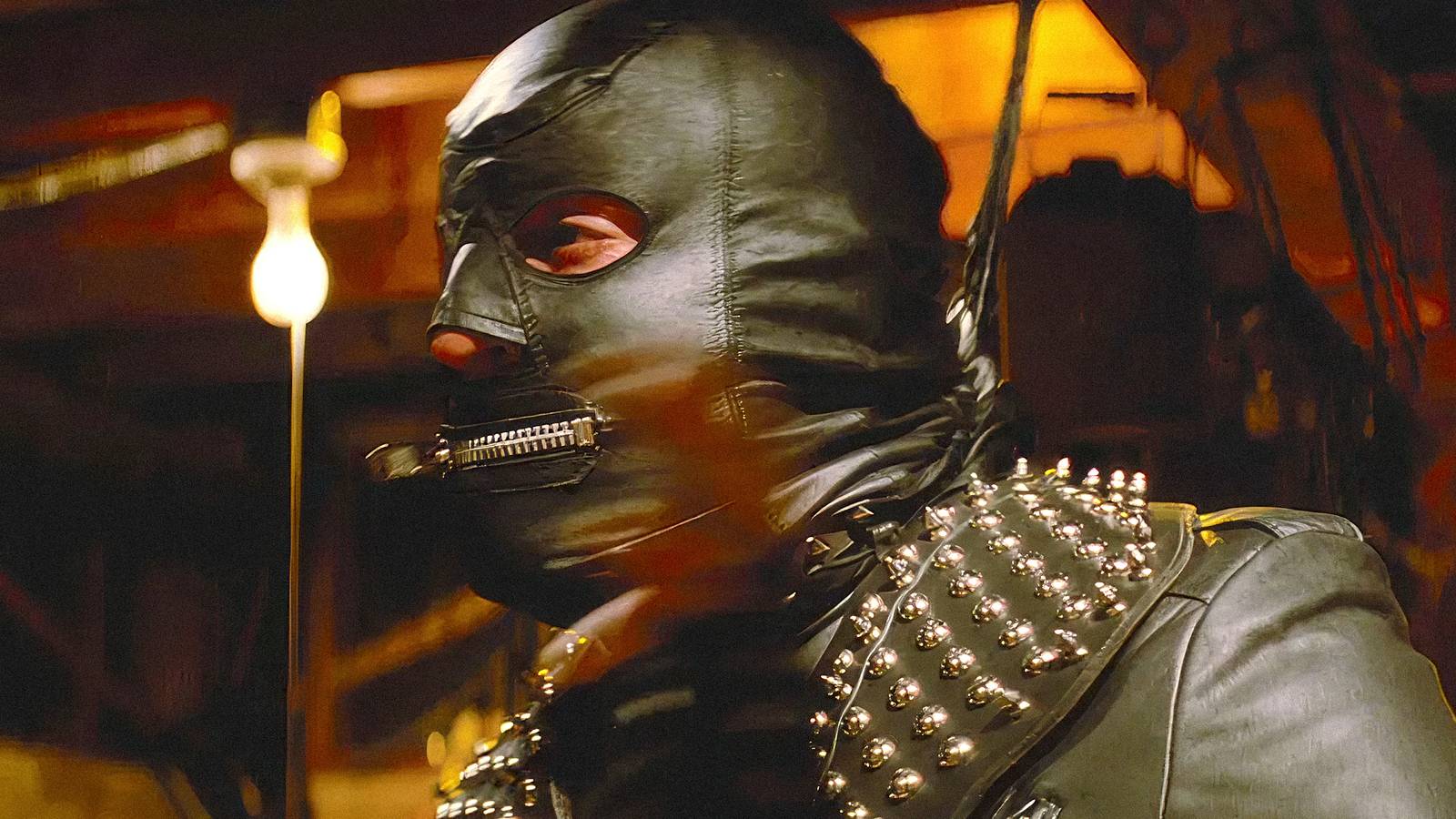
Quentin Tarantino's Pulp Fiction is a landmark film packed with unforgettable moments, but few are as shocking or discussed as the appearance of the Gimp. This silent, leather-clad figure in the pawn shop basement has haunted viewers' imaginations for decades. Now, the director himself has pulled back the curtain on this mysterious character's origins and ultimate fate, while also shedding light on the actor who endured the hot, uncomfortable suit.
The Scene That Shocked a Generation
While the film follows the intertwining stories of hitmen Vincent Vega and Jules Winnfield, a crucial subplot involves boxer Butch Coolidge and crime boss Marsellus Wallace. After a violent confrontation, the two men find themselves prisoners in the basement of a sinister pawn shop, at the mercy of Maynard and Zed. Their terrifying situation is underscored by the presence of the Gimp—a chained, masked submissive who watches over Butch. The scene is a masterclass in building tension and remains one of cinema's most jarring sequences.

Tarantino's Long-Held Explanation
For years, the Gimp existed without context, a purely visual symbol of depravity. In a 2020 interview, Tarantino finally provided the grim backstory he envisioned while writing. "In my mind when I wrote it, the Gimp's dead," the director stated. "Butch knocked him out and then when he passed out he hung himself." He elaborated that the character was conceived as a hitchhiker picked up years prior by Maynard and Zed, who had been "trained" to be their perfect victim. This dark detail adds a tragic layer to the character's brief, terrifying screen time.
The Man Behind the Mask: Stephen Hibbert
The actor tasked with bringing this silent nightmare to life was Stephen Hibbert, a comedian from the famed Groundlings improv school in Los Angeles. Tarantino, who also performed there, specifically asked Hibbert to audition. The tryout was unconventional, to say the least. "He and I did like a little psychodrama where he was, you know, being dominant and I was being passive. Just improv," Hibbert recalled in a 2014 interview. He got the role, describing the two-day shoot as "a blast" where Tarantino simply told him to "go nuts."
A Surprising Double Life
Here's where the story takes an unexpected turn. While filming his role as the sexually creepy Gimp in 1994, Stephen Hibbert was simultaneously working as a writer on two of the most beloved children's animated series of the era: Tiny Toon Adventures and Animaniacs. The cognitive dissonance is striking—by day, crafting jokes for kids; by night, playing a leather-clad submissive in one of the decade's most adult films. It's a contrast so sharp, as the original article noted, that even Tarantino couldn't have written it.
This revelation came as a shock even within comedy circles. Hibbert shared an anecdote about watching Pulp Fiction with fellow comedian Jon Lovitz. When Lovitz saw Hibbert's name in the credits as the Gimp, he exclaimed, "WHAT? I know the Gimp?!"
Tarantino's Signature: Unforgettable Minor Roles
The Gimp is a prime example of Tarantino's genius for creating small, bizarre characters that leave an outsized impression. This is a filmmaker who understands that a single scene can cement a character in pop culture forever. Think of Christopher Walken's haunting monologue about the watch in Pulp Fiction, a cameo that remains one of his most iconic performances. Tarantino consistently uses actors, both famous and unknown, in brief, jarring, and memorable ways that other directors might relegate to the background. For more on Tarantino's influential style, explore our look at how 'Inglourious Basterds' channels classic cinema.
The legacy of Pulp Fiction is built on these moments of audacious creativity. It redefined independent cinema and launched Tarantino into the stratosphere. The film's impact on the crime genre is undeniable, joining the ranks of other foundational works. For a deeper dive into these influential movies, check out our feature on 10 Crime Films That Built the Genre.
So, the next time you revisit the chaotic, brilliant world of Pulp Fiction, you'll know the secret history of its most unsettling resident. The Gimp was more than a shocking visual—he was a tragic figure in Tarantino's mind, brought to life by a comedian who was, at that very moment, writing gags for Warner Bros.' most famous cartoon characters. It's a bizarre Hollywood story that only a film like Pulp Fiction could produce.