Samurai cinema has been a cornerstone of world filmmaking for over a century. What began in the 1910s as cinematic adaptations of Kabuki theater—with its ornate costumes and stylized performances—evolved by the 1920s into the thrilling swordplay genre known as chanbara. But it wasn't until the 1950s, thanks to the visionary work of Akira Kurosawa, that samurai films captured global audiences and cemented their place as one of the most influential and entertaining genres in movie history.
Today, the best samurai movies are celebrated for their breathtaking action, profound themes, and unforgettable characters. They've inspired countless filmmakers, from Westerns to sci-fi, and continue to resonate with audiences worldwide. Here are the ten greatest samurai films ever made, ranked for their artistry, impact, and sheer cinematic power.

10. The Last Samurai (2003)
While Japan has produced the vast majority of the genre's masterpieces, Hollywood has occasionally delivered its own gems. Edward Zwick's The Last Samurai, starring Tom Cruise, is arguably the finest American take on the samurai film. Inspired by the 1877 Satsuma Rebellion, the film follows an American military advisor who finds himself drawn to the samurai way of life after being captured by them.
Despite criticism from history buffs over its historical liberties, the film has earned a devoted following over the past two decades. With stunning visuals, a deeply emotional story, a powerful performance from Cruise, and a legendary score by Hans Zimmer, it proves that exceptional samurai cinema can transcend borders. For more on Cruise's career, check out our ranking of his best films.
9. Kubo and the Two Strings (2016)
Animated films often get overlooked in genre discussions, but Kubo and the Two Strings is a stunning exception. This stop-motion masterpiece from LAIKA is not only one of the greatest animated films of the 21st century but also a deeply moving samurai tale. The intricate animation is a visual marvel, while the story—centered on a young boy's quest to uncover his father's legacy—explores themes of grief, memory, and the power of storytelling.
It's a perfect introduction to samurai cinema for younger viewers, yet its emotional depth and artistry make it essential for any fan of the genre.
8. Lone Wolf and Cub: Baby Cart at the River Styx (1972)
Based on the iconic manga by Kazuo Koike and Goseki Kojima, the Lone Wolf and Cub series redefined samurai cinema with its gritty, violent, and over-the-top style. The second film, Baby Cart at the River Styx, is widely considered the best of the six. It follows the wandering assassin Ogami Ittō and his young son Daigoro, as they face a series of deadly adversaries.
This film helped popularize the samurai exploitation subgenre, subverting traditional tropes with its pulpy, visceral energy. It's a must-watch for those who find more traditional samurai films too restrained.
7. Sanjuro (1962)
Akira Kurosawa is the undisputed master of samurai cinema, and Sanjuro is one of his most brilliant works. A sequel of sorts to Yojimbo, it follows the wandering ronin Sanjuro (Toshiro Mifune) as he helps a group of young samurai rescue their kidnapped leader. But unlike Kurosawa's more serious epics, Sanjuro is a witty, subversive take on the genre, filled with dark humor and clever twists.
Mifune's performance is magnetic, and the film's famous final duel is one of the most iconic moments in cinema history. It's a reminder that Kurosawa could do more than just serious drama—he could also have fun with the genre.
6. The Sword of Doom (1966)
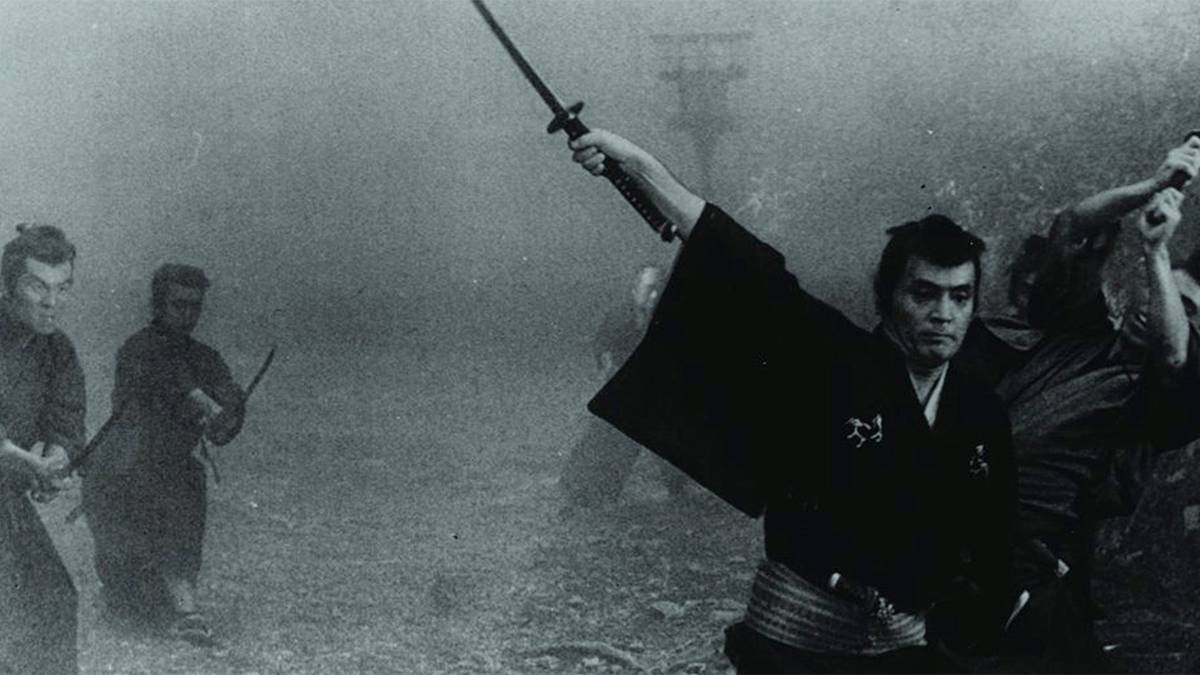
Kihachi Okamoto's The Sword of Doom is a dark, subversive masterpiece that deconstructs the samurai myth. Tatsuya Nakadai delivers a chilling performance as Ryunosuke Tsukue, a skilled but amoral swordsman whose path of violence leads to his own destruction. The film's stunning black-and-white cinematography and breathtaking action sequences are matched by its profound exploration of the destructive nature of violence.
Its ambiguous, haunting ending is considered one of the greatest in the genre. For those who appreciate films that challenge conventions, this is essential viewing.
5. Harakiri (1962)
Masaki Kobayashi's Harakiri is a searing indictment of the samurai code of honor. The film tells the story of an aging ronin who arrives at a feudal lord's castle to request a place to commit ritual suicide, but his request sets off a chain of events that exposes the hypocrisy and cruelty of the samurai class. With its powerful anti-war message and masterful storytelling, Harakiri is widely regarded as one of the greatest films ever made.
It's a slow-burn drama that builds to a devastating climax, and its critique of blind loyalty remains relevant today.
4. Yojimbo (1961)
Kurosawa's Yojimbo is a genre-defining classic that inspired the spaghetti Western A Fistful of Dollars and countless other films. Toshiro Mifune stars as a wandering ronin who plays two rival gangs against each other in a small town, leading to chaos and bloodshed. The film is a masterclass in tension and dark comedy, with Mifune's iconic performance making him a legend.
Its influence on cinema is immeasurable, and it remains one of the most entertaining films ever made.
3. Seven Samurai (1954)
Kurosawa's epic Seven Samurai is not only the greatest samurai film ever made but also one of the greatest films of all time. The story of a village hiring seven ronin to defend against bandits has been remade and reimagined countless times, but nothing matches the original. With its sweeping scope, unforgettable characters, and groundbreaking action sequences, it's a cinematic triumph that continues to inspire filmmakers today.
Its influence can be seen in everything from action movies to sci-fi epics.
2. Ran (1985)
Kurosawa's Ran is a breathtaking epic based on Shakespeare's King Lear. Set in feudal Japan, it tells the story of an aging warlord who divides his kingdom among his three sons, leading to betrayal, war, and tragedy. The film's stunning visuals, including its use of color and composition, are matched by its profound meditation on power and mortality.
It's a late-career masterpiece that proves Kurosawa's genius never faded.
1. Throne of Blood (1957)
Kurosawa's Throne of Blood is a haunting adaptation of Shakespeare's Macbeth, set in samurai-era Japan. Toshiro Mifune delivers a towering performance as a warrior driven by ambition and prophecy, leading to his tragic downfall. The film's atmospheric fog, striking imagery, and chilling final sequence make it a masterpiece of cinema.
It's a perfect blend of Shakespearean tragedy and Japanese aesthetics, and it stands as the pinnacle of samurai cinema.
These ten films represent the very best of a genre that has captivated audiences for over a century. Whether you're a longtime fan or new to samurai cinema, these masterpieces are essential viewing. And if you're looking for more cinematic gems, check out our list of hard sci-fi films or horror movies that go off the rails.