Horror films have long held a mirror to society's darkest corners, using fear to explore themes we often shy away from. While many classics are revered, sometimes a modern reinterpretation digs deeper, uncovering a more visceral and unsettling truth. Such is the case with the 2021 Norwegian film The Innocents, a chilling remake that not only shares a name with the 1961 Jack Clayton classic but boldly surpasses it in sheer, unnerving terror.
Two Films, One Name, Vastly Different Horrors
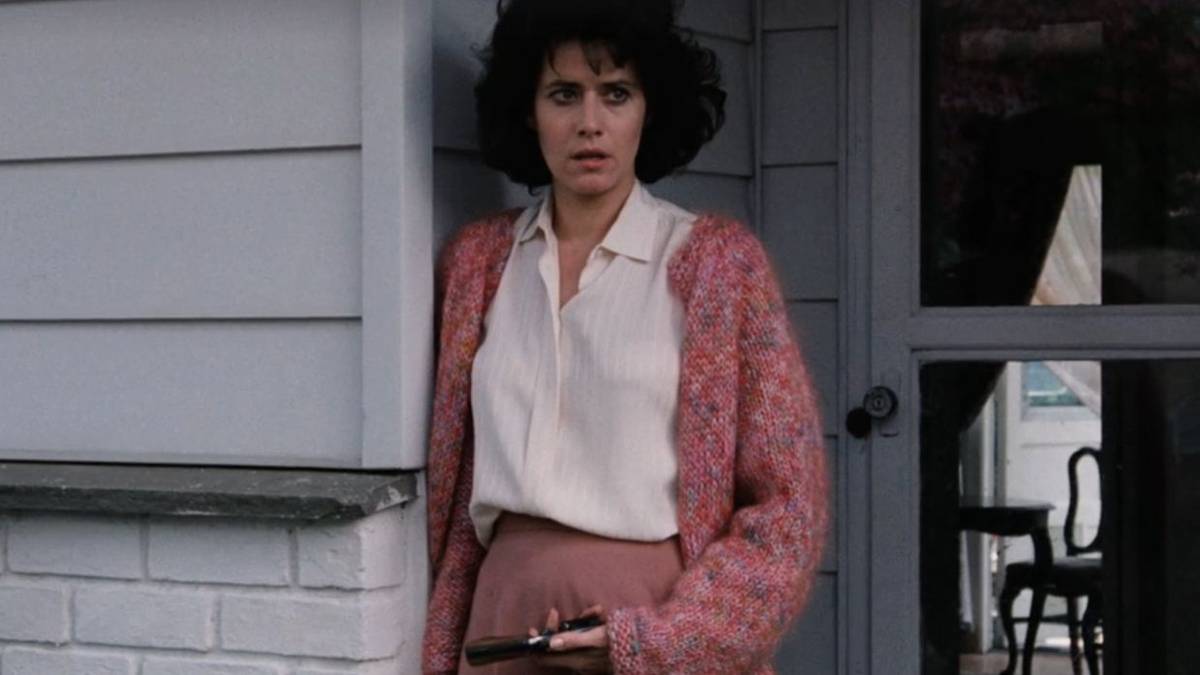
The original 1961 film, starring Deborah Kerr, is a gothic masterpiece about a governess confronting possibly possessed children in a remote manor. It's a subtle, psychological dance that uses suggestion and ambiguity to hint at the corruption of youth, ultimately leaning on supernatural possession to explain the children's malevolence. The 2021 version, directed by Eskil Vogt, strips away that supernatural safety net. It presents children whose capacity for cruelty is entirely their own, made infinitely more terrifying when combined with emerging psychic abilities.
This modern take is less about ghosts and more about the inherent, often frightening, autonomy of childhood. It asks a harrowing question: what happens when the moral compass is still forming, but the power to act on every impulse is absolute? The answer is a cinematic experience that feels less like a traditional ghost story and more like a descent into a raw, primal fear of innocence corrupted from within.
Superpowers Meet Childhood Savagery
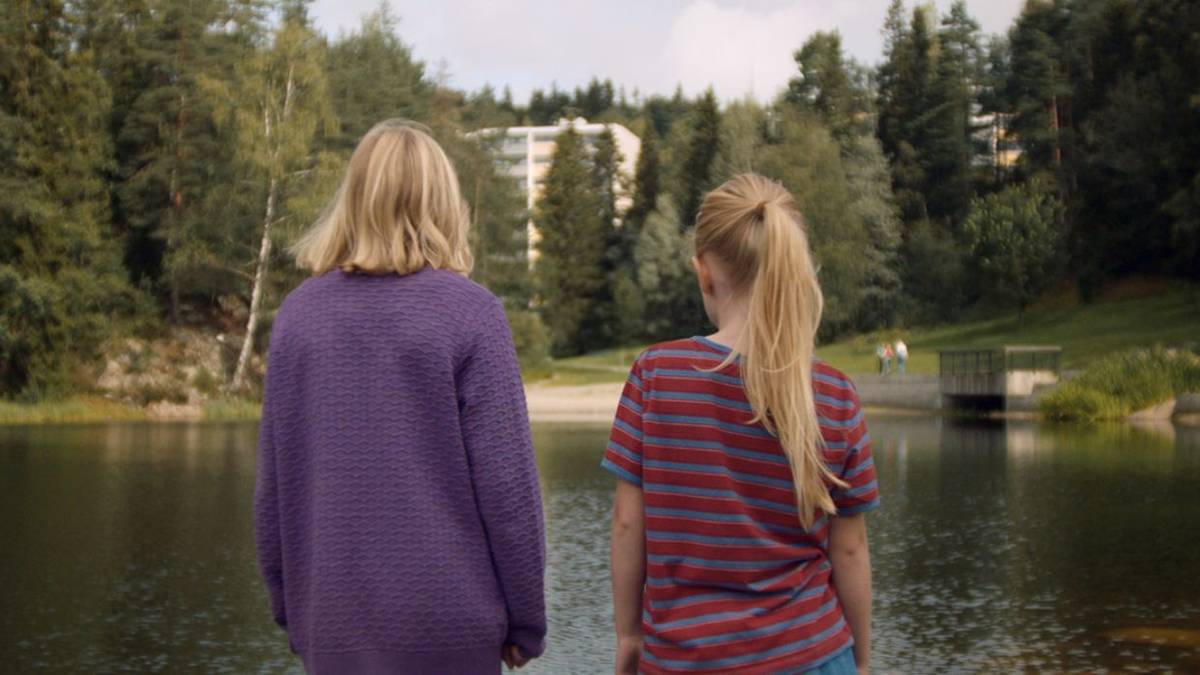
Set in a sun-drenched Scandinavian apartment complex during summer break, the film follows young sisters Ida and Anna. Ida, resentful of caring for her nonverbal autistic sister, exhibits small, cruel acts of bullying. This establishes the film's core thesis from the outset: children can be capable of profound selfishness and brutality, often simply because they haven't yet learned otherwise. The horror amplifies when Ida and Anna befriend neighbors Ben and Aisha, who are discovering their own telekinetic and telepathic powers.
What begins as innocent childhood exploration of these abilities quickly spirals into something monstrous. Without adult supervision or moral guidance, the children experiment on animals and each other, their games blurring into acts of shocking violence. The film's genius lies in its matter-of-fact portrayal; these aren't demonic children, but kids navigating morality with the destructive tools of gods. The realism of their interactions makes the ensuing supernatural horror feel devastatingly plausible.
Why This Remake Cuts Deeper
The 1961 film's possession plot, while effective, ultimately provides an external cause for the children's behavior. The 2021 remake offers no such comfort. The children in Vogt's film are fully accountable for their actions. Their powers simply remove the physical limitations that normally curb a child's darkest impulses. This creates a uniquely disturbing vibe, reminiscent of films that master the art of the plot twist by upending our fundamental expectations. For fans of mind-bending horror, this film is a masterclass in psychological dread.
The young cast delivers performances of stunning naturalism, making their descent into cruelty all the more believable. Rakel Lenora Fløttum as Ida and Sam Ashraf as the deeply troubled Ben are particularly compelling, embodying a chilling lack of empathy that feels authentically childlike rather than cartoonishly evil. Their performances stand among the most unsettling in recent horror, worthy of discussion alongside legendary horror performances for their raw, unflinching portrayal.
While the film features moments of stark violence, its true horror is psychological. It forces viewers to confront the uncomfortable idea that morality is learned, not innate, and that in the wrong circumstances, any child could cross a line. This exploration of humanity's dark potential connects it to other thought-provoking genre works, much like the societal fears examined in MGM+'s hit series 'From'.
A New Benchmark for Disturbing Cinema
For horror fans seeking more than jump scares, The Innocents (2021) is essential—and deeply challenging—viewing. It succeeds where the original hesitated, fully committing to a vision of childhood autonomy that is as philosophically rich as it is horrifying. It proves that the most effective remakes aren't those that simply update effects, but those that re-examine the source material's core fears with a sharper, more contemporary lens.
Now available on streaming platforms, this film stands as one of the most effectively disturbing horror entries of the past decade. It's a potent reminder that true terror doesn't always come from the supernatural, but from the unsettling realities of human nature, especially when it's just beginning to take shape. For those who brave it, The Innocents offers an unforgettable, and profoundly unsettling, cinematic experience.