Television has made real progress in diversifying its casts, but one group remains strikingly absent from our screens: people with disabilities. When they do appear, they're often sidelined as recurring sidekicks or, worse, played by able-bodied actors. ABC's Speechless shattered that mold. Premiering a decade ago, the sitcom ran for three seasons and 63 episodes, and it still stands as a high-water mark for how to portray disability with honesty, humor, and heart.
Meet the DiMeos: A Family on a Mission
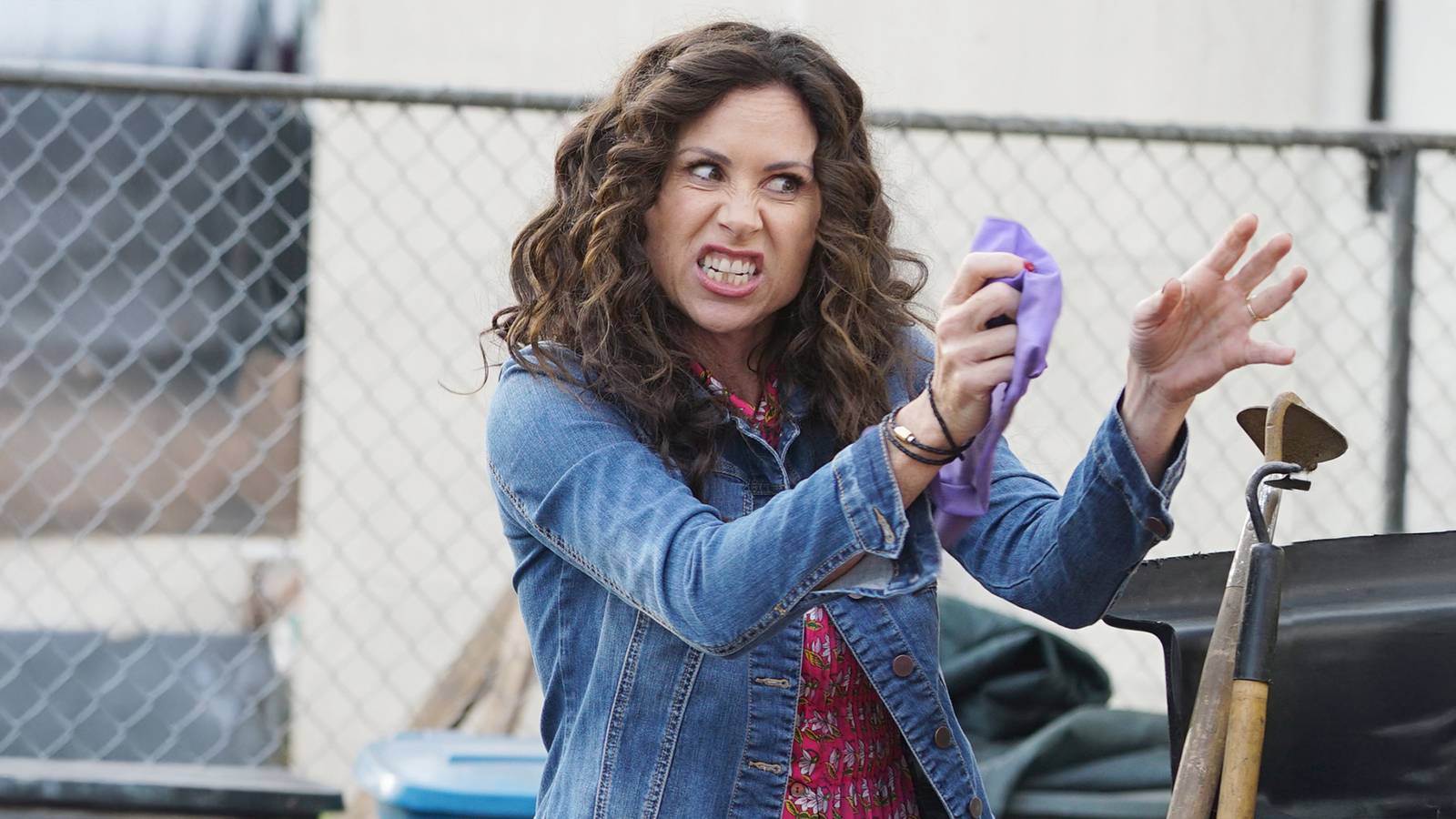
At the center of Speechless is the DiMeo clan: Maya (Minnie Driver), a fiercely protective mother; Jimmy (John Ross Bowie), her laid-back husband; Dylan (Kyla Kennedy), the athletic and mischievous youngest; Ray (Mason Cook), the nerdy middle child; and JJ (Micah Fowler), the eldest, who has cerebral palsy and a razor-sharp wit. JJ communicates using a laser pointer mounted on his headgear to select letters and words on a board attached to his wheelchair. At school, he forms a bond with Kenneth (Cedric Yarbrough), the school's groundskeeper turned full-time aide.
What made JJ revolutionary was not just that he was a main character with a disability, but that he was played by an actor who actually has cerebral palsy. Fowler, who can speak and use a walker for short distances, brought an authenticity that no able-bodied performer could replicate. More importantly, JJ was written as a fully realized teenager—funny, flawed, and emotionally complex—not as a token or a teaching tool.
Laughing Through the Hard Truths
Speechless didn't shy away from the logistical and emotional challenges that families like the DiMeos face. The pilot reveals that the family has moved repeatedly to find a school that can properly accommodate JJ, finally landing at Lafayette High—an upscale school in a wealthy neighborhood. Forced to rent the cheapest, most dilapidated house in the district, the family's situation highlights the extreme sacrifices parents often make for their children's education and care.
The show also explored how disability affects every family member. Maya's relentless advocacy often backfires, as when she cancels a football bonfire because JJ can't navigate the rocky terrain, only to earn his resentment. Her clashes with Kenneth, who pushes for JJ to have a more typical school experience, added nuance. Meanwhile, siblings Dylan and Ray sometimes felt overlooked, a dynamic familiar to fans of other family sitcoms that juggle multiple kids' needs.
Authenticity That Resonates
Creator Scott Silveri drew from personal experience: he grew up with a brother who has cerebral palsy and two younger siblings. That firsthand knowledge infused every episode with genuine emotion and humor. Episodes tackled universal milestones—first dates, parents trying to reconnect—alongside unique dilemmas, like the guilt of enjoying an activity JJ can't participate in. The result was a series that felt both specific and universal, much like other cult comedies that found new life after cancellation.
Despite critical acclaim, Speechless was canceled in 2019 after three seasons. Yet its legacy endures. In a landscape where disabled characters are still rare—and often misrepresented—the DiMeos remain a beacon. The show proved that inclusive storytelling isn't just the right thing to do; it can also be hilarious, moving, and utterly human. A decade later, television still has much to learn from Speechless.