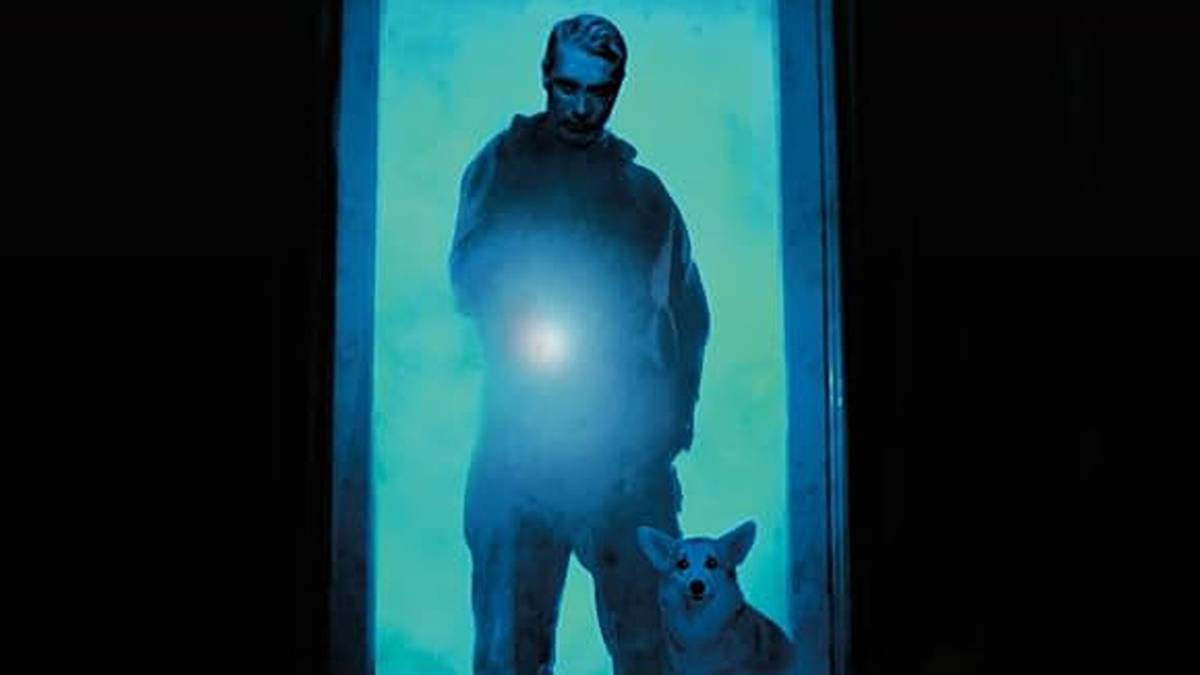
As awards season heats up, one film is generating serious buzz on the festival circuit: La Bola Negra. Directed by the duo known as Los Javis—Javier Ambrossi and Javier Calvo—this ambitious drama examines the lingering scars of the Spanish Civil War through the lens of queer romance. With cameos from Glenn Close and Penélope Cruz, the movie has already become a sensation in Spain, earning the country's official submission for Best International Feature Film at the 2027 Academy Awards. It also snagged a Palme d'Or nomination at Cannes, where the directors took home the Best Director prize. But does it live up to the hype?
Three Eras, One Unbroken Thread
La Bola Negra unfolds as a triptych, each segment set in a different period of Spanish history. The first, in 1932, follows Carlos (Milo Quifes), a man seeking entry into an exclusive Granada club who finds himself blackballed over rumors about his sexuality. The second jumps to 1939, during the Civil War, where Nationalist soldier Sebastián (Álvaro Lafuente Calvo) is assigned to guard a prisoner of war, an actor named Rafael (Miguel Bernardeau). As Rafael shares his life story, the two fall in love. The final chapter, set in 2017, centers on Alberto (Carlos González), a student and former playwright who, after his grandmother's death, uncovers a family secret that ties the stories together.

A Celebration of Hidden Lives
The film's title references the blackballing ritual, a metaphor for the exclusion and repression that queer people have faced for generations. Each protagonist must make impossible choices—risking family, community, or even their lives to live authentically. Yet La Bola Negra is not merely a tragedy. It's a tribute to those who lived in the shadows, whose stories were erased from history books but who quietly paved the way for future generations. The film also honors art as a lifeline, with the unfinished play of the title becoming a relic of a suppressed past. This spirit makes the movie deeply moving, even when its ambitious structure occasionally stumbles.
Ambitious Storytelling, Occasional Stumbles
Any multi-chapter film faces the challenge of making each segment equally compelling and weaving them into a cohesive whole. La Bola Negra largely succeeds, but it sometimes veers into melodrama or narrative excess. The goal—to trace a century of Spanish queer identity—is monumental, and the film occasionally strains under the weight. Still, the journey is filled with memorable moments. Penélope Cruz dazzles in a brief but striking role as an entertainer who introduces Sebastián to queer icons of the past. Visually, the film is breathtaking, with each protagonist finding beauty amid the rubble—sometimes literally. The puzzle pieces click together in ways that may feel a bit forced, but the emotional payoff makes those connections satisfying.
Star Power Meets Breakout Performances
As with many independent films, big names help draw attention. Cruz's cameo is a highlight, while Glenn Close appears in the third story as a historian helping Alberto unravel his family mystery. Both legends leave their mark, but the real stars are the lesser-known leads. Álvaro Lafuente Calvo, known musically as Guitarricadelafuente, delivers the standout performance, capturing the film's exploration of how war crushes innocence and love. His Sebastián is a reluctant soldier who finds love in the worst place at the worst time, and his vulnerability anchors the most compelling segment. Milo Quifes impresses in his first major film role, and Carlos González confidently represents modern queerness searching for its roots.
A Flawed but Passionate Oscar Contender
La Bola Negra may be overstuffed at times, but Los Javis have crafted a sincere and fervent celebration of Spanish queer identity and the wounds left by war. It's a clear frontrunner for several Oscar categories, and the hype is justified. For those interested in the film's journey, Netflix's historic box office milestone with the film is a testament to its impact. As the awards season unfolds, this imperfect but unforgettable saga is one to watch.