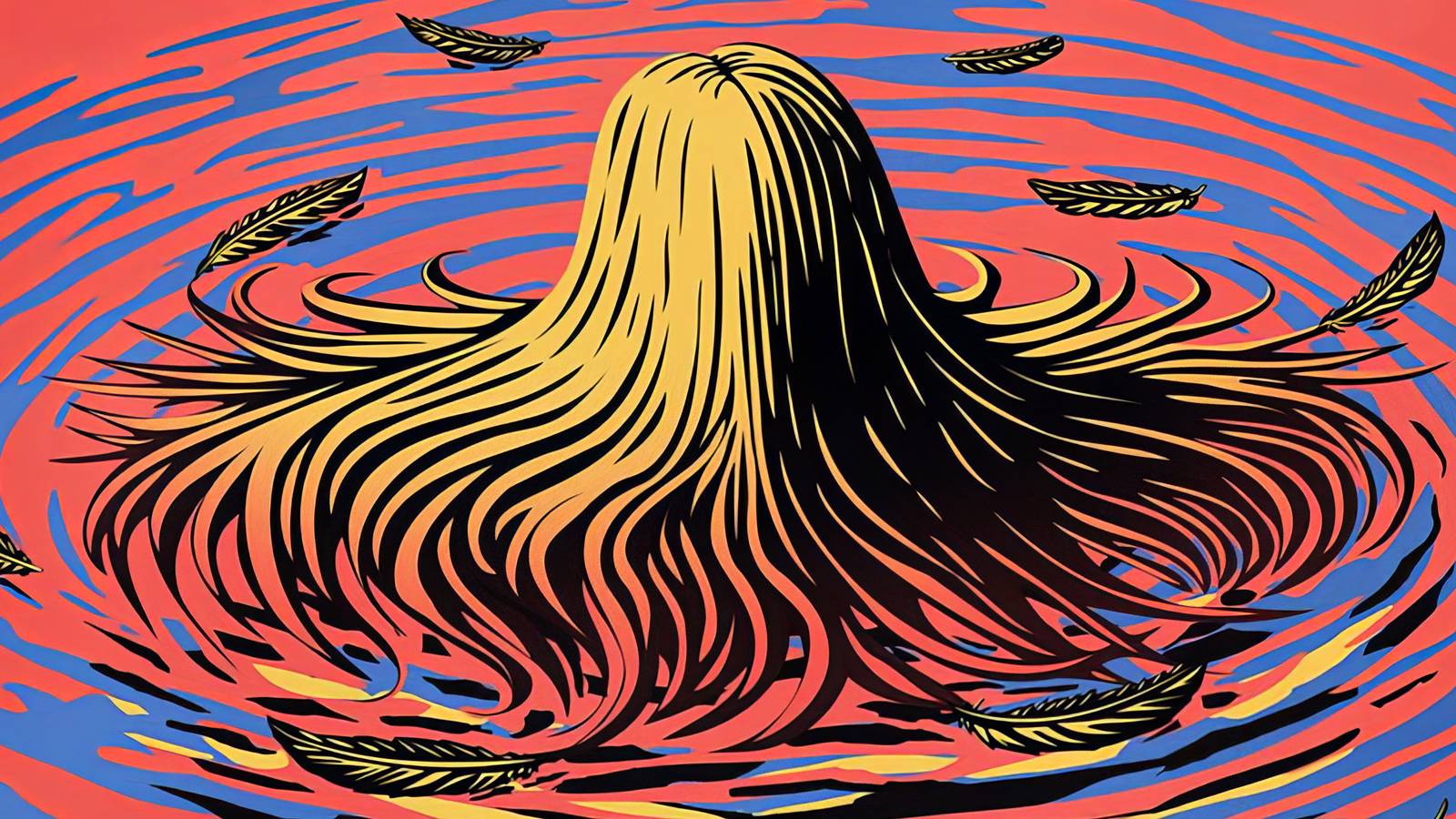
The 2026 National Book Award for Fiction longlist is a treasure trove of literary ambition, featuring everything from a Turkish prison accessed through a bathroom door to a father-daughter reunion stranded at LAX as flights vanish from the departure board. One novel drops you into a Kingston mob scene where eight gay men—one unaware he's living his final moments—rehearse a play. It's a lineup that's not just impressive; it's gloriously weird.
Announced in September after judges sifted through 451 submissions to narrow it down to ten, this year's list mixes a former winner with debut novelists, and leans heavily into surrealism and sprawling narratives. The five finalists will be revealed on October 6, but until then, let's dive into the ranking and see which books truly earned their spot.
10. Red Ants by Kimberly Blaeser
Kimberly Blaeser's prose debut digs deep into Anishinaabe life, but Red Ants goes beyond simple cultural exploration. It's a collection that blends murder mysteries, fancy dog contests, facial-recognition software, and monsters, all delivered through horror, myth, and speculative fiction. The stories repeatedly show everyday reservation life colliding with inexplicable forces, creating sparks of tension and wonder.
The collection doesn't hit shelves until October 20, but early buzz is strong: Booklist gave it a starred review, and the Chicago Review of Books named it one of the year's most anticipated titles. The sheer range of Blaeser's imagination makes this a promising start, even if it lands at the bottom of our list for now.
9. Passengers by Alexander Maksik
Alexander Maksik's Passengers sets up a tantalizing premise: a father convinces his estranged daughter to join him on a trip to Europe, hoping forced proximity will heal their rift. But their flight is delayed, other flights disappear from the board, and security tightens with no explanation. They're stuck at LAX, and the stage seems set for an apocalyptic thriller.
Instead, Maksik turns inward. The novel focuses on the decades of resentment between Ivan and Nina, largely ignoring the chaos outside. It's a moving family saga for some, but others may feel shortchanged by the bait-and-switch. The internal journey is compelling, but the external stakes never materialize, leaving the novel feeling a bit uneven.
8. Paradiso 17 by Hannah Lillith Assadi
Hannah Lillith Assadi's Paradiso 17 is sweeping and heartbreaking, but also frustrating. It follows Sufien from his birth in Palestine just before the Nakba, through forced exile from his blue-doored home, and across Kuwait, Italy, and eventually America. Throughout, Sufien accumulates marriages, affairs, debts, and a talent for self-sabotage that undermines any stability he finds.
The New York Times praised Assadi for refusing to romanticize exile, and the novel also made the Women's Prize longlist. Yet Sufien's selfishness, a sluggish middle, and a looping structure weigh the book down, preventing it from truly soaring.
7. Pretend You're Dead and I Carry You by Julián Delgado Lopera
Julián Delgado Lopera's novel opens with the drowning of Valentina's mother, setting a somber tone. Her father, Ignacio, is emotionally absent, and the two share a cramped Bogotá apartment without connection. Valentina escapes through TV and fragments of family history, until the narrative shifts to Ignacio's adolescence—a time of violence, masculinity, and glimpses of queer life in Bogotá's underground.
The split structure is a double-edged sword. Ignacio's past is electric, especially when exploring Colombia's queer community and the Magdalena River, which becomes a character in itself. But returning to Valentina's story can feel like an interruption, making the novel a bit disjointed for some readers.
6. Mad Eden by Morgan Thomas
Morgan Thomas's Mad Eden boasts one of the strangest structures on the list. Ro, who helps people access gender-affirming care, and their partner Liam become obsessed with an anonymous online serial called "Mad Eden," built from language lifted from an academic paper on autism. When someone secretly records one of Ro's telehealth appointments and the footage lands in an anti-trans newsletter, threats follow, and their safe world begins to crumble.
Thomas weaves emails, social media posts, and chunks of the fantasy serial into the narrative, which can slow the pace. But the emotional core—Ro clinging to love and joy—remains strong, making this a thought-provoking read.
5. The Blue Door by Nadia Owusu
Nadia Owusu's The Blue Door is a haunting exploration of memory and displacement. The novel follows a woman who returns to her childhood home in Ghana after her mother's death, only to find the blue door of her past has been painted over. As she sifts through old photographs and letters, she uncovers family secrets that reshape her understanding of her identity.
Owusu's prose is lyrical and precise, capturing the ache of nostalgia and the impossibility of going home. The novel's quiet power lies in its details—the smell of jasmine, the creak of a stair—that build a world both intimate and universal. It's a slow burn that rewards patience, and it earns its place in the middle of our ranking.
4. The Last Migration by Charlotte McConaghy
Charlotte McConaghy's The Last Migration is a breathtaking blend of climate fiction and personal redemption. Franny Stone is determined to follow the last Arctic terns on their final migration, even as the world's ecosystems collapse. Her journey takes her from Greenland to the Antarctic, and along the way, we learn about her troubled past and the reasons she's so obsessed with these birds.
McConaghy's writing is visceral, making you feel the cold spray of the ocean and the desperation of a species on the brink. The novel is both a gripping adventure and a meditation on loss, and it's no surprise it's been a critical darling. It's a powerful entry that could easily climb higher.
3. The House on the Lagoon by Rosario Ferré
Rosario Ferré's The House on the Lagoon is a sprawling family saga set in Puerto Rico, spanning generations and blending history with myth. The novel centers on Isabel Monfort, who writes a manuscript about her family's past, only to have her husband, Quintín, add his own annotations, creating a dialogue that reveals the fractures in their marriage and their country's history.
Ferré's novel is ambitious, tackling colonialism, slavery, and feminism with a sharp eye. The dual narrative structure is clever, and the prose is rich with sensory detail. It's a dense read, but one that rewards careful attention. This is a serious contender for the prize.
2. The Orchard Keeper by Cormac McCarthy
Yes, you read that right—Cormac McCarthy's debut novel, The Orchard Keeper, originally published in 1965, has been longlisted for the 2026 National Book Award. This is a surprise inclusion, but it's a welcome one. The novel is set in rural Tennessee and follows a group of characters whose lives intersect around a mysterious orchard and a dead body.
McCarthy's signature style—spare, poetic, and brutal—is on full display. The novel explores themes of isolation, violence, and the natural world, and it's a testament to McCarthy's enduring power that a book from six decades ago still resonates. It's a bold choice by the judges, and it's a worthy contender.
1. The Ministry of Time by Kaliane Bradley
Kaliane Bradley's The Ministry of Time is the standout of this longlist. The novel is a time-travel romance with a twist: a British civil servant is tasked with looking after a man from the 19th century who has been pulled into the present as part of a government experiment. The two form an unlikely bond, but as the experiment spirals out of control, they must confront the consequences of altering history.
Bradley's debut is witty, sharp, and deeply human. It's a genre-blending work that's as much a love story as it is a thriller, and it handles its ambitious premise with grace. The characters are vividly drawn, and the prose is both elegant and accessible. It's the kind of book that stays with you long after you've turned the final page, and it's our pick for the top spot.
As the finalists are announced on October 6, it's clear that this year's longlist is one of the most exciting in recent memory. Whether you're drawn to surreal premises or sprawling epics, there's something here for every literary taste. And if you're looking for more reading recommendations, check out our favorite slice-of-life books or our top thriller picks.