Oscar-winning director Steven Soderbergh and acclaimed screenwriter Ed Solomon have teamed up for the new dramatic film The Christophers, but in a revealing new conversation, they pulled back the curtain on a far more outrageous project that never saw the light of day. The duo shared exclusive details about a shelved movie so controversial that it scared off every potential financier in Hollywood, including billionaires looking for a cinematic foothold.
The Project That Broke the Bananas
During a wide-ranging discussion about dream projects, Soderbergh disclosed that just three years ago, he was desperately trying to get a film called Tentpole into production. Described as a "shock comedy" featuring talking monkeys, the director believed it was both extremely provocative and wildly commercial. "I desperately wanted to make this thing," Soderbergh admitted. He assembled a great cast and generated initial excitement, but the moment executives read the script, the doors slammed shut. "They didn't even ask what the budget was," he recalled. "It was like, 'No.'"
The rejection was universal, extending even to private equity firms and wealthy individuals seeking entry into the movie business. One producer was told point-blank, "Nobody will ever pay for this." Soderbergh remains convinced that the film's incendiary nature was its greatest asset, believing a trailer would have dominated the cultural conversation. "I felt that the inherent... controversial aspects of it were part of the fun," he said.
A History of Hollywood 'No's
Solomon related a similar experience from 25 years ago, when he and writing partner Chris Matheson self-funded a recording session for an animated film they passionately believed in. The response was identical: studios deemed it too weird and unmarketable. A family member in finance bluntly asked Solomon, "What is your problem?" Both artists emphasized the importance of not pre-censoring creative ambitions. "You have to try to get those things made," Solomon stated. "Let the other people tell you no."
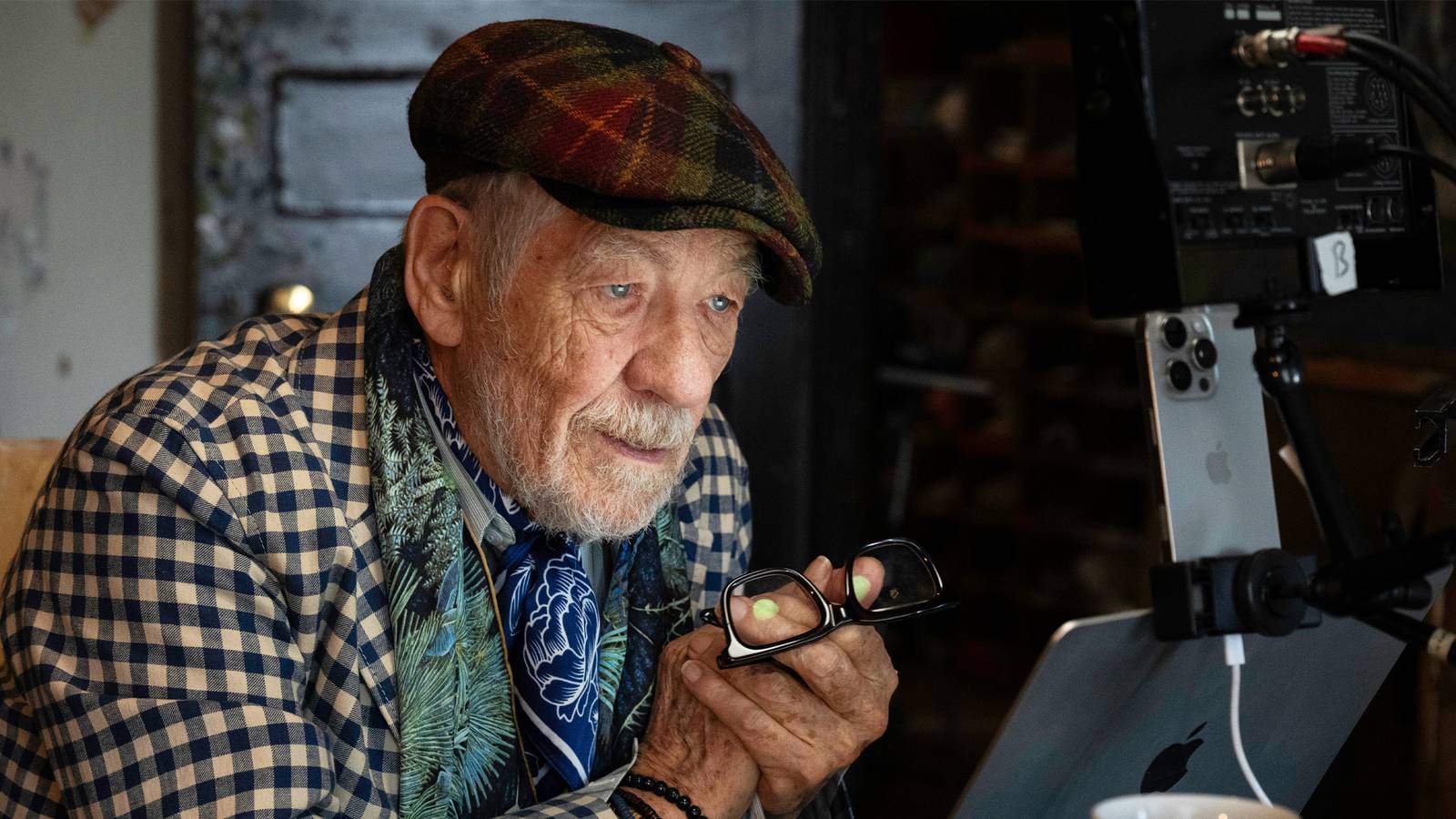
Their current collaboration, The Christophers, represents a more traditional—but no less artistically rigorous—path. The film stars Ian McKellen and Michaela Coel in a story about art, forgery, and familial scheming. Soderbergh, who also served as cinematographer and editor, detailed his meticulous process for establishing the film's "visual grammar." Solomon, the writer behind hits like Men in Black and Bill & Ted's Excellent Adventure, discussed workshopping the script with McKellen, an experience that renewed his approach to writing and steered the film away from "forced sentimentality" toward authenticity.
Soderbergh on AI and the Future of Film
The conversation also turned to the seismic shifts rocking the industry. Soderbergh offered a surprising defense of artificial intelligence as a filmmaking tool, revealing that AI significantly improved his upcoming documentary, John Lennon: The Last Interview. He argued that the industry needs more radical experiments to save the theatrical experience, a sentiment that echoes the risky spirit of his unmade monkey movie. "People want to feel like they're getting something that they don't get at home," he noted, pointing to the need for truly unique cinematic events.
This focus on bold, theatrical draws connects to a larger trend of studios seeking the next big franchise. While Soderbergh chased his provocative primate picture, other filmmakers are reviving classic properties with epic scale, as seen in the exclusive footage from 'Masters of the Universe'. Meanwhile, the streaming landscape continues to evolve with major adaptations, like the upcoming series starring Jean Dujardin as Zorro.
The interview underscores a persistent tension in Hollywood between safe bets and groundbreaking ideas. As Solomon reflected on their rejected projects, he highlighted a fundamental truth for creators: the ideas that challenge the status quo are often the most vital, even if they end up filed away. For every film that changes the industry, there are countless others, like Tentpole, that remain tantalizing 'what-ifs' in the minds of visionary filmmakers.