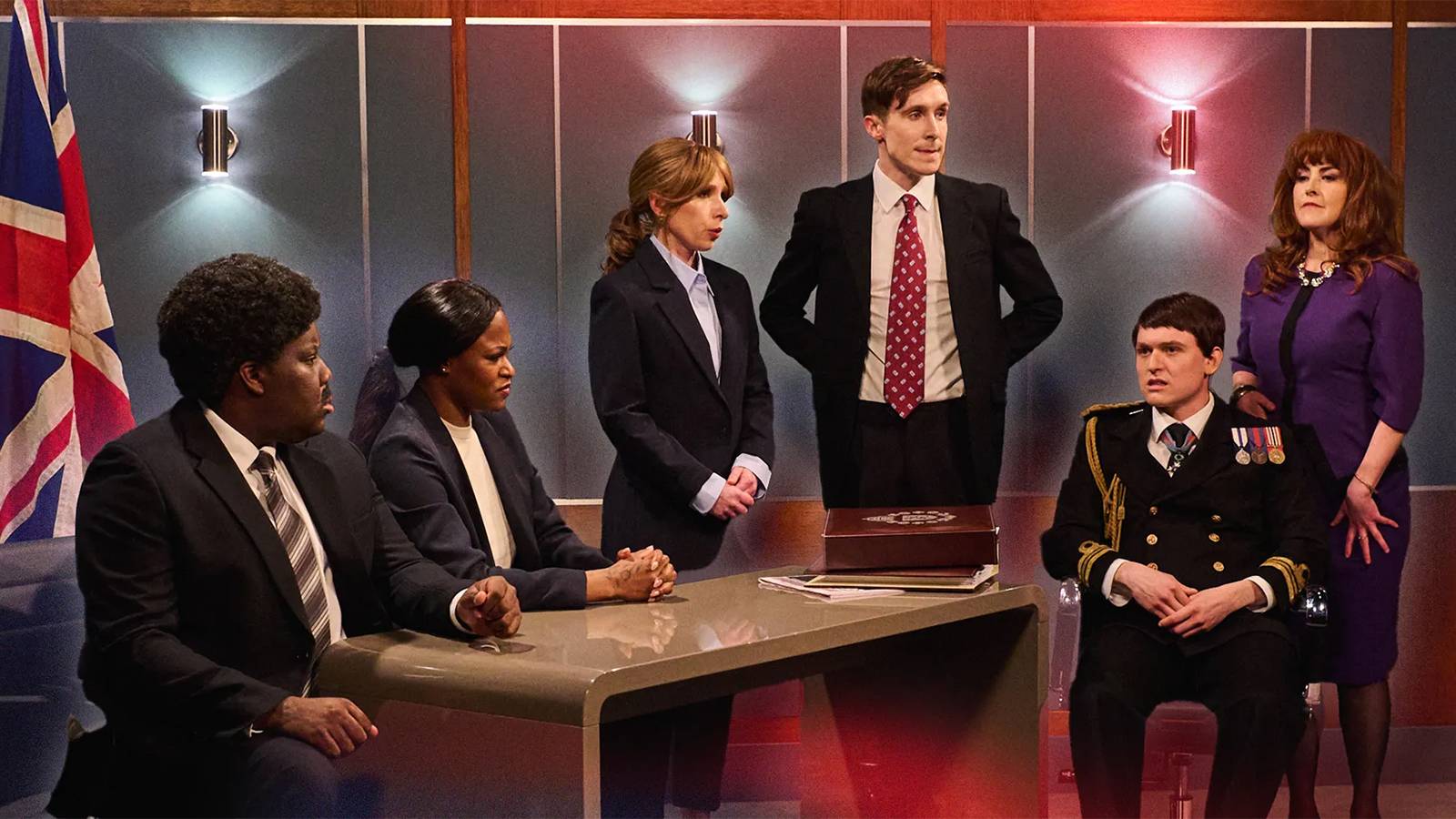
The British adaptation of Saturday Night Live has experienced its first ratings dip, with episode two drawing approximately 205,000 viewers on Sky One. This represents a 9% drop from the premiere's 226,000 audience. While any decline might raise eyebrows among network executives, industry analysts suggest this is not only predictable but potentially a positive sign that SNL UK is following the exact same gradual growth pattern that transformed the American original from a risky experiment into a half-century institution.
The Inevitable Second-Week Slump
Launching any new show, especially one adapting a legendary format, comes with built-in curiosity. Viewers tuned into SNL UK's debut to witness whether American-style live sketch comedy could translate across the Atlantic and to evaluate a fresh cast of performers. Once that initial "event television" buzz fades, a subsequent ratings adjustment is almost guaranteed as audiences revert to their regular viewing habits. The show still captured a respectable 3.2% audience share for a subscription service and outperformed its free-to-air competition in the same late-night slot.

The 10 PM Saturday timeslot itself is a strategic gamble in the UK, where prime-time traditionally caters to family entertainment like Strictly Come Dancing. SNL UK asks viewers to stay up later for a tonally different, live, and unpredictable experience. Its home on Sky also means it starts with a smaller potential audience than free channels. However, the competition it faced was notably lackluster: rival networks offered repeats of old game shows, clip compilations, and standard news broadcasts, presenting a stark contrast to SNL UK's live, contemporary energy.
Echoes of 1975: A Messy Start Can Lead to Greatness
History provides the clearest context for SNL UK's early numbers. When the original Saturday Night Live premiered in 1975, it was far from a ratings juggernaut. The show was chaotic, uneven, and controversial. Early episodes were heavily music-focused, and now-iconic segments like "Weekend Update" were still finding their comedic footing. Network executives were skeptical, and initial viewership was modest.
What those early ratings didn't capture was the show's magnetic pull on a younger demographic—a key audience that traditional television struggled to engage. Through persistence and creative evolution, SNL cultivated a counter-cultural voice and, by the late 1970s, had become essential viewing. It redefined late-night television. This slow-burn trajectory, built on developing cast chemistry and allowing sketches to sometimes fail, is the blueprint SNL UK now appears to be following.
For SNL UK to succeed, the focus must shift from week-to-week ratings to building cultural relevance. The show needs room to breathe, for its cast—including "Weekend Update" anchors Ania Magliano and Paddy Young—to gel, and for audiences to discover which elements resonate. The real metric of success will be whether it can build a loyal audience that returns not out of novelty, but because the show consistently delivers sharp, timely comedy. In an era where many shows are designed for binge-watching, SNL UK's weekly live format is a refreshing throwback, similar to the anticipation built around weekly episodes of hits like 'Euphoria'.
The Road Ahead for Live Comedy
The current UK television landscape, with its reliance on safe panel shows and endless repeats, has created an opening for something daring. SNL UK's slight ratings dip is a natural part of finding its footing. If it continues to offer a vibrant, risk-taking alternative to the scheduled blandness elsewhere, viewers may increasingly switch over. The show's potential lies in becoming a destination for contemporary satire and live-event television in a streaming-dominated world.
Just as other ambitious series have carved out dedicated followings through distinct voices—whether it's the tense espionage of 'The Night Manager' or the dark mythology of 'Nightmares and Daydreams'—SNL UK must define its own unique comedic identity. A 9% drop after a hyped premiere isn't a crisis; it's the first step in a much longer journey. With a format proven over five decades, SNL UK is exactly where it needs to be: at the beginning of its own story.