Just when the industry seemed to be turning a corner, the newly formed Skydance—born from the massive Warner Bros.-Paramount merger—threatens to pull us back into the franchise abyss. The past year offered a glimmer of hope, with original films like Sinners and Obsession dominating the box office and proving that audiences crave fresh stories. But now, with the combined forces of two legacy studios under one corporate umbrella, the pressure to lean on established IP is stronger than ever.
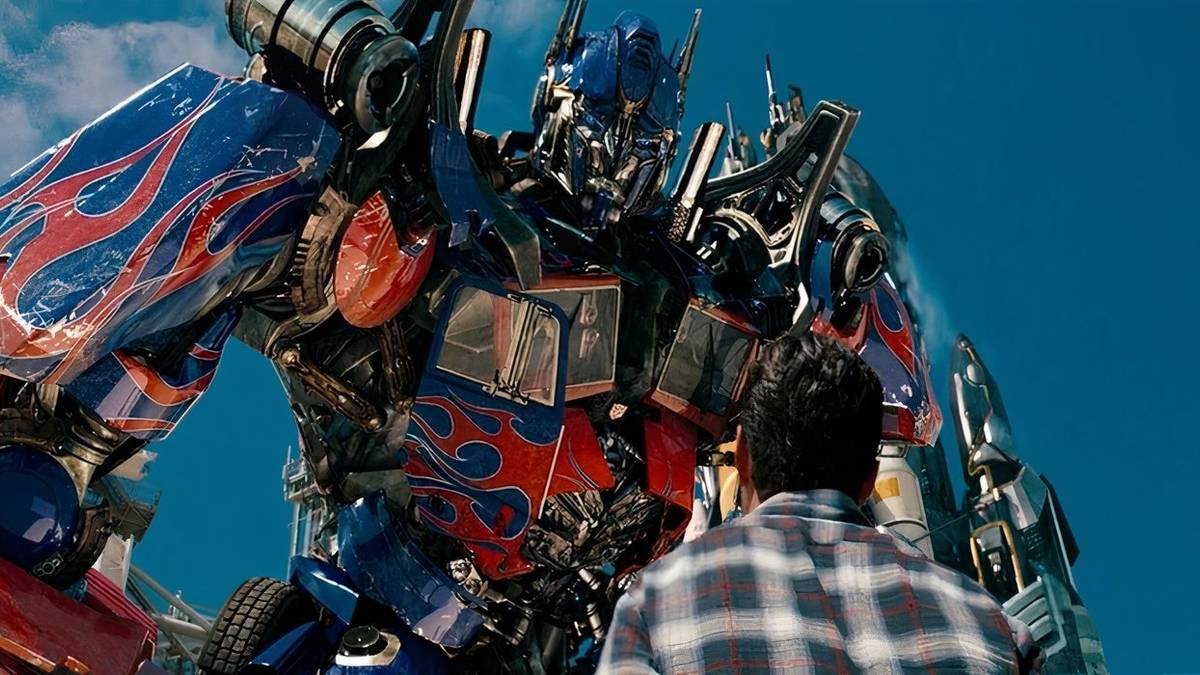
Skydance, led by CEO David Ellison, has inherited a treasure trove of beloved franchises: DC superheroes, Harry Potter, Star Trek, Middle-earth, Barbie, and of course, Transformers. The company has already announced plans to revive the Transformers series with Steven Spielberg and Michael Bay at the helm, signaling a clear preference for safe bets over risky originality.
While Ellison has publicly championed original storytelling, the company's slate tells a different story. With such a vast library of IP, it's hard to imagine Skydance resisting the allure of guaranteed box office returns. The recent success of Minecraft and Backrooms—both based on pre-existing properties—only reinforces the notion that familiarity sells.
The merger also spells the end of an era for Warner Bros.' creative leadership. Michael De Luca and Pamela Abdy, who championed auteur-driven films like One Battle After Another and Weapons, are out. Their departure marks a shift away from the bold, unconventional choices that defined Warner Bros.' final years as an independent studio.
But is the franchise model as foolproof as it once seemed? Recent disappointments like Supergirl, Scream 7, and Masters of the Universe suggest that audiences are growing weary of recycled superheroes and legacy sequels. The box office is no longer a guaranteed win for big-budget IP, as evidenced by the underwhelming performance of Star Wars: Mandalorian and Grogu.
What audiences really want, it seems, is a blend of the familiar and the fresh. Films like Minecraft and Backrooms succeeded by offering a new take on known concepts. This suggests that Skydance's strategy might need to evolve beyond simple nostalgia if it hopes to capture the modern moviegoer's attention.
As the industry watches Skydance's next moves, the hope is that the company will take note of the shifting tides. The success of original films like Sinners and Obsession proves that audiences are hungry for innovation. If Skydance can balance its franchise ambitions with a commitment to fresh storytelling, it might just usher in a new golden age of cinema.
For now, the future remains uncertain. But one thing is clear: the entertainment landscape is at a crossroads, and the decisions made by Skydance in the coming years will shape the industry for decades to come.