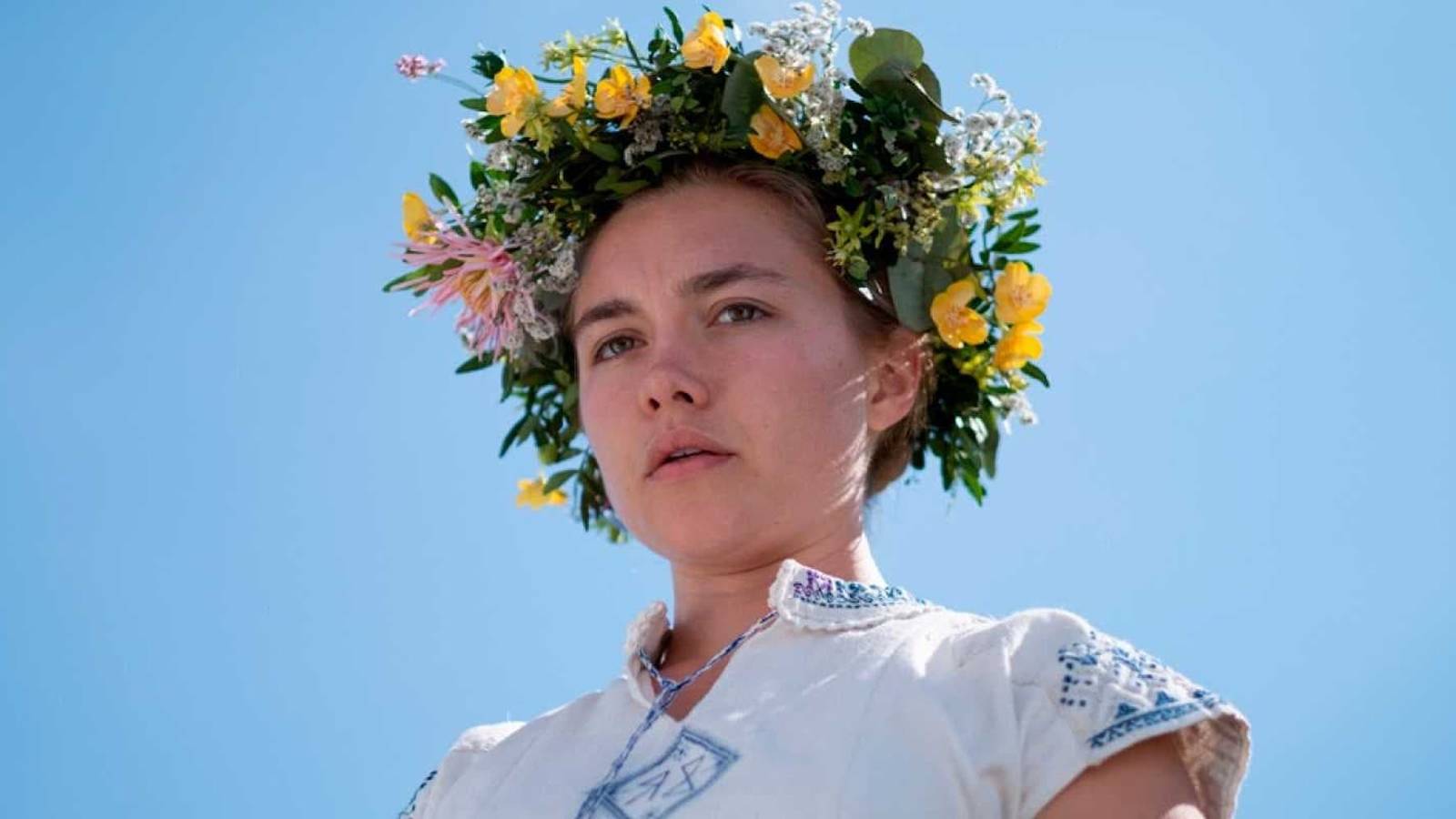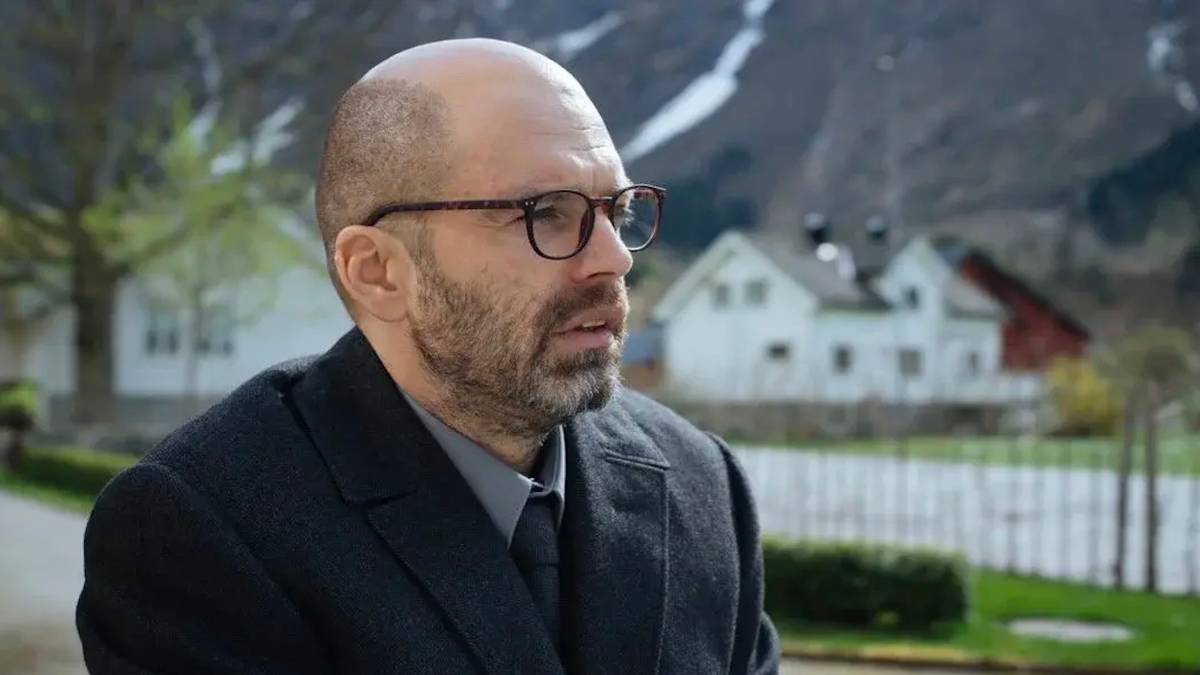
When you picture Norway, you likely imagine stunning fjords, pristine glaciers, and a society that seems to have cracked the code for happiness. Scandinavian culture is often romanticized as a utopia—think Ikea, hygge, and prison resorts. But Cristian Mungiu's Fjord, which premiered at Cannes 2026, digs beneath that glossy surface to expose a darker, more intolerant side. The film centers on a Romanian-Norwegian family whose move to a small town triggers a shocking wave of prejudice.
A New Kind of Extremism
Movies about religious fundamentalism are plentiful, from cult exposés to critiques of organized faith. Mungiu flips the script by showing that extremism can also come from the secular side. Norway, unlike its more Catholic neighbors, is largely non-religious. Hate crime laws protect all beliefs—including non-belief—and religious attire like burqas is banned in schools. This sets the stage for the Gheorghiu family's ordeal.
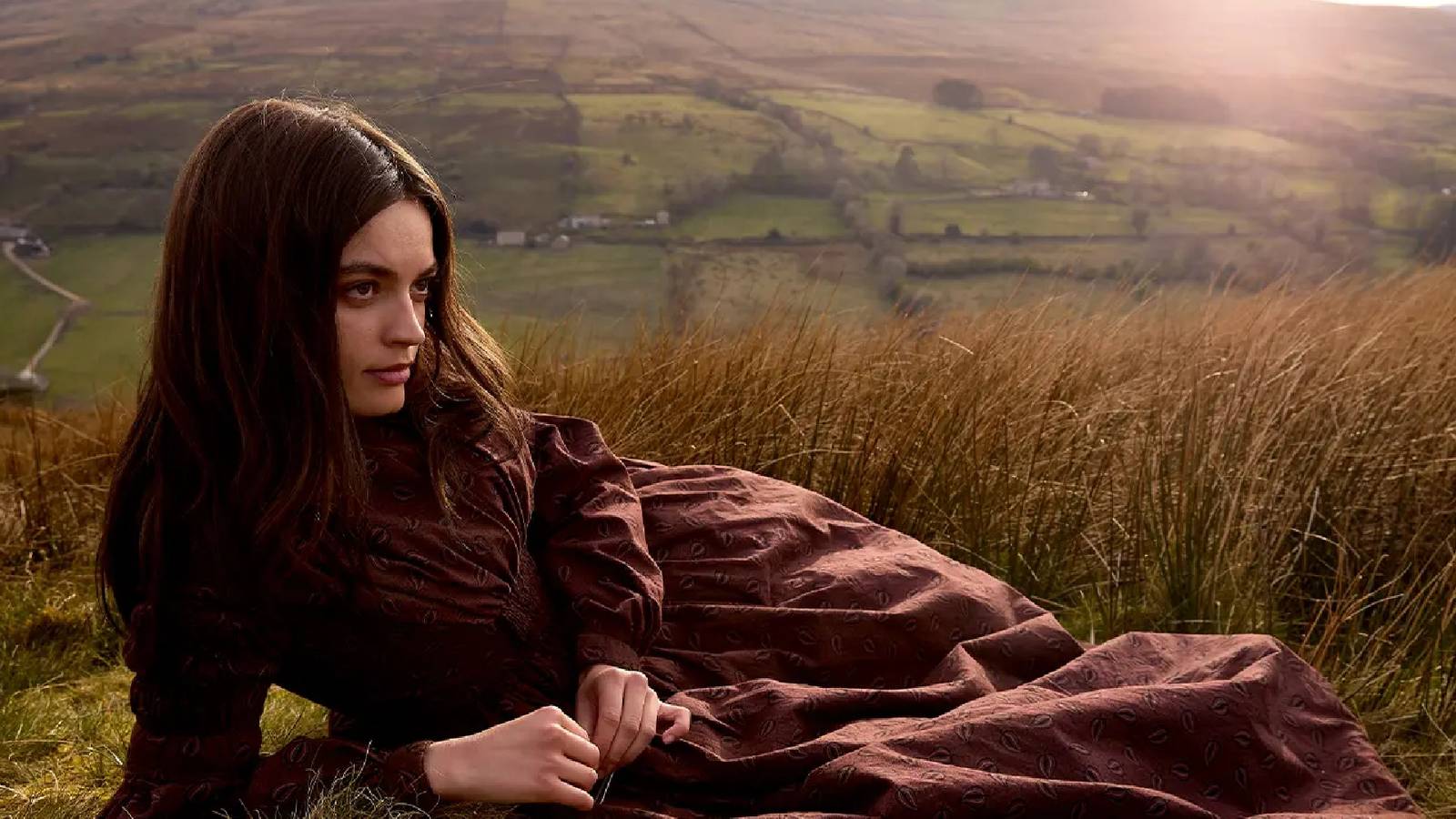
Mihai (Sebastian Stan), a Romanian aeronautical engineer turned IT worker, moves with his wife Lisbet (Renate Reinsve) and their five children to her hometown in the Norwegian mountains. The village is tight-knit, and the family's conservative lifestyle—no cellphones, no video games, no internet, with time spent on Bible study and religious music—immediately marks them as outsiders. Their Romanian heritage adds a layer of xenophobia to the suspicion.
The Witch Hunt Begins
The tension escalates when the Gheorghius' daughter Elia (Vanessa Ceban) arrives at school with a bruise on her neck. Teachers, already biased against the family's faith, assume the worst. Police and child protective services swoop in, refusing to hear the parents' explanation. The resulting legal battle reveals a system determined to punish the family for their beliefs, even when no real harm has been done.
Mungiu draws clear parallels to Anatomy of a Fall, placing a prejudiced system against defendants on trial simply for being themselves. The prosecutor's snide comments and the town's quick judgment highlight the hypocrisy of so-called tolerance. The Gheorghius are not abusive—they play "Amazing Grace" on a public piano and offer prayers for a grieving neighbor—but the system sees them as a threat.
Stan and Reinsve Shine
Sebastian Stan delivers a restrained yet emotional performance, speaking primarily Romanian or English with a Romanian accent. It's a departure from his role in The Batman Part II, where he's set to play Two-Face. Here, he portrays a devout father whose faith borders on zealotry but never crosses into harm. Renate Reinsve, reuniting with Stan since A Different Man, takes a supporting role but shines in scenes opposite him and Lisa Carlehed's Mia, the family's lawyer. The courtroom dynamics crackle with tension as Mia systematically exposes the religious persecution.
At 146 minutes, Fjord occasionally drags, especially in subplots involving Elia's potential romance with neighbor Noora and an elderly father storyline that feels like filler. Tighter editing could have sharpened the focus on the gripping trial. Still, Mungiu's fresh perspective on a familiar theme—religious persecution in a secular society—makes Fjord a thought-provoking watch.