In the world of horror cinema, the first chill often doesn't come from the film itself, but from the marketing that lures you in. A masterful tagline is a tiny masterpiece of dread, a whispered promise of the nightmares to come. It's the genre's unique art form, where a handful of words can build anticipation, define a monster, and become forever etched in pop culture memory. We're counting down the most effective, clever, and downright terrifying taglines that ever graced a poster.
10. "They'll get you in the end." – Ghoulies (1984)
Arriving in the shadow of Gremlins, Ghoulies embraced its B-movie fate with a tagline that perfectly captured its juvenile, campy spirit. The slogan, paired with the infamous poster of a creature emerging from a toilet, promised a no-frills, gross-out good time. It sold the film exactly for what it was: a creature feature that didn't take itself seriously, relying on magic amulets and satanic hijinks for laughs and shrieks. While the film itself is a cult curio, the tagline's playful menace remains a classic of 80s video store nostalgia.
9. "Sleep all night. Party all day. Never grow old. It's fun to be a vampire." – The Lost Boys (1987)
Joel Schumacher's punk-rock vampire flick didn't just update the genre; it rebranded it for a new generation. This tagline, lifted from the film's dialogue, brilliantly reframed vampirism not as a curse, but as the ultimate teenage rebellion—eternal youth, freedom, and cool. It sold the scary, but more importantly, it sold the sexy, aligning perfectly with the film's leather-jacket aesthetic and star-powered cast including Kiefer Sutherland and the Coreys. It promised a horror-comedy where the monsters were the aspirational figures, paving the way for everything from Buffy to Twilight.
8. "Be afraid. Be very afraid." – The Fly (1986)
David Cronenberg's body horror masterpiece delivered a tagline of chilling simplicity. Taken from Geena Davis's line in the film, it functions as a direct command to the audience. This wasn't the campy sci-fi of the 1958 original; this was a warning. The repetition and starkness of "Be very afraid" prepared viewers for a tragic, visceral, and psychologically devastating experience. It perfectly telegraphed the film's blend of groundbreaking, gruesome effects and heartbreaking romance, ensuring audiences knew they were in for terror that would linger long after the credits rolled. For more modern takes on visceral fear, check out our look at Clayface Unleashes Body Horror in First Gruesome DCU CinemaCon Footage.
7. "Who will survive and what will be left of them?" – The Texas Chain Saw Massacre (1974)
With a title that already screamed exploitation, Tobe Hooper's landmark film added a tagline that dialed the dread to eleven. This question-mark slogan did something genius: it made the violence personal and specific. It wasn't just about *if* people would die, but about the grim, degrading *state* in which survivors might emerge. It implied a violation beyond mere death, priming 1974 audiences for an experience of unparalleled grit and terror. The brilliance is that the film's power lies more in atmosphere and implication than explicit gore, making the tagline a perfect, unsettling preview of the fetid nightmare to come.
6. "The night he came home!" – Halloween (1978)
John Carpenter didn't just create an iconic killer with Michael Myers; the marketing created an iconic event. This tagline, with its dramatic italics and exclamation point, transformed a simple act (coming home) into a seismic horror occurrence. "He" is immediately established as a known, feared entity—The Shape, The Boogeyman. It's minimalist storytelling at its best, evoking suburban invasion and inescapable past trauma. The line is so potent it has transcended the film itself, becoming a universal shorthand for the arrival of unstoppable evil. For other masterclasses in establishing fear from the first moment, explore our ranking of horror's most flawless opening scenes.
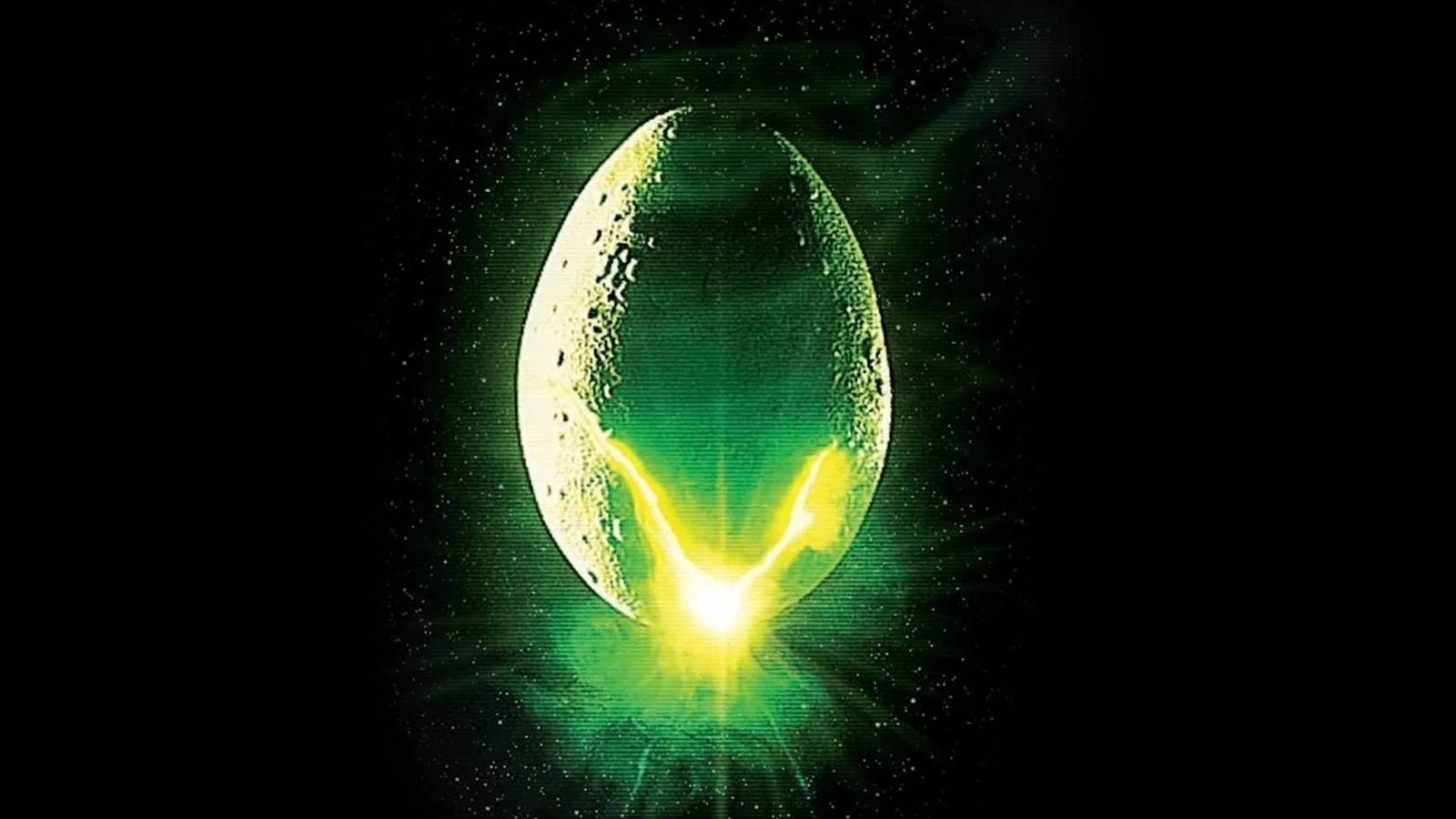
5. "In space, no one can hear you scream." – Alien (1979)
Widely considered one of the greatest taglines of all time, this masterpiece of marketing does three things flawlessly. First, it establishes the terrifyingly isolated setting: the vacuum of space. Second, it promises visceral, helpless terror (screaming). Third, it injects profound existential dread—your suffering will be utterly silent and unnoticed. In nine words, it sells the film's core themes of cosmic horror and vulnerability. It perfectly set the stage for Ridley Scott's haunted-house-in-space, telling audiences they were about to witness something beautiful, intelligent, and utterly, silently horrifying.
4. "Just when you thought it was safe to go back in the water..." – Jaws 2 (1978)
Sequel taglines have a tough job, but this one is a masterclass in leveraging audience memory. It directly recalls the cultural trauma of the first film, instantly reactivating that primal fear of the ocean. The phrase "just when you thought..." is a brilliant psychological hook, implying a false sense of security that's about to be shattered. It admitted the film was retreading familiar territory, but did so with a wink and a renewed promise of aquatic terror, proving that a great tagline could make even a follow-up feel like an inevitable, must-see event.
3. "A word of warning: Don't answer the phone." – When a Stranger Calls (1979)
This tagline works because it turns an utterly mundane, everyday action into a life-or-death proposition. It's an instruction that feels both absurd and intensely urgent, creating immediate, relatable paranoia. By focusing on the simple act of answering the phone, it promised a horror that invaded the safety of the home, a threat that was psychological and intimate before it ever became physical. It sold the film's famous opening act as the entire experience, making audiences dread the ring of a bell long before they entered the theater.
2. "We are going to need a bigger boat." – Jaws (1975)
Rarely has a tagline so perfectly captured a film's blend of terror and character. Taken from Roy Scheider's iconic, understated line, it sells the scale of the threat not with hyperbole, but with dry, overwhelmed professionalism. The terror is in the understatement. It tells you the monster is beyond comprehension, the heroes are in over their heads, and the situation is hopelessly escalating—all with a dash of grim humor. It's a tagline that feels lived-in, immediately giving the film a texture of realism that made the great white shark feel all too real.
1. "One, Two, Freddy's coming for you..." – A Nightmare on Elm Street (1984)
The number one spot goes to a tagline that isn't just a slogan—it's an infection. By using the film's haunting nursery rhyme, Wes Craven's creation burrowed directly into the audience's psyche. It's catchy, childish, and utterly sinister, perfectly embodying Freddy Krueger's modus operandi: invading the innocent world of sleep and childhood. It promised a villain who played games, who followed rules (however twisted), and whose threat was a singsong mantra you couldn't get out of your head. It didn't just market a movie; it created a participatory piece of horror folklore, ensuring that every viewer would think of those numbers at bedtime. For fans of horror that plays by its own unique rules, don't miss our list of under-the-radar films that are secret masterpieces.
These taglines prove that in horror, the first scare is often a literary one. They are the gateway to our fears, proving that sometimes, the most powerful monsters are the ones conjured by a few perfectly chosen words before the film even begins.