Looking for a cinematic experience that delivers pure entertainment from opening credits to final scene? Look no further than HBO Max, where Sam Raimi's complete Spider-Man trilogy awaits your next binge session. These three films didn't just introduce a generation to web-slinging adventure—they fundamentally reshaped Hollywood's approach to comic book adaptations.
The Trilogy That Changed Everything
When the first Spider-Man swung into theaters in 2002, it proved something revolutionary: audiences would flock to see comic book characters treated with genuine respect and emotional depth. The film's massive success—earning over $800 million worldwide and scoring 90% on Rotten Tomatoes—paved the way for the superhero dominance we see today. Unlike the sci-fi spectacles that occasionally break box office records, Raimi's approach created a blueprint that would be followed for decades.
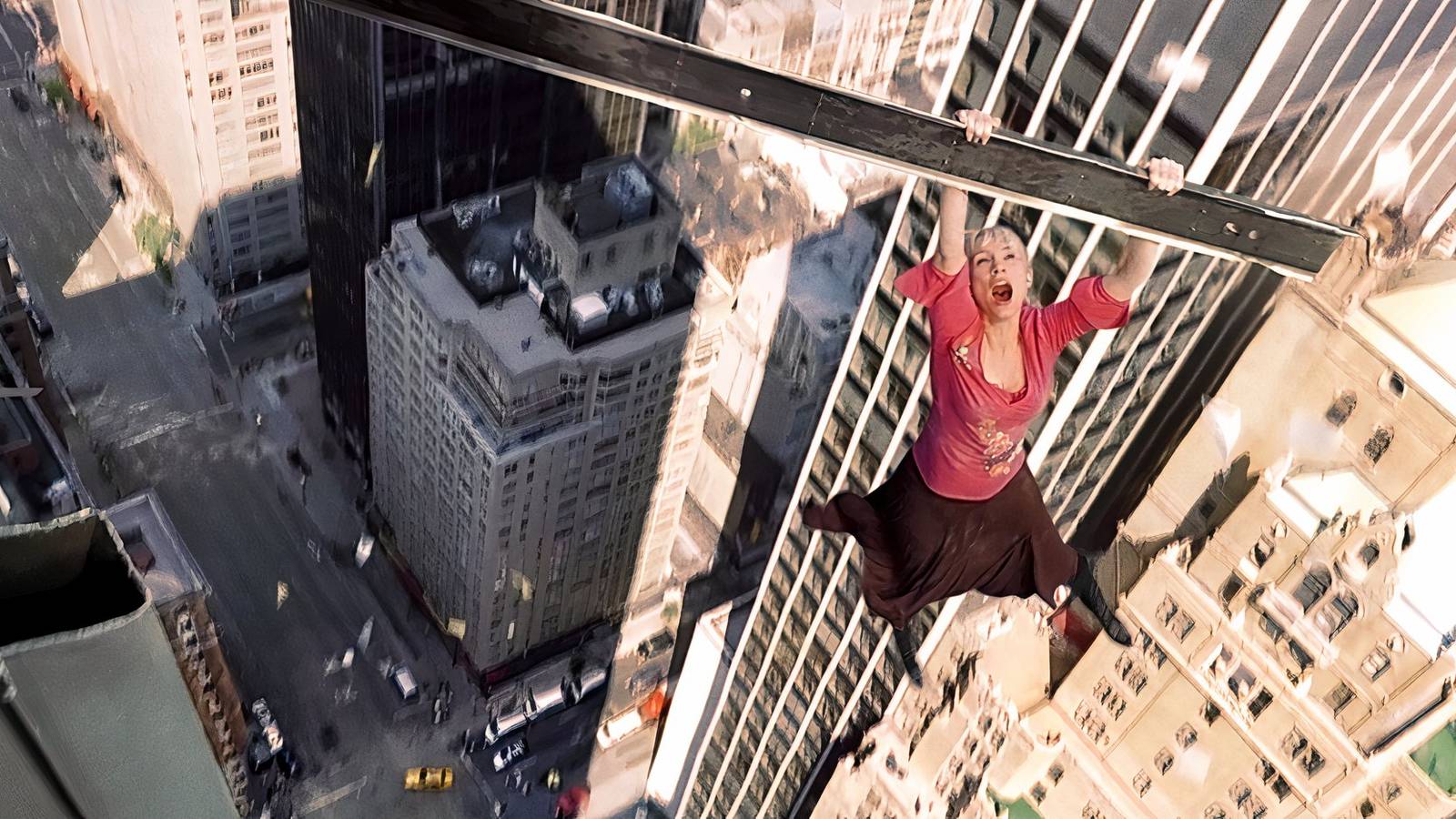
The second installment, Spider-Man 2, is widely considered not just the trilogy's peak but one of the superhero genre's finest achievements. With a 93% critical score, it masterfully balances spectacular action with genuine human drama. The entire trilogy now streams on HBO Max, offering viewers the perfect opportunity to experience these groundbreaking films as a complete narrative journey.
Why Raimi's Vision Still Soars
What makes these films endure when so many superhero movies feel interchangeable? Raimi embraced the source material's classic spirit without embarrassment or excessive irony. Like the best action movie masterpieces, these films understand that genuine emotion and straightforward storytelling create the most satisfying thrills.
The casting remains impeccable decades later. Tobey Maguire captures Peter Parker's endearing awkwardness and moral compass, while Kirsten Dunst brings depth to Mary Jane Watson. The villain roster features legendary performances: Willem Dafoe's unhinged Green Goblin, Alfred Molina's tragic Doctor Octopus, and Thomas Haden Church's sympathetic Sandman. Supporting players like Rosemary Harris's Aunt May and Bruce Campbell's recurring cameos add layers of charm that modern blockbusters often lack.
Reevaluating The Maligned Third Chapter
Here's where many fans might raise an eyebrow: Spider-Man 3 deserves a fresh appraisal. While it doesn't match its predecessor's perfection, the film has been unfairly criticized for two decades. The much-mocked "emo Peter" sequence actually serves the story's purpose—showing what happens when a well-meaning nerd tries to act "cool" and becomes insufferable.
The real issue stems from an overstuffed plot. While Sandman provides emotional continuity with Uncle Ben's death, Venom's introduction—despite Topher Grace's interesting casting—feels like one antagonist too many. Add Harry Osborn's Green Goblin transformation, and the final act struggles to balance multiple threads. Yet even with these flaws, the film delivers spectacular sequences and completes character arcs begun in the first movie.
For those who enjoy superior action and drama, the trilogy offers something increasingly rare: a complete story with a beginning, middle, and end. The fact that Maguire's Spider-Man recently returned in "Spider-Man: No Way Home" only enhances the rewatch value, connecting Raimi's vision to the broader Marvel Cinematic Universe.
Whether you're introducing these films to a new generation or revisiting childhood favorites, Raimi's Spider-Man trilogy represents superhero filmmaking at its most influential and entertaining. All three films are available now on HBO Max—perfect for a weekend marathon that reminds us why we fell in love with superhero stories in the first place.