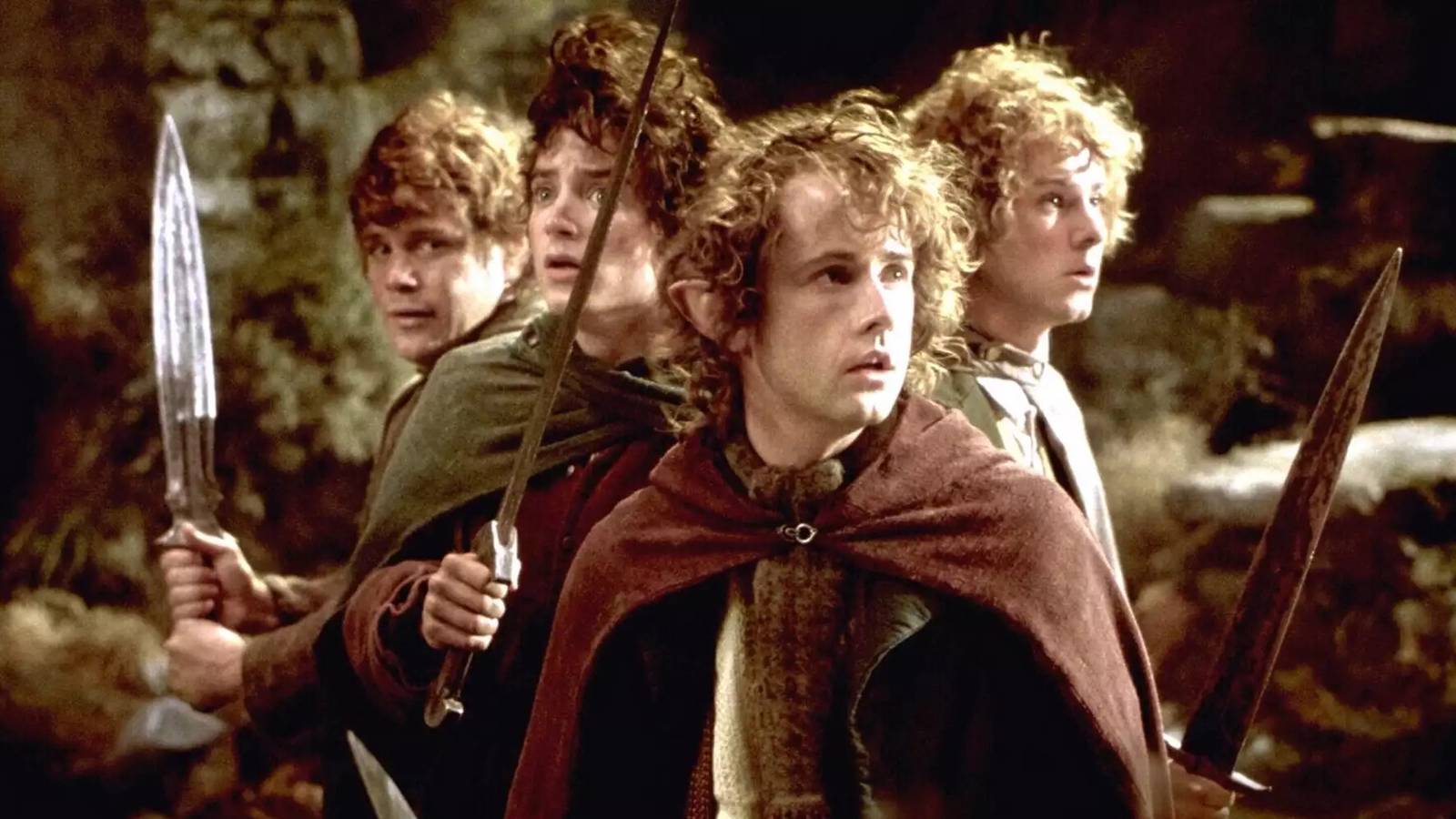
The 2000s were a golden era for cinema, delivering a string of beloved films that have only grown more cherished with time. From the mind-bending romance of Eternal Sunshine of the Spotless Mind to the gritty heroics of The Dark Knight, the decade pushed boundaries and set new standards. Yet, among all these triumphs, few achievements shine as brightly as Peter Jackson's Lord of the Rings trilogy.
Based on J.R.R. Tolkien's epic fantasy, the trilogy stands as one of modern cinema's most stunning successes—a seamless blend of artistry and blockbuster appeal. Over the years, these films have cemented their status as perhaps the greatest fantasy movies ever made. But while all three are revered, their influence on pop culture and filmmaking varies significantly. One towers above the rest, leaving an indelible mark that the others, despite their brilliance, can't quite match.
The Two Towers (2002)
As the middle chapter, The Two Towers often gets overshadowed. It picks up right where The Fellowship of the Ring left off, with Frodo and Sam guided by the treacherous Gollum, while Aragorn and his allies seek refuge in Rohan, where King Théoden lies under a dark spell. Meanwhile, Merry and Pippin find themselves among the Ents, ancient tree-beings reluctant to join the fight.
Being the middle child in a trilogy is a tough gig—you're the bridge, not the destination. That's the fate of The Two Towers, which is frequently ranked third in discussions of the series. Yet it's a vital piece of the saga, introducing the iconic Gollum and delivering the legendary Battle of Helm's Deep, arguably the most spectacular battle sequence ever put on screen. Despite its merits, it received the fewest Oscar nominations of the three, winning just two. Today, it remains the most underappreciated of the trilogy—though even a lesser masterpiece is still a masterpiece.
The Fellowship of the Ring (2001)
The film that started it all, The Fellowship of the Ring, had the monumental task of introducing Middle-earth and its sprawling cast of characters. It begins with Frodo inheriting the One Ring from his uncle Bilbo, setting off a chain of events that draws in Gandalf and a fellowship of warriors, elves, and dwarves, all united to destroy the Ring in the fires of Mount Doom.
This first installment is a masterclass in world-building and character development, elevating fantasy to a level rarely seen before. It proved that the genre could be both critically acclaimed and commercially successful, paving the way for countless adaptations. Ian McKellen's portrayal of Gandalf earned an Oscar nomination, and the film's influence can be seen in everything from twist-heavy blockbusters to joyful cinematic experiences. It's often cited as a blueprint for launching a successful franchise, and its legacy is undeniable.
The Return of the King (2003)
When it comes to legacy, The Return of the King stands alone. The epic conclusion sees Frodo and Sam finally reaching Mordor, while Aragorn rallies the forces of Middle-earth for a final stand against Sauron. The film is a breathtaking spectacle, blending massive battles with deep emotional resonance, and its bittersweet ending lingers long after the credits roll.
At the Oscars, it swept all 11 of its nominations, including Best Picture—a feat that solidified its place in history. Today, it's widely regarded as not just the best of the trilogy, but one of the greatest fantasy films ever made. Its impact on cinema is immeasurable, influencing everything from ambitious biopics to sci-fi adventures. When people talk about the pinnacle of 2000s filmmaking, The Return of the King is often the first title mentioned—and for good reason.
In the end, all three films are essential viewing, but only one can claim the title of the trilogy's most enduring legacy. It's a testament to Jackson's vision and Tolkien's timeless story that we're still debating which is best—and that's a legacy in itself.