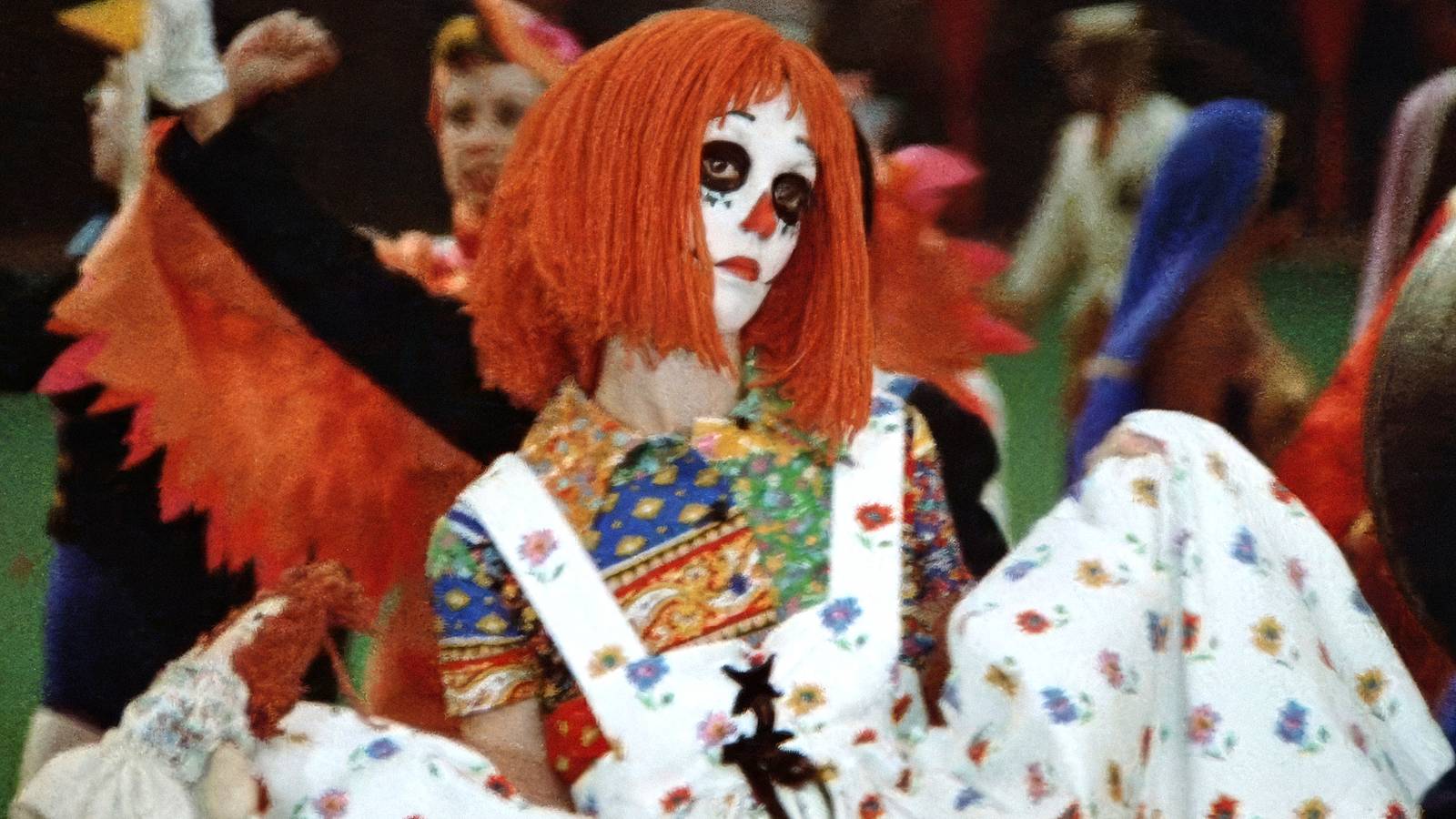
Quentin Tarantino is no stranger to strong opinions. The Pulp Fiction auteur has built a career on them, both behind the camera and in his prolific writing. In his recent book Cinema Speculation, Tarantino takes aim at a film that many consider a cult classic: Robert Altman's Brewster McCloud. He doesn't just dislike it—he calls it "one of the worst movies to ever carry a studio logo."
Released in 1970, the same year as Altman's breakthrough M*A*S*H, Brewster McCloud is a bizarre, genre-defying tale about a reclusive young man living in Houston's Astrodome who builds a pair of wings and attempts to fly. The film stars Bud Cort in the title role, alongside Altman regulars Sally Kellerman, Michael Murphy, and a young Shelley Duvall in her debut. It's a strange brew of farce, fantasy, and social commentary—pure Altman in its refusal to play by the rules.
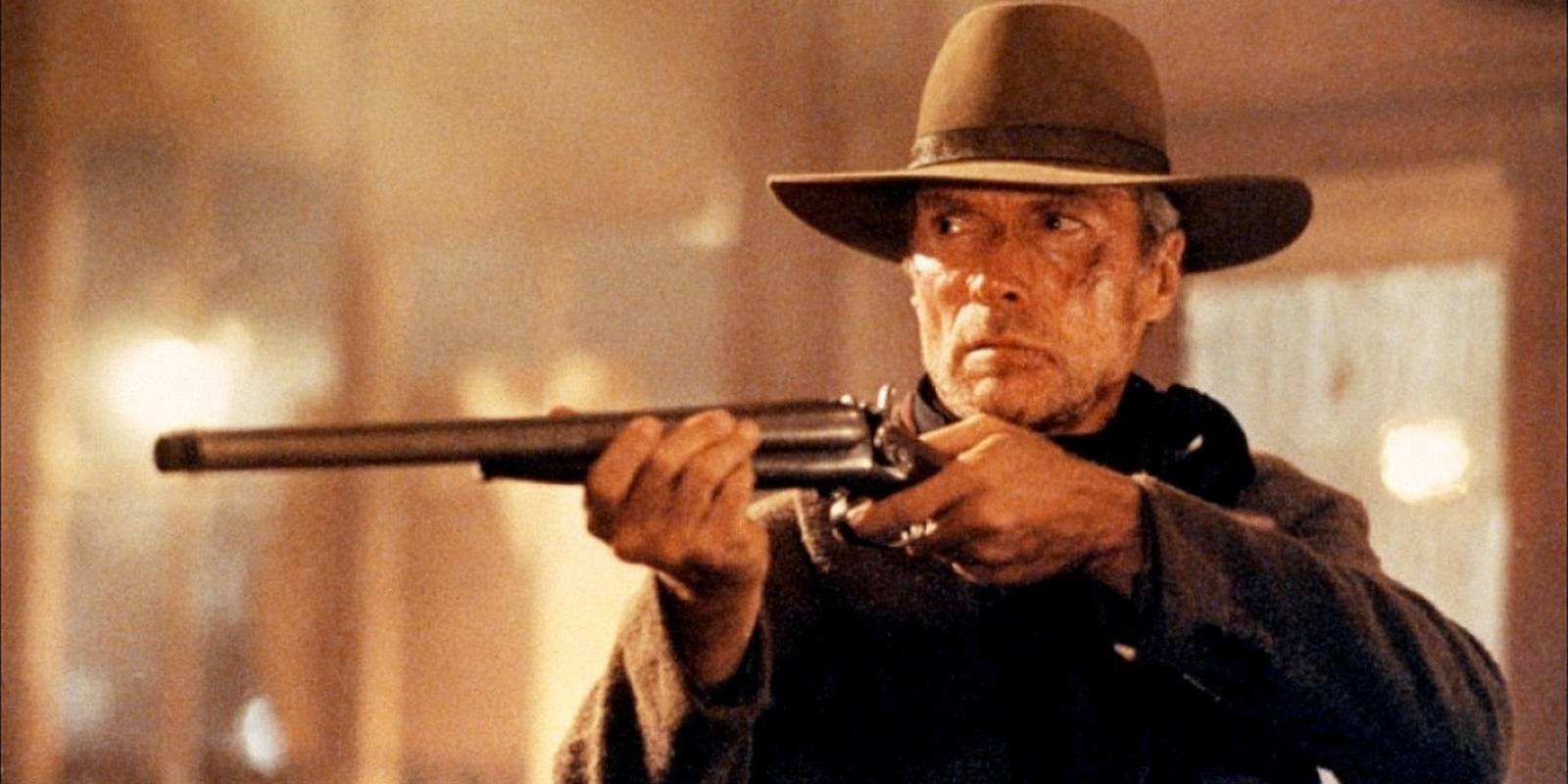
Tarantino, who saw the film as part of a double feature with his family, was not impressed. He wrote that Brewster McCloud was "the cinematic equivalent of a bird shitting on your head." His family, he says, was equally disgusted. For a director who worships the 1970s as a golden age of American cinema, this dismissal is surprising. After all, Altman's iconoclastic style seems like something Tarantino would admire.
But Brewster McCloud is a different beast. It's a film that operates on its own wavelength, blending high-end farce with tender drama and outlandish fantasy. The plot, such as it is, follows Brewster as he becomes the prime suspect in a series of bird killings while trying to achieve his dream of flight. It's a film that defies easy categorization, and that's exactly why it has endured as a cult favorite.
Tarantino's harsh words might stem from a mismatch of expectations. His own films are known for their sardonic wit, hip subversion of genre conventions, and white-knuckle intensity. Brewster McCloud, by contrast, is earnest and meandering, more interested in mood and character than plot. It's a film that demands patience and a willingness to embrace the weird.
Perhaps Tarantino should give it another chance. Like many of Altman's best works, Brewster McCloud rewards repeat viewings. What initially seems like a mess reveals itself as a carefully crafted meditation on freedom, loneliness, and the American dream. It's a film that could only have been made in the early 1970s, when Hollywood was willing to take risks on unconventional visions.
In the end, Tarantino's disdain for Brewster McCloud says as much about him as it does about the film. He's a director who broke all the rules in the 1990s, but even he has his limits. For fans of Altman, however, Brewster McCloud remains a fascinating curio—a bold swing that, even if it doesn't always connect, is never boring. And that's more than can be said for many movies that carry a studio logo.
For more on unconventional cinema, check out our list of 10 Movies That Prove Perfection Starts With the Opening Scene. And if you're in the mood for something completely different, our Weekend Watchlist has you covered.