The 1990s were a wild ride—dial-up internet, slap bracelets, grunge music, and a whole lot of anxiety about technology taking over. That fear sparked some of the most creative and visually stunning science fiction films ever made. These movies asked big questions about identity, reality, and what it means to be human, all while delivering explosions, aliens, and unforgettable one-liners. Let's take a trip back in time and look at the best sci-fi film from every year of the 1990s.
1990: 'Total Recall'
Paul Verhoeven's Total Recall is a relentless, paranoid action-thriller that blends philosophical puzzles with jaw-dropping practical effects. Arnold Schwarzenegger plays Douglas Quaid, a construction worker haunted by dreams of Mars who visits Rekall for a fake memory vacation—only to discover his entire identity might be a lie. The film's ambiguous ending still sparks debates: Is it real or a psychotic break? Based on Philip K. Dick's story, it won the Saturn Award for Best Science Fiction Film and an Oscar for Best Visual Effects. It's a cerebral sci-fi classic that set the tone for the decade.

1991: 'Terminator 2: Judgment Day'
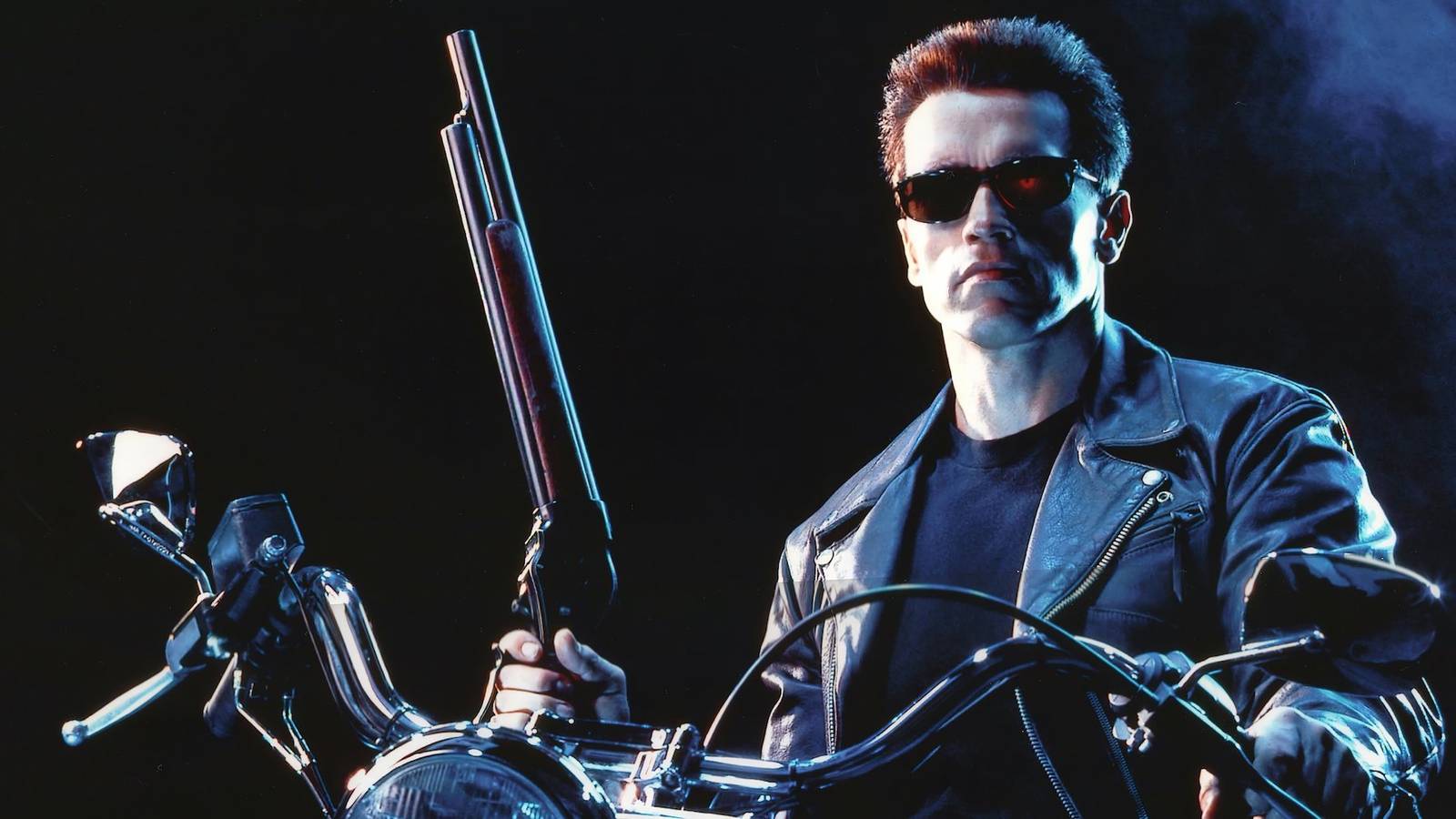
James Cameron raised the bar for blockbusters with Terminator 2: Judgment Day. The groundbreaking CGI brought the shape-shifting T-1000 to life, but the film's heart—a machine learning humanity—elevated it beyond spectacle. Linda Hamilton's Sarah Connor is a hardened warrior, and Arnold Schwarzenegger's reprogrammed T-800 protects young John Connor from a liquid-metal assassin. The film won four Oscars and five Saturn Awards, including Best Science Fiction Film. Fun fact: the T-1000's CGI alone cost about $5 million.
1992: 'Godzilla vs. Mothra'
While Western audiences might have missed it, Godzilla vs. Mothra (also known as Godzilla and Mothra: The Battle for Earth) was a massive hit in Japan. This Heisei-era entry combines environmental themes with kaiju spectacle, pitting the benevolent Mothra against her dark twin Battra, with Godzilla crashing the party. The special effects are ambitious, and the ancient Earth mythology adds a sci-fi twist. It was the highest-grossing Japanese film of 1992 and remains a fan favorite.
1993: 'Jurassic Park'
Steven Spielberg's Jurassic Park changed the game for visual effects and blockbuster storytelling. Using a mix of animatronics and early CGI, it brought dinosaurs to life in a way that felt terrifyingly real. The film asks profound questions about genetic engineering and humanity's hubris, all while delivering heart-pounding action. It won three Oscars and became a cultural phenomenon. For more on Spielberg's sci-fi legacy, check out Why Steven Spielberg's 'War of the Worlds' Is His Most Ambitious Sci-Fi Film.
1994: 'Stargate'
Roland Emmerich's Stargate introduced audiences to a mysterious ancient portal that connects Earth to a distant planet ruled by a god-like alien. Kurt Russell and James Spader lead a team through the gate, uncovering a lost civilization and a rebellion against the false god Ra. The film's blend of mythology, adventure, and sci-fi was a hit, spawning a beloved TV franchise. It's a fun, imaginative ride that still holds up.
1995: '12 Monkeys'
Terry Gilliam's 12 Monkeys is a mind-bending time-travel thriller starring Bruce Willis as a convict sent back to stop a deadly virus. The film is dark, paranoid, and visually striking, with Brad Pitt delivering a memorable performance as a manic activist. It explores themes of madness, fate, and the fragility of reality, earning Pitt an Oscar nomination. It's a haunting sci-fi gem that gets better with each viewing.
1996: 'Independence Day'
Roland Emmerich's Independence Day is the ultimate alien invasion blockbuster. With massive-scale destruction, a charismatic cast (Will Smith, Jeff Goldblum, Bill Pullman), and that iconic speech, it became a global phenomenon. The film won an Oscar for Best Visual Effects and remains a crowd-pleasing classic. It's pure popcorn entertainment with a surprising amount of heart.
1997: 'Gattaca'
Andrew Niccol's Gattaca is a sleek, thought-provoking sci-fi about a future where genetic engineering determines your social status. Ethan Hawke plays a "faith-born" man who assumes a genetically superior identity to pursue his dream of space travel. The film's noir aesthetic and ethical questions about eugenics make it a standout. It's a quiet, intelligent masterpiece that feels more relevant than ever.
1998: 'Dark City'
Alex Proyas's Dark City is a visually stunning noir-sci-fi about a man who wakes up in a city where reality is manipulated by mysterious beings. Rufus Sewell and Kiefer Sutherland star in this twisty, atmospheric thriller that influenced The Matrix. The film's themes of memory and identity are wrapped in gorgeous, shadowy visuals. It's a cult classic that deserves more love.
1999: 'The Matrix'
The Wachowskis' The Matrix changed everything. With its revolutionary "bullet time" effects, cyberpunk aesthetic, and philosophical questions about reality, it became a cultural touchstone. Keanu Reeves plays Neo, a hacker who discovers the world is a simulation created by machines. The film won four Oscars and inspired countless imitators. It's the perfect capstone to a decade of groundbreaking sci-fi. For more on the era's fantasy masterpieces, see 20th Century Fantasy Films That Are Flawless Masterpieces.
The 1990s gave us sci-fi films that pushed boundaries and asked big questions. From the paranoia of Total Recall to the mind-bending reality of The Matrix, these movies remain essential viewing for any fan of the genre.