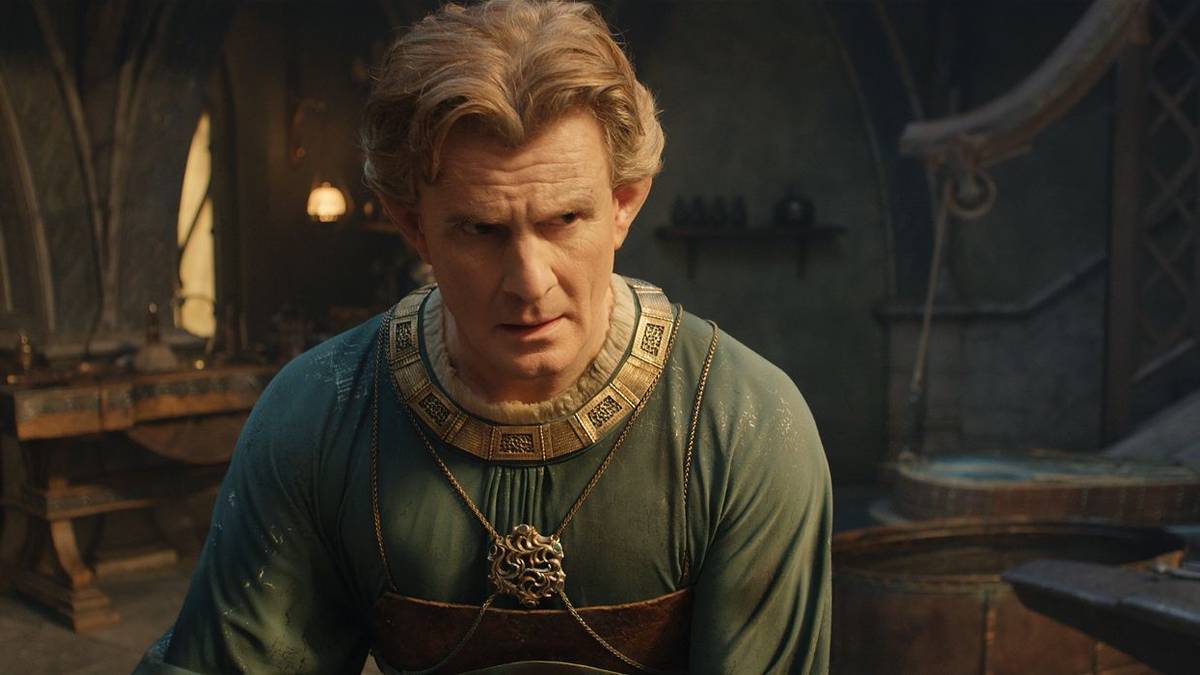
In the high-stakes arena of streaming fantasy, Amazon's The Lord of the Rings: The Rings of Power stands as a monument to ambition and expenditure. Despite facing a wave of criticism and polarized reactions since its debut, the Prime Video series officially remains the single most expensive television show ever produced. This distinction comes with a towering price tag that has viewers and industry insiders alike questioning the return on such a colossal investment.
A Billion-Dollar Bet on Middle-earth
The financial commitment began long before a single frame was shot. Securing the rights to J.R.R. Tolkien's foundational works—specifically The Lord of the Rings novels and their appendices—reportedly cost Amazon a staggering $250 million. This purchase granted access to a sliver of Tolkien's legendarium, setting the stage for a new story set thousands of years before the events of the beloved film trilogy.
From there, the costs only escalated. Bringing the first season's eight episodes to life required an additional $465 million, bringing the total initial outlay to a jaw-dropping $715 million. For context, that sum could fund dozens of standard television seasons. A second season, already aired, added another estimated $458 million to the ledger, pushing the total series investment well past the billion-dollar mark.
Spectacle vs. Substance: The Audience Verdict
While the series boasts impressive visual scale, comparisons to Peter Jackson's Oscar-winning films have been inevitable and often unfavorable. The critical reception has been mixed, with praise for its ambition but frequent criticism of its pacing and character development. The true rift, however, appears with the audience. Fan scores on aggregator sites are notoriously low, and the hardcore Tolkien community has been particularly vocal about the show's creative liberties with the source material.
The most telling metric may be the viewership numbers. Reports indicate a dramatic decline from Season 1 to Season 2, with the sophomore run attracting roughly 50 million viewers compared to the first season's 150 million. This drop-off suggests that initial curiosity gave way to apathy or disappointment for a significant portion of the audience.
Can a Costly Pivot Save the Series?
There are signs of course correction. Many reviewers noted that Season 2 was a marked improvement, focusing on stronger narrative threads and refining its approach. Characters like Elendil and the enigmatic Sauron have garnered fans, and the expansion of the Second Age lore offers moments of genuine intrigue. Yet, the central question persists: are these elements compelling enough to justify history-making budgets?
The challenge is compounded by a crowded fantasy landscape and competing nostalgia. Warner Bros. is developing new Lord of the Rings films that directly revisit the original trilogy era, potentially siphoning off audience interest. Meanwhile, other streaming services have found success with bold, expensive genre shows. For instance, Netflix's 'Castlevania' is often cited as a gold standard for video game adaptations, proving that fan approval and critical success can go hand-in-hand.
Amazon itself has other major hits that command attention and budget. 'The Boys' continues to dominate the charts for Prime Video, demonstrating that the platform can produce globally popular, conversation-driving series. This raises the stakes for The Rings of Power to prove its worth within Amazon's own portfolio.
The Future of TV's Priciest Gamble
With more seasons planned, The Rings of Power is at a crossroads. It possesses the raw materials and financial backing to evolve into the epic it aspires to be. However, it must overcome the significant hurdle of winning back a skeptical audience and defining its own legacy, separate from the shadow of its cinematic predecessors. The journey ahead is as daunting as any in Middle-earth. Whether this billion-dollar saga will be remembered as a triumphant expansion of a beloved world or a cautionary tale about budgetary excess remains to be seen. For fans of the genre, it's a fascinating case study in modern television-making, much like exploring classic '90s fantasy shows that paved the way.