In 1971, Paul McCartney was riding high after The Beatles' breakup, but his second solo album, Ram, faced a storm of criticism. Rolling Stone called it 'inconsequential' and 'irrelevant,' while even his former bandmate John Lennon took aim with a vicious diss track. Yet, decades later, this record has been reclaimed as a misunderstood gem—a bold, playful experiment that foreshadowed McCartney's future with Wings.
From DIY to Grand Ambitions
After The Beatles disbanded in 1970, McCartney retreated to Scotland with his family to decompress. He channeled his emotions into his debut solo album, McCartney, which he recorded entirely alone at home. But for his follow-up, he craved something bigger. He packed up his family and moved to New York City, where he quietly auditioned musicians without revealing it was for a Paul McCartney project. He wanted versatile players who could handle everything from rock to orchestral arrangements—a challenge that would define Ram's eclectic sound.
Critical Backlash and a Feud Ignites
Released in May 1971, Ram was met with near-universal disdain. Rolling Stone's review was particularly brutal, dismissing the chart-topping single 'Uncle Albert/Admiral Halsey' as 'the worst piece of light music Paul has ever done.' Critics questioned whether McCartney could succeed without John Lennon's collaboration, suggesting that 'Lennon held the reins in McCartney's cutsie-pie, florid attempts at pure rock muzak.' This stung, especially since the album's opening track, 'Too Many People,' was a pointed attack on Lennon himself. McCartney sang, 'That was your first mistake, you took your lucky break and broke it in two,' and criticized Lennon and Yoko Ono's activism with the line, 'Too many people preaching practices.'
Lennon fired back with 'How Do You Sleep?', a scathing diss track that mocked McCartney's music as 'muzak to my ears' and claimed his only contribution to The Beatles was 'Yesterday.' The public feud dominated headlines, but Ram still sold well, proving that audiences saw something critics missed.
Hidden Disses and a Personal Touch
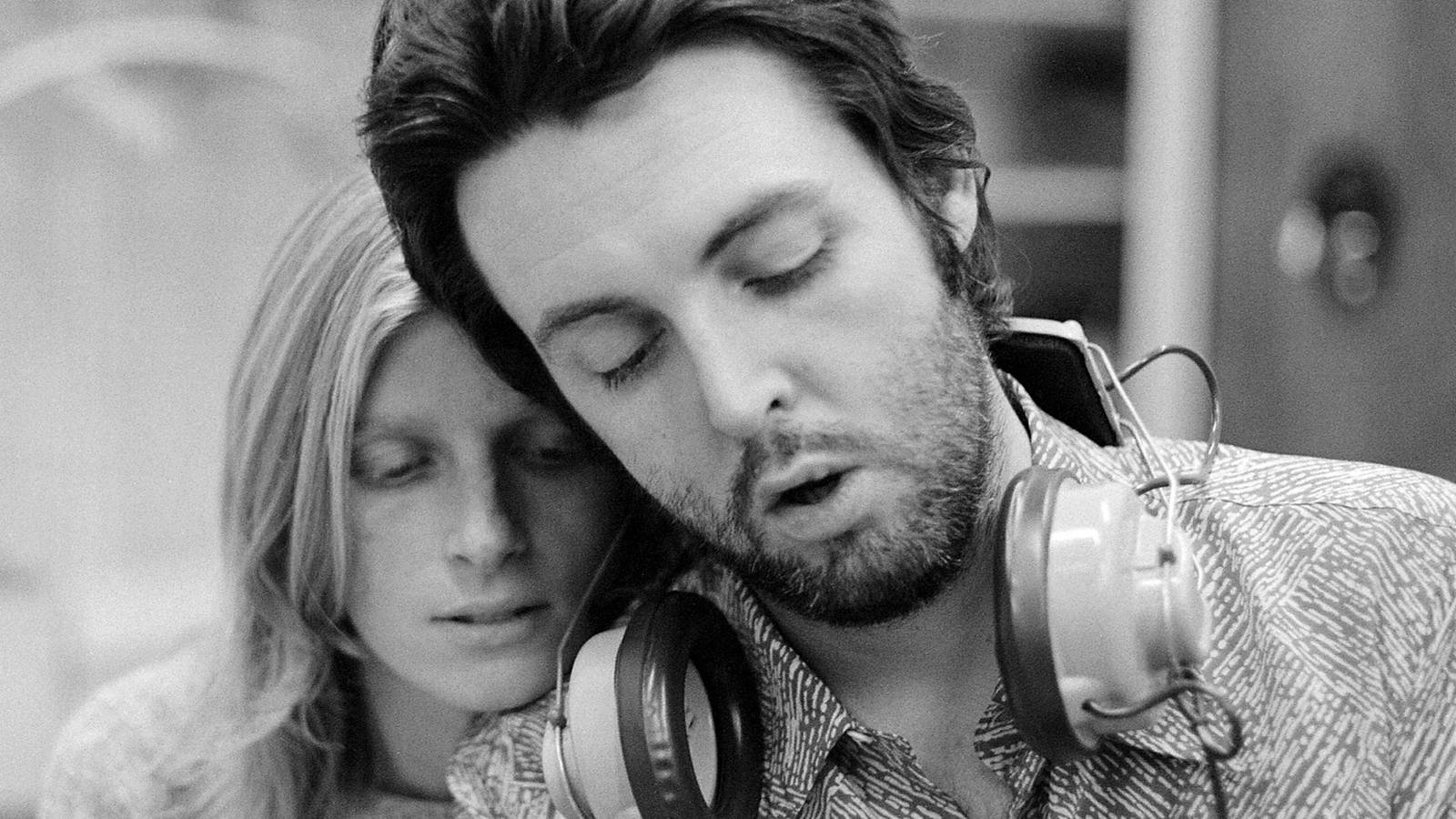
Beyond the Lennon feud, Ram contained another personal jab: 'Dear Boy' was written for Linda McCartney's ex-husband, with McCartney smugly singing, 'I hope you never know, dear boy, how much you missed.' It was a rare moment of pettiness from the usually affable Beatle, but it also showcased his willingness to bare his emotions. The album was credited to both Paul and Linda McCartney—the only time they shared a billing—and Linda's harmonies and photography added a intimate, homegrown feel.
Rediscovery and Legacy
For years, Ram was dismissed as a lightweight misfire. But retrospective reviews have flipped the script. Today, it's praised for its genre-hopping ambition—mixing folk, pop, and orchestral flourishes—and its influence on later artists. Tracks like 'Too Many People' and 'Uncle Albert/Admiral Halsey' are now seen as quintessential McCartney: whimsical, melodic, and unapologetically personal. The album's journey from critical punching bag to fan favorite mirrors the arc of many hidden gems in pop culture, where time softens initial judgments.
In the end, Ram stands as a testament to McCartney's resilience. He weathered the scorn of critics, the mockery of his peers, and a very public feud to create an album that feels more relevant than ever. It's a reminder that sometimes the most misunderstood works are the ones that age the best.