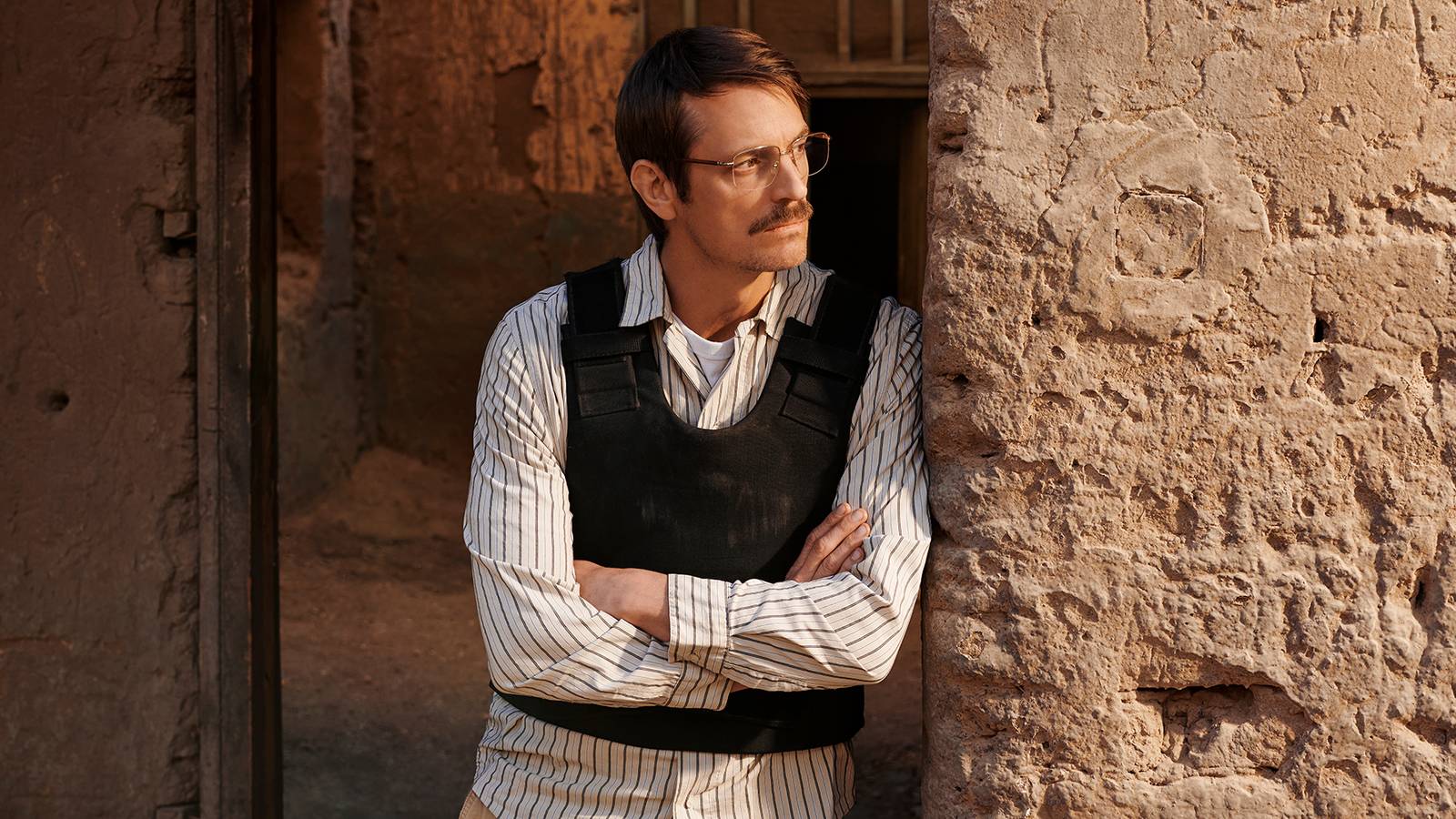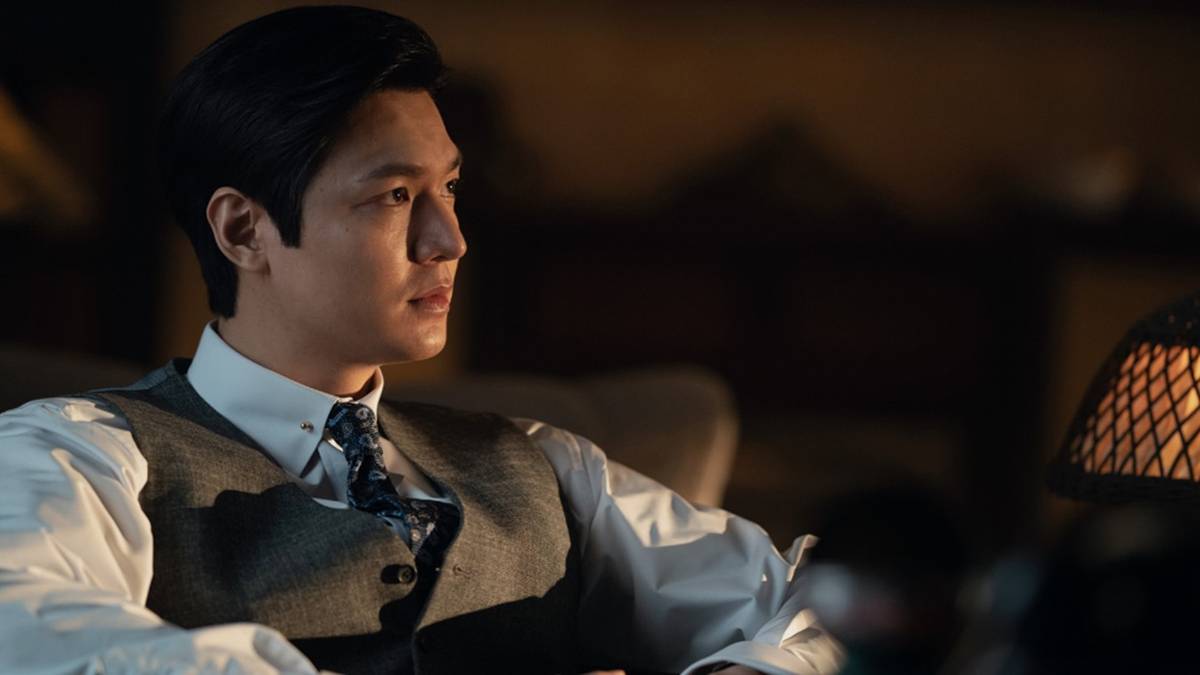
In the crowded landscape of streaming television, some of the most profound stories are the ones that unfold with quiet power. Apple TV+'s Pachinko is precisely that kind of series—a sweeping, multi-generational epic that has cemented its place as one of the platform's most essential and beautifully crafted dramas. Based on Min Jin Lee's acclaimed novel, it transforms a century of history into an intimate, emotionally resonant family portrait.
A Family Saga Spanning Oceans and Eras
The series masterfully navigates two primary timelines. The first begins in 1915 in Busan, where we meet young Sunja, the daughter of a boardinghouse owner. Her life is irrevocably changed by an affair with the enigmatic Hansu, a wealthy man with ties to the Japanese underworld. Facing a pregnancy that brings societal shame, Sunja accepts a marriage proposal from a kind pastor, Isak, and leaves her homeland for a new life in Osaka, Japan.

Decades later, in 1989, the story follows Sunja's grandson, Solomon. A Yale-educated businessman working in New York, he returns to Japan to broker a high-stakes real estate deal, hoping to prove his worth. His journey brings him face-to-face with his family's complex legacy, including his grandmother, the now-elderly Sunja, and his uncle who runs a pachinko parlor—the game of chance that gives the series its name and serves as a metaphor for fate.
The Heart of the Story: The Zainichi Experience
At its core, Pachinko is an exploration of the Zainichi Korean experience. This term refers to ethnic Koreans and their descendants who live in Japan, a community forged during Japan's colonial rule of Korea from 1910 to 1945. The series poignantly depicts the persistent cultural and national ambiguity they face, caught between two worlds. For Sunja in the 1930s, this means living in the impoverished Korean ghetto of Osaka under harsh, discriminatory conditions. For Solomon in the late 80s, it manifests as professional distrust and subtle prejudice, where his loyalty is constantly questioned despite his education and success.
This struggle for identity and belonging connects the timelines, showing that while decades pass, the challenges of heritage and acceptance evolve but rarely disappear entirely. It's a theme that resonates with many time-bending dramas that explore how the past shapes the present.
Resistance Through Perseverance
Pachinko redefines what it means to resist. In Sunja's world, grand political protests often lead to imprisonment. Instead, the series champions a more personal, enduring form of defiance: the daily act of perseverance. Sunja's resistance is choosing survival, making agonizing decisions to secure a better future for her children, and steadfastly refusing to let others dictate her path. Her quiet strength becomes the foundation upon which her grandson builds his life, proving that resilience is a legacy passed down through generations.
This focus on character-driven storytelling over sensationalized history makes Pachinko a standout. While global events like World War II form the backdrop, the heart of the narrative remains the family's emotional journey. It joins the ranks of other drama series that achieve narrative perfection through deep character exploration.
A Streaming Gem Worth Your Time
With its breathtaking cinematography, nuanced performances—including an Oscar-winning turn from Youn Yuh-jung as the older Sunja—and emotionally rich storytelling, Pachinko is a testament to the power of prestige television. It demonstrates Apple TV+'s commitment to high-quality, internationally-focused narratives, much like the platform's success with other hit series that dominate streaming charts.
For viewers seeking a drama that is both epic in scope and intimate in detail, Pachinko delivers. It's a moving, masterfully told story about the bonds of family, the weight of history, and the quiet, formidable courage required to simply endure. In a streaming era full of flashy options, this is the kind of thoughtful, compelling series that reminds us of the medium's profound potential.