In a move that will frustrate budget-conscious cinephiles, Netflix has placed a viewing restriction on a recent high-profile film. The 2024 drama Here, which marked the reunion of Oscar-winning actor Tom Hanks with his Forrest Gump director Robert Zemeckis, is now blocked for subscribers on the streamer's cheaper, ad-supported tier. This policy, which affects titles where Netflix cannot earn ad revenue, makes an already overlooked film even more difficult for a segment of the audience to access.
A High-Concept Reunion That Missed the Mark
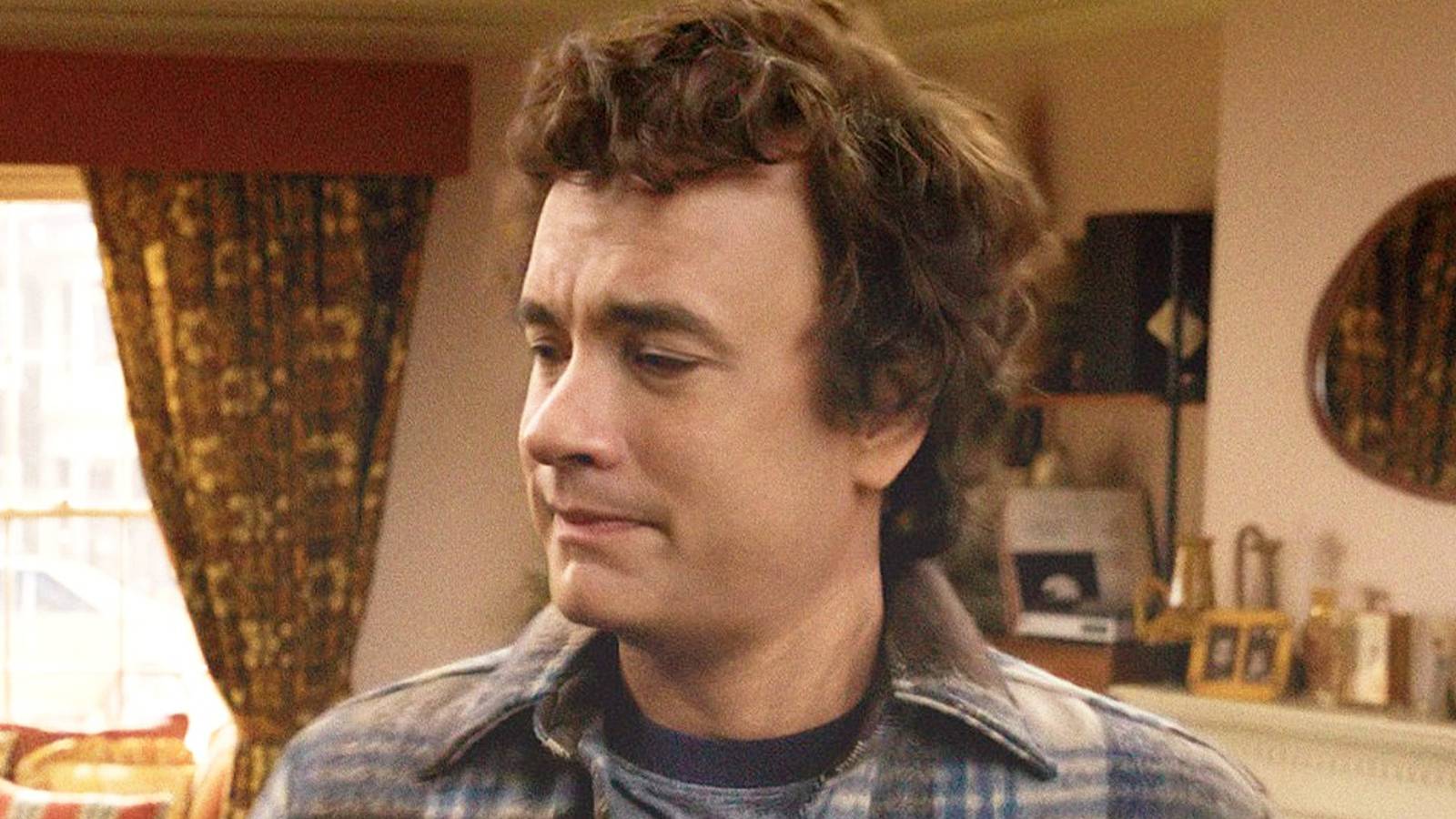
Here was positioned as a major cinematic event, reuniting not just Hanks and Zemeckis, but also key Forrest Gump alumni like screenwriter Eric Roth, cinematographer Don Burgess, and composer Alan Silvestri. Based on a graphic novel, the film starred Hanks and Robin Wright as a couple whose entire relationship unfolds within the four walls of their family living room, captured in a single, static shot. The ambitious project employed extensive digital de-aging and aging effects to portray the characters across decades.

Despite its pedigree and technical ambition, Here landed with a thud upon its 2024 release. Critics were largely unimpressed, with the film earning a dismal 36% score on Rotten Tomatoes. The consensus criticized its "stagey conceit" and noted that the heavy reliance on visual spectacle ultimately robbed the intimate story of its emotional power. Audiences stayed away, resulting in a global box office haul of just $16 million against a reported $50 million budget.
Zemeckis's Quest for Innovation
The film's failure continued a challenging streak for director Robert Zemeckis. Once the visionary behind era-defining hits like Back to the Future and, of course, Forrest Gump, Zemeckis has spent much of the last two decades pursuing cutting-edge visual effects, sometimes at the expense of broad appeal. His fascination with performance capture technology produced films like The Polar Express, but later efforts like Welcome to Marwen and the remake of Pinocchio failed to connect.
Here was very much in the vein of Welcome to Marwen, attempting to tell a deeply human story through a lens of radical technical experimentation. Prior to these, his last traditional live-action film was the 2016 WWII thriller Allied with Brad Pitt, which also underperformed. This pattern shows a director relentlessly pushing boundaries, with commercial success proving elusive in recent years.
Netflix's Tiered Access Strategy
The restriction on Here is not an isolated incident for Netflix. The streamer has implemented similar blocks on other titles for its ad-tier subscribers, a practice tied to licensing agreements that prevent ad revenue generation on certain films. For instance, Netflix also blocked Russell Crowe's acclaimed WWII drama 'Nuremberg' for the same tier of users. This creates a two-tiered access system on the platform, where a subscriber's plan directly dictates their available library.
This news may push fans of classic cinema to seek out other enduring titles before they potentially leave the service. For example, fans of epic filmmaking might want to catch Kyle MacLachlan's cult classic 'Dune' (1984) before its scheduled departure. Meanwhile, subscribers looking for guaranteed entertainment can explore our list of Netflix series that deliver perfection from pilot to finale.
The Legacy of a Forgotten Film
For Tom Hanks, Here stands as a rare misfire in a career defined by beloved characters. The film's quick fade from public memory, now compounded by access limitations on a major streaming platform, secures its place as a curious footnote. It represents an expensive, well-intentioned experiment that, despite reuniting one of Hollywood's most successful actor-director pairs, could not translate technical ambition into critical or popular success.
The situation with Here highlights the evolving complexities of the streaming landscape, where a film's availability is increasingly governed by business models as much as artistic merit. For ad-tier subscribers hoping to judge Zemeckis's latest for themselves, this forgotten 2024 drama has just become part of the content they can't see.