Edgar Allan Poe's works have inspired countless adaptations, but few dare to go beyond the source material. Netflix's The Fall of the House of Usher, created by horror maestro Mike Flanagan, does exactly that—transforming Poe's classic short story into an eight-episode thriller that weaves together many of his most famous tales. The result is a near-perfect blend of gothic horror and modern storytelling that has captivated audiences since its release.
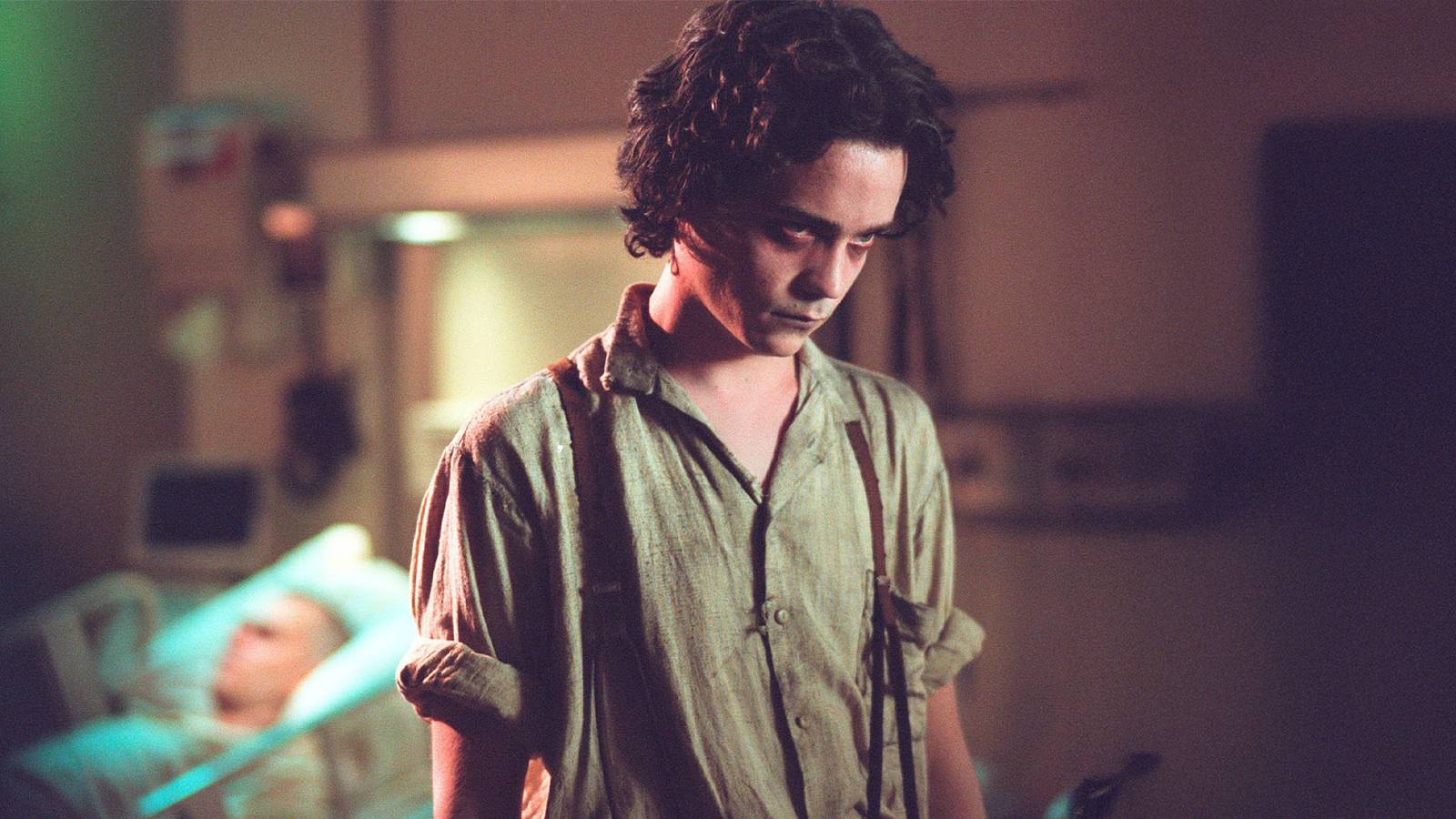
Flanagan, known for his emotionally resonant horror like The Haunting of Hill House and Midnight Mass, brings his signature style to Poe's world. The series centers on Roderick Usher (played by Bruce Greenwood in the present and Zach Gilford in flashbacks) and his twin sister Madeline (Mary McDonnell and Willa Fitzgerald), who built a pharmaceutical empire. But when Roderick's six children die mysteriously within two weeks, he confesses his family's dark history to an old friend, C. August Dupin (Carl Lumbly).

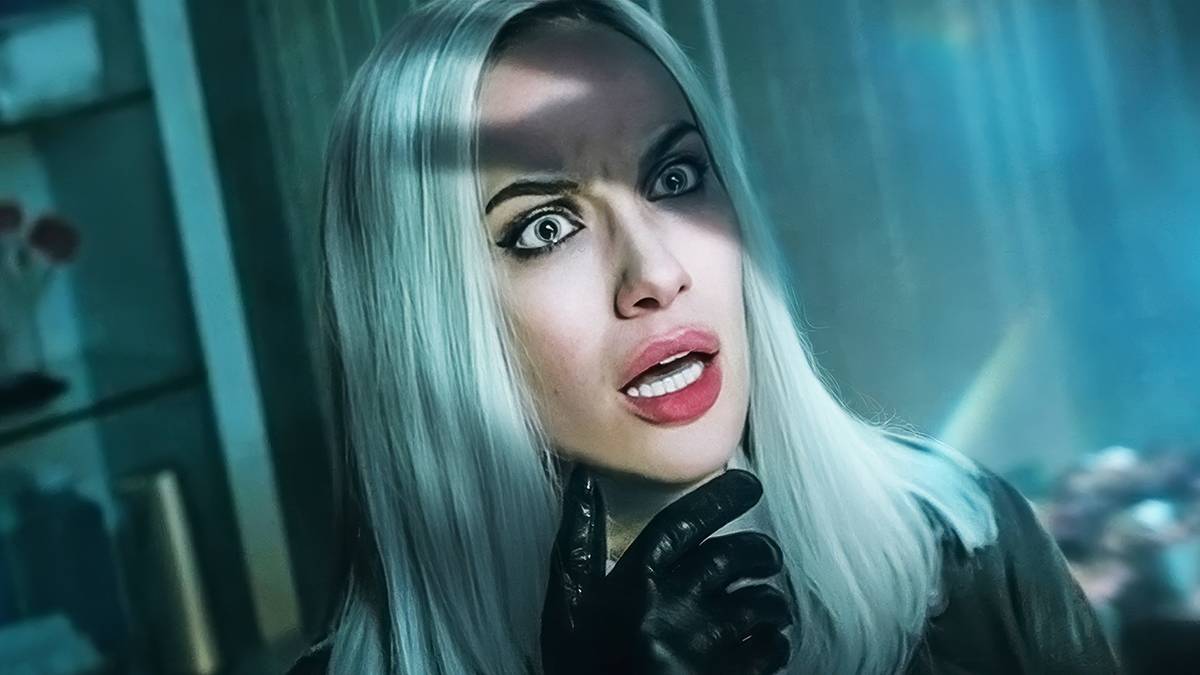
What sets this adaptation apart is its ambitious scope. Each of Roderick's children embodies a different Poe story—from their names to their fates—creating a tapestry of references that fans will delight in spotting. Supporting characters like the family lawyer Arthur Gordon Pym (Mark Hamill) and the enigmatic Verna (Carla Gugino) are also drawn from Poe's works, with Verna's connection to The Raven adding layers of meaning to her role as the family's tormentor.
Flanagan's approach makes the series feel both timeless and contemporary. By setting the story in the modern world, he updates Poe's themes of madness, mortality, and guilt for today's audience. The show doesn't just adapt Poe; it pays homage to him, much like how Mayfair Witches reimagines Anne Rice's gothic universe. Flanagan's knack for balancing gruesome deaths with tender, philosophical moments is on full display, making the horror feel earned and the drama deeply human.
The series also serves as a perfect entry point for newcomers to Poe. Instead of tackling his dense 19th-century prose, viewers can experience his stories through Flanagan's accessible, modern lens. This is a boon for those who might find Poe intimidating, as the show distills his themes into compelling, binge-worthy television. For fans of Flanagan's previous work, the series is a reunion of sorts, featuring frequent collaborators like Kate Siegel, Rahul Kohli, and Henry Thomas, who deliver standout performances.
Mark Hamill, best known as Luke Skywalker, is virtually unrecognizable as the cold, calculating Pym, a role that showcases his range. Flanagan's ability to cast against type is one of his strengths, and it pays off here. The series also benefits from its pacing, with each episode focusing on one child's demise, allowing for deep dives into their personalities and the sins that lead to their downfall.
While the show is undeniably dark, it's not without hope—a hallmark of Flanagan's work. The final episodes offer a contemplative look at legacy, redemption, and the choices we make. It's this emotional depth that elevates The Fall of the House of Usher beyond a simple horror story, making it a profound meditation on the human condition.
For those who've already binged the series, it's worth revisiting to catch all the Poe references you might have missed. And if you're new to Flanagan's oeuvre, this is a great starting point. As Netflix continues to dominate the streaming landscape with hits like Harlan Coben's 'I Will Find You', Flanagan's unique voice stands out as a beacon of quality horror. Whether you're a Poe scholar or a casual viewer, The Fall of the House of Usher is a must-watch that proves adaptations can be both faithful and innovative.