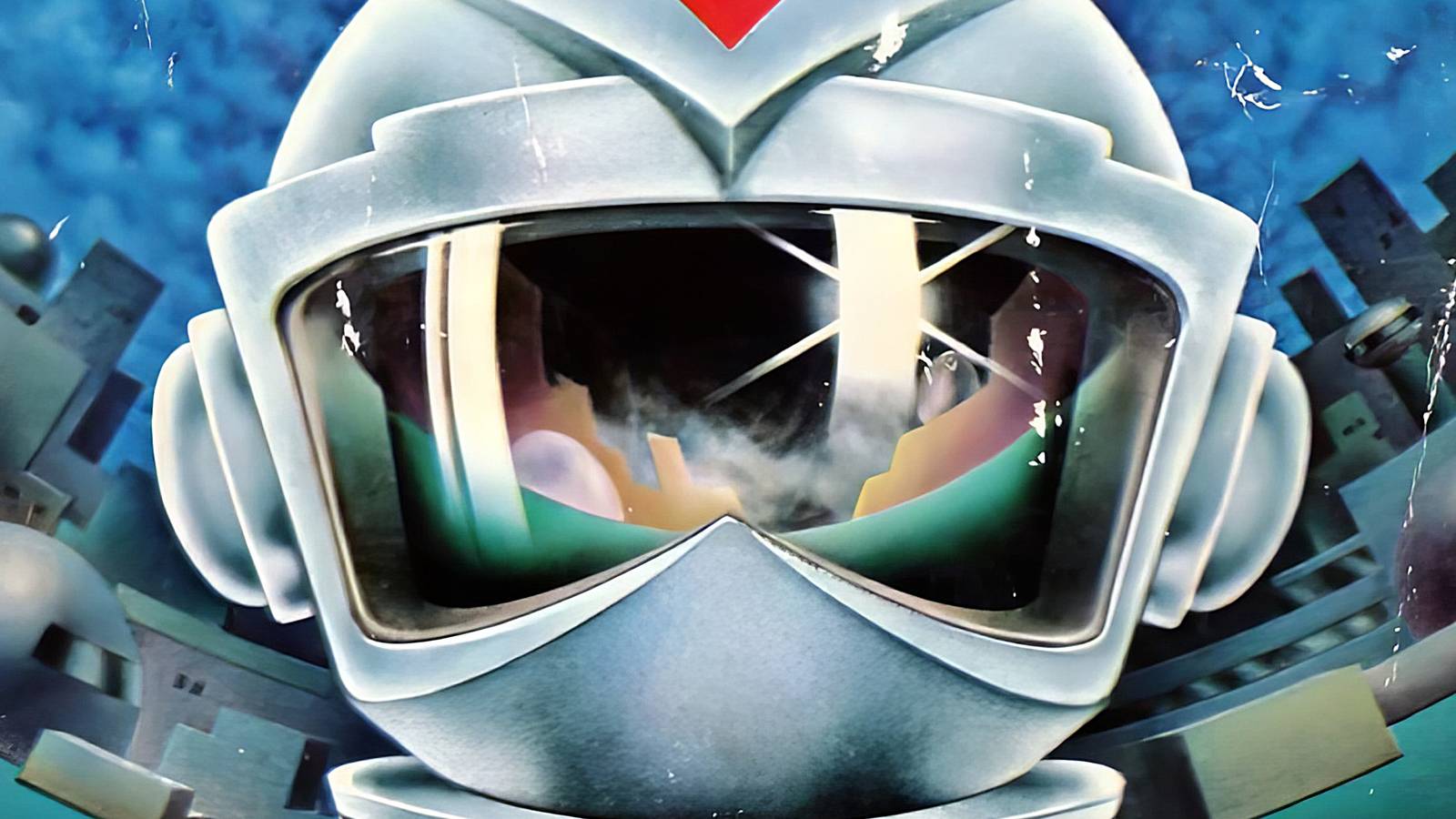
Hard science fiction is a subgenre that prides itself on scientific accuracy. These stories aim to be at least theoretically plausible, grounded in real-world physics and genuine concepts. Unlike fantasy where magic can solve anything, hard sci-fi imposes limits and technical details on its speculative elements. This makes the genre a unique challenge for writers, who must balance rigorous science with engaging narrative.
For aspiring authors, studying the masters is the best way to learn. The following ten books are not just great reads; they are masterclasses in crafting hard sci-fi that is both intellectually stimulating and emotionally resonant. From foundational classics of the 1950s to modern gems of the 2010s, these titles treat science as integral to the plot, not just window dressing.

Classic Foundations
'Rendezvous with Rama' (1973)
Arthur C. Clarke's masterpiece is a prime example of how to build suspense through observation rather than action. When astronomers detect a mysterious cylindrical object entering the Solar System, a crew is sent to investigate. What follows is a series of mind-bending discoveries as they explore the alien vessel. Clarke resists conventional villains, instead letting the sheer mystery of Rama drive the narrative. The book teaches writers how to create awe and tension through detailed, scientific exploration.
'The Moon Is a Harsh Mistress' (1966)
Robert A. Heinlein's tale of lunar rebellion is a masterclass in political and social hard sci-fi. It explores the logistics of a lunar colony's fight for independence, with a sentient computer as a key character. The novel is celebrated for its intricate world-building and its exploration of libertarian themes, all grounded in plausible lunar physics and engineering.
Modern Masterpieces
'Blindsight' (2006)
Peter Watts, a marine biologist, brings a unique perspective to hard sci-fi. 'Blindsight' is a dense, cosmic horror story that questions the nature of consciousness. Set in the late 21st century, it follows a crew investigating an alien presence that is intelligent but lacks self-awareness. The novel's bleak themes are supported by ideas from neuroscience and evolutionary biology, making it a challenging but rewarding read for writers who want to push the boundaries of the genre.
'Red Mars' (1992)
Kim Stanley Robinson's epic about the colonization of Mars is a masterclass in world-building. It treats the settlement as a massive scientific, technological, and political project, delving into habitat construction, planetary geology, and genetic engineering. But it also explores the human element—the politics, factionalism, and clashing beliefs that threaten the mission. Robinson shows that hard sci-fi can be as much about people as it is about science.
'Seveneves' (2015)
Neal Stephenson's novel opens with the moon blowing up, and then spends hundreds of pages exploring the terrifying consequences. The book is a deep dive into orbital mechanics, spacecraft design, and the brutal logistics of keeping humanity alive in space. Stephenson relies on real-world theories rather than inventing new ones, making the story feel terrifyingly plausible. It's a lesson in how to make technical details compelling.
'Project Hail Mary' (2021)
Andy Weir, known for 'The Martian,' delivers another entertaining yet scientifically rigorous novel. The protagonist, Ryland Grace, wakes up on a spacecraft with amnesia and must solve a series of scientific puzzles to save Earth. The book is a masterclass in making hard sci-fi accessible and fun, with a heartwarming dynamic with an alien named Rocky. It shows that you don't have to sacrifice entertainment for accuracy.
'Contact' (1985)
Carl Sagan's novel is a brilliant blend of science and philosophy. It follows Dr. Ellie Arroway as she detects a signal from an extraterrestrial intelligence and becomes part of a mission to make contact. Sagan, a renowned astronomer, infuses the story with real scientific detail, but also explores the profound implications of such an event for humanity. It's a masterclass in integrating science with deep human questions.
More Essential Reads
Other notable titles include The Martian by Andy Weir, which is a survival story grounded in botany and chemistry, and 2001: A Space Odyssey by Arthur C. Clarke, which explores the intersection of technology and evolution. For those interested in the genre's history, Rendezvous with Rama and The Moon Is a Harsh Mistress are essential. If you're looking for more recommendations, check out our list of underrated fantasy books for a change of pace.
In conclusion, these ten books are not just great science fiction; they are textbooks for aspiring writers. They demonstrate how to weave scientific accuracy into compelling narratives, how to build worlds that feel real, and how to explore big ideas without losing the human element. Whether you're a fan or a writer, these are essential reads.