Classic literature often gets a bad rap. We hear about Ulysses and imagine an insurmountable challenge, or Middlemarch and picture a tedious homework assignment. Even Don Quixote is reduced to a simple tale of a man tilting at windmills. But these books have survived centuries for a reason—they're not just academic relics but vibrant, strange, and deeply human stories that deserve a spot on your reading bucket list.
If you're looking to expand your literary horizons before you kick the bucket, consider these five classics that offer more than just their reputations. They're filled with psychological intrigue, dark humor, and unforgettable characters.
The Magus (1966)
John Fowles may not always get the credit he deserves as one of the 20th century's great English novelists, but The Magus is a masterpiece of psychological suspense. The story follows Nicholas Urfe, a dissatisfied Oxford graduate who takes a teaching job on a Greek island. There, he encounters the wealthy and eccentric Maurice Conchis, whose favorite pastime is psychological warfare.
Fowles constructs an intricate maze of theatrical performances, contradictory tales, and shifting identities that ensnare both Nicholas and the reader. You'll find yourself racing through the pages, only to pause and ponder the twists long after you've finished. It's a novel that's as entertaining as it is thought-provoking.
Middlemarch (1872)
George Eliot's Middlemarch is often seen as a daunting Victorian tome, but it's actually a deeply relatable exploration of human ambition and disappointment. The novel follows Dorothea Brooke, a young woman desperate to make a difference, and Tertius Lydgate, a doctor with grand plans for medical reform. Both find their dreams thwarted by the realities of marriage and society.
Eliot's genius lies in her ability to make you judge her characters for their decisions, only to realize you'd likely make the same choices yourself. It's a novel that absorbs you with its honesty and emotional depth.
The Master and Margarita (1967)
Mikhail Bulgakov's The Master and Margarita is a wild ride through Soviet Moscow, where the devil, disguised as a professor named Woland, wreaks havoc. There's a theater where money rains from the ceiling, a giant black cat with a pistol, and a love story that defies all odds.
Bulgakov weaves together absurdist comedy, a retelling of Pontius Pilate's story, and a poignant romance, all while critiquing censorship and cowardice. Written under Stalin's regime and unpublished until after his death, this novel is a testament to the power of storytelling in the face of oppression.
Giovanni's Room (1956)
James Baldwin's Giovanni's Room is a heartbreaking exploration of identity and self-deception. David, an American in Paris, begins an affair with an Italian bartender named Giovanni while his fiancée is away. Despite the joy he finds in Giovanni's cramped room, David is unable to accept his own desires, leading to tragic consequences.
Baldwin reveals early on that Giovanni is awaiting execution, so the suspense lies not in what happens but in watching David rationalize his cruelty. It's a powerful and unsettling read that lingers long after the final page.
Don Quixote (1605)
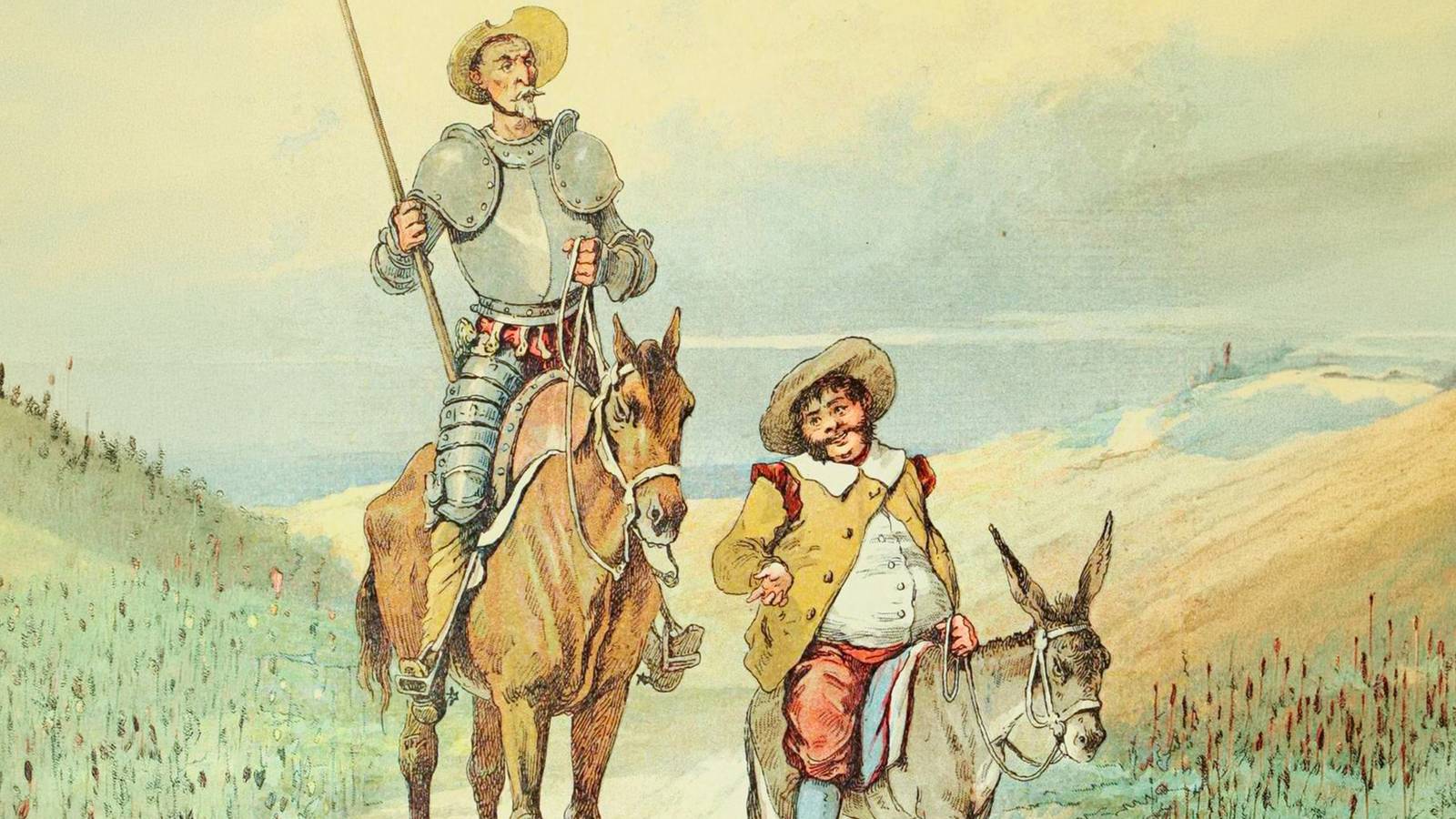
Miguel de Cervantes' Don Quixote is often reduced to a joke about a man attacking windmills, but it's so much more. It's a comedic and tragic tale of idealism versus reality, following the delusional knight and his pragmatic squire, Sancho Panza. The novel is a rich tapestry of stories within stories, exploring themes of madness, friendship, and the power of imagination.
It's a book that has inspired countless adaptations and remains as fresh and relevant today as it was four centuries ago.
These classics are more than just literary milestones—they're gateways to new worlds. If you're looking for more reading inspiration, check out our list of essential sci-fi novels or explore weird fiction for something truly out of the ordinary. And if you're curious about which books Hollywood keeps adapting, our overdone adaptations piece might surprise you.