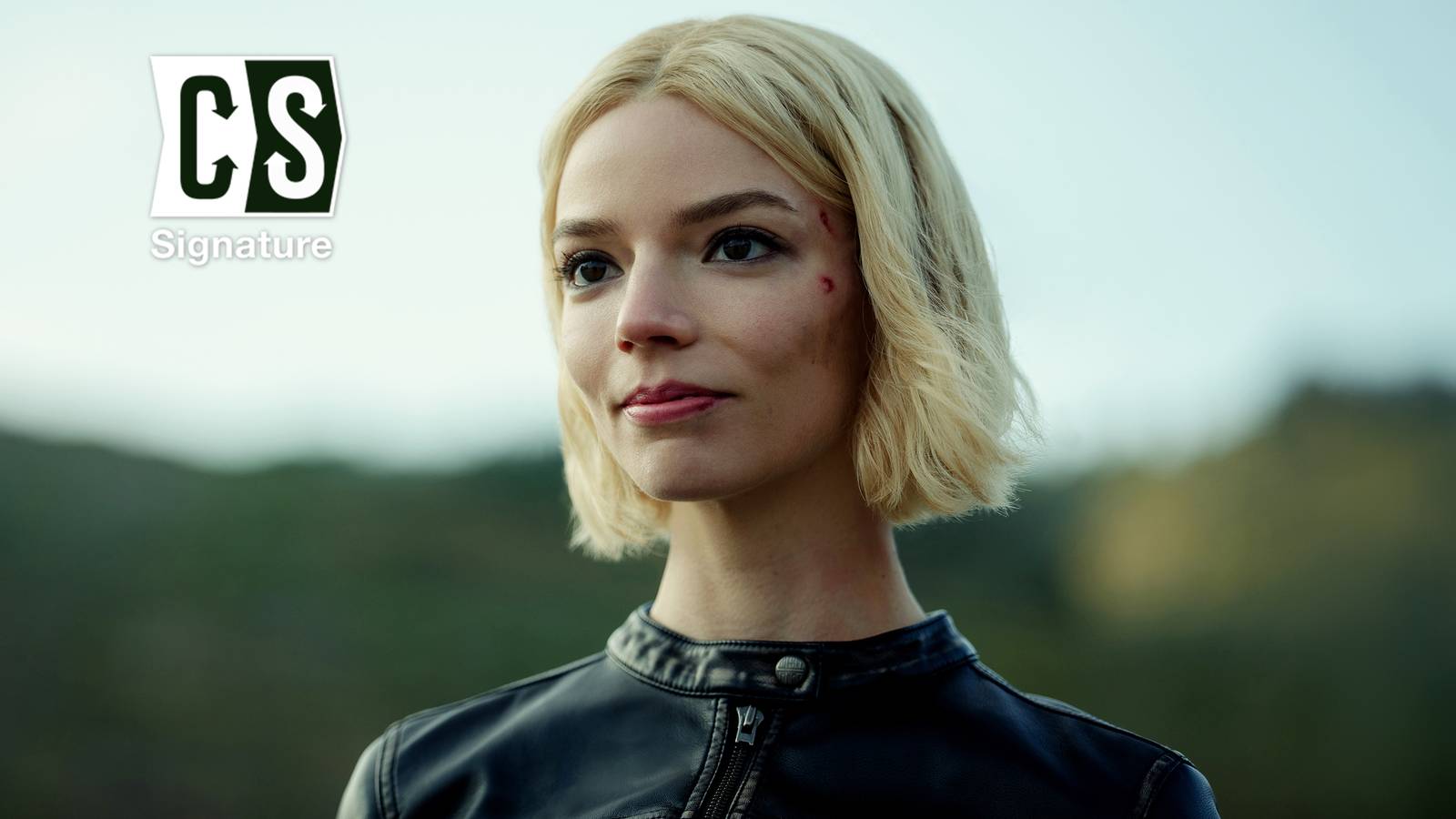
When Apple TV+ first unveiled Lucky, it was clear this wasn't your typical crime thriller. The series, starring Anya Taylor-Joy as a woman on the run from both the FBI and the mob, had a propulsive energy from the very first frame. But according to co-showrunner Cassie Pappas, the show was always building toward something far more intimate than a chase — a devastating confrontation between Lucky and her own father, played by Timothy Olyphant.
In an interview with Collider, Pappas — who executive produces alongside Jonathan Tropper — confirmed that Lucky was designed as a one-and-done limited series, with no plans for a second season. "We absolutely crafted it as a limited series," she said, "and we made sure to tie up all the loose ends." That meant crafting a finale that delivered both a literal and emotional one-two punch.
The Father-Daughter Dynamic Was Always the Heart
Adapting Marissa Stapley's 2021 novel, Pappas and Tropper knew they had to preserve the complicated bond between Lucky and John. "We all inherit baggage from our parents," Pappas explained. "Tropper and I were both really drawn to writing dysfunctional family dramas, so to be able to have that as our core, but with a criminal element to it, felt fresh."
The show leans into a duality: Lucky is running from external threats, but the real danger is the voice in her head — her father's influence, her own genetics. "What if the thing that she's actually trying to outrun is inside her, in her blood?" Pappas said. That theme is hammered home in the finale's final shot, where Lucky delivers a quiet but devastating blow to John.
Flashbacks Were Trimmed for Momentum
The book is rich with flashbacks to Lucky's childhood, including a harrowing scene where a young Lucky flees into the woods after her father tries to cut her hair. Pappas loved those moments but knew they couldn't slow down the pilot's breakneck pace. "Sometimes, if you stay too long in a flashback, it takes away from the propulsive on-the-run nature," she said. Instead, the show uses impressionistic flashes — like the finale's motel room image of Lucky and John in twin beds — to capture the essence of those chapters without losing momentum.
Anya Taylor-Joy Was a Natural-Born Producer
Taylor-Joy, who also serves as an executive producer, brought more than just star power to the set. "Anya is incredibly intelligent," Pappas said. "She has exquisite taste when it comes to wardrobe, when it comes to music. She has her finger on the pulse in all the ways." That creative partnership extended to story decisions, including one idea that never made it to script: a potential pregnancy storyline for Lucky. Pappas noted that Taylor-Joy's clarity about what she wanted helped shape the show's focus.
For fans of Taylor-Joy's earlier work, her role in Lucky echoes the intensity she brought to her overlooked 2017 thriller Marrowbone. And for those who appreciate Apple TV+'s darker dramas, Lucky sits alongside the ratings success of Silo, another show that thrives on slow-burn tension.
The Finale Was a Grueling Shoot
Pappas revealed that filming "All Good Things" was even more exhausting than the Vegas-set premiere. The finale brings all the major players together for a confrontation that's both physical and psychological. "It was a one-two punch," she said, "and we made sure the final 15 minutes were all in service of the emotional con." That con — the idea that Lucky has been playing a long game with her father — pays off in a way that feels earned, even if it leaves viewers gutted.
With Lucky now streaming in full, Pappas hopes audiences appreciate the show's deliberate pacing and its refusal to offer easy answers. "We wanted to honor the book's heart while making something that felt urgent and new," she said. For those who've followed Lucky's journey, the ending is a reminder that sometimes the hardest person to escape is the one who raised you.