Time travel on television usually follows a familiar pattern: either it's about fixing the past with clean narrative arcs and moral clarity, or it's about breaking timelines apart and letting paradoxes bleed. But in 2006, the British series Life on Mars took a stranger, more unsettling path. It took nostalgia—that warm, fuzzy feeling we get when we think of the past—and turned it into something terrifying. It's like a dream you can't wake up from.
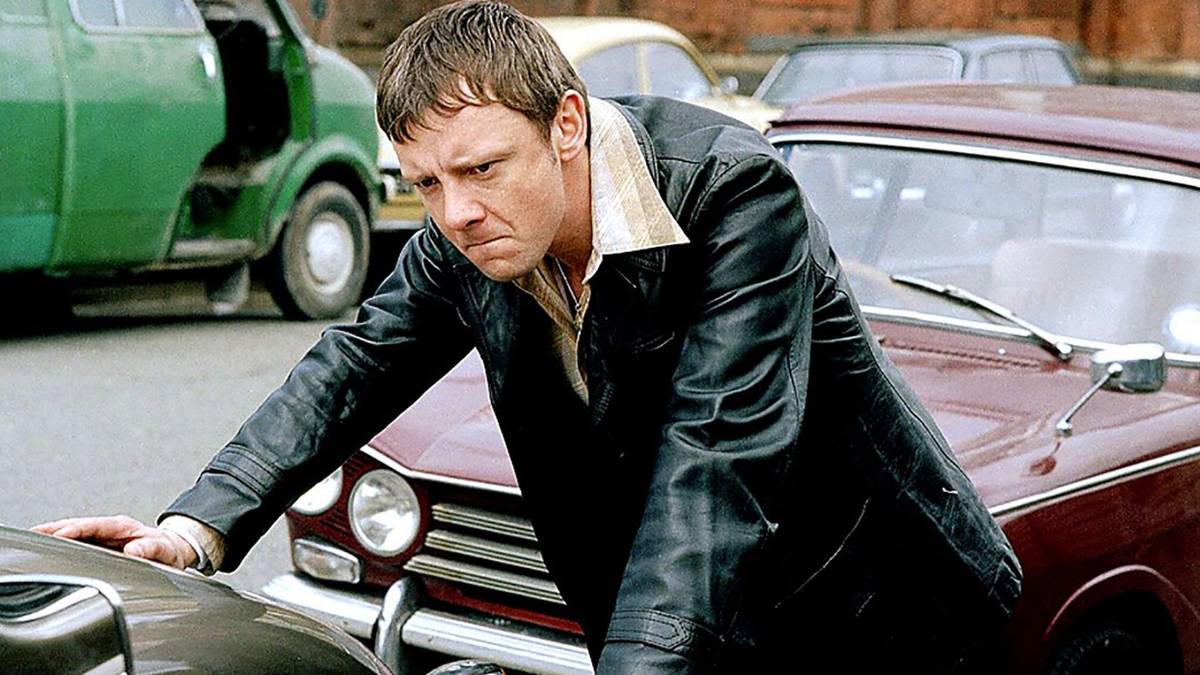
For those who've only heard that Life on Mars is a slightly surreal show about a police detective thrust back to the 1970s, they've only got part of the story. The show isn't just about Sam Tyler (John Simm) getting hit by a car in 2006 and waking up in 1973. It's about how the past is no longer really the past.

In 'Life on Mars,' the Time Travel Story Feels Like 'The Twilight Zone'
Most time travel series have a clear set of rules. Cause and effect become the main concern, and any change to the past could drastically affect the present. But Life on Mars plays like a time travel story in The Twilight Zone. There's no DeLorean or TARDIS to move through space and time. Just Manchester that seems built out of Sam's idea of 1973—not the real thing. It's the 1973 he thinks he remembers from reruns, cultural hand-me-downs.
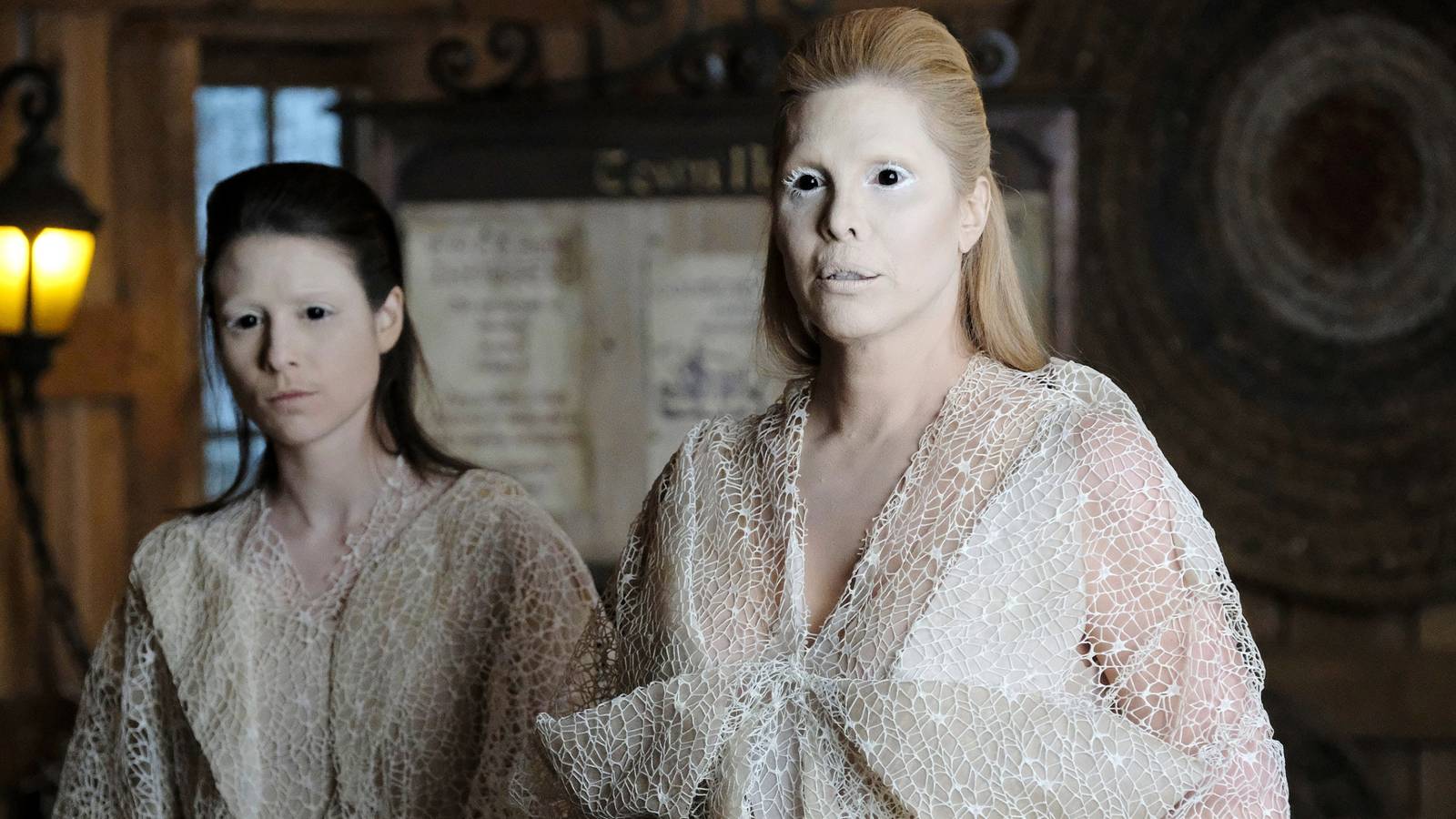
That's what makes the show quietly radical. It doesn't recreate the era as a stable diorama. It turns it into something unstable, slippery, alive. Televisions in the corner flicker on their own. A girl from the Test Card—the real BBC Test Card image with its unsettling grin—speaks to him through the static. Broadcasts cut in like messages from an absentee god. And through it all, Sam walks around in a world that shouldn't be real…because it isn't. He's not visiting 1973—he's being swallowed by it.
'Life on Mars' Turns Nostalgia Into a Haunted House
Most period pieces treat the past like a museum exhibit. You get lovingly recreated sets, accurate clothes, vintage pop hits—a sense that the past is something you can step into and recognize. But Sam's 1973 is just a half-remembered dreamscape built out of the way culture remembers itself. The Test Card Girl isn't just an eerie stylistic flourish. She's the embodiment of nostalgia. She knows Sam's name. She's a child of the broadcast signal, reminding both him and us that memory isn't a vault. It's a transmission, one that can distort.
Sam doesn't know if he's really back in time, in a coma in 2006, or insane. When televisions talk to him, or radios seem to hum his fears back to him, the show isn't just being weird for the sake of being weird. It's laying out a map of how mediated our memories of the past actually are. We don't remember history as it was lived. We remember the way it was packaged and played back to us. That's a deeply unnerving concept—and the show leans into it, hard.
Sam Tyler's personal story on learning what happened to him is also generational. The world he's trapped in is both too familiar and completely foreign. It's built out of cultural shorthand, television tropes, and the echoes of a time period he never actually inhabited in the way it's presented. Sam's never just walking through Manchester in 1973; he's walking through the way 1973 has been remembered, stylized, flattened, and now turned against him.
'Life on Mars' Gives a Totally New Take on Sci-Fi Time Travel
When Life on Mars aired, we didn't yet live in the total retro remix culture we do now. Nostalgia was still mostly linear—people watched old shows on DVDs or cable reruns. Now, entire digital spaces are built on looping fragments of the past. We live in memes, TikToks, remastered music drops, vintage filters, “throwback Thursdays,” and algorithmically-boosted comfort rewatches.
That means the show's thesis lands even harder today than it did 19 years ago. Sam Tyler's panic isn't just a story about a man trapped in the past. It's about what it feels like to live inside the flicker; to have our idea of the past curated and mediated for us until we're no longer sure what's real and what's just a good edit.
What makes this series feel timeless—ironically, for a show about time travel—is how it understood that cultural memory is slippery. The 1970s Sam inhabits isn't real. But neither is the 1970s we remember. And that makes the uncanny sequences, the talking screens, the too-quiet moments between bursts of static, resonate with an intensity that most shows of its era couldn't touch.
The Beauty of a Flickering Signal
Even with all its unnerving edges, Life on Mars is an extraordinary piece of television to binge. It's a truly engaging police procedural wrapped in a slow-burning existential mystery. Simm's performance as Sam is nothing short of phenomenal. His boss in 1973, Gene Hunt, played with aplomb by Philip Glenister, embodies the brash and morally questionable cop that we used to see all the time back then. He helps balance Sam in a world that's both brutally tactile and completely unreal.
But beneath the cop stories and the fish-out-of-water banter, the show is doing something almost literary. It's giving us a ghost story where the ghost isn't a person. It's memory itself. Every time a television screen lights up on its own, every time the Test Card Girl tilts her head just a little too knowingly, we're reminded that Sam isn't being haunted by some supernatural entity. He's being haunted by the past as broadcast. And isn't nostalgia just a transmission that feels like home, but isn't?
If you're in the mood for a sci-fi binge that's more than just a typical time travel romp, Life on Mars is a must-watch. It's a show that will stick with you long after the final episode. And if you're looking for other Prime Video sci-fi gems, check out why The Umbrella Academy is a perfect binge for fans of the genre. Or, if you're curious about what's coming next, Blade Runner 2099 is set to arrive on Prime Video later this year.