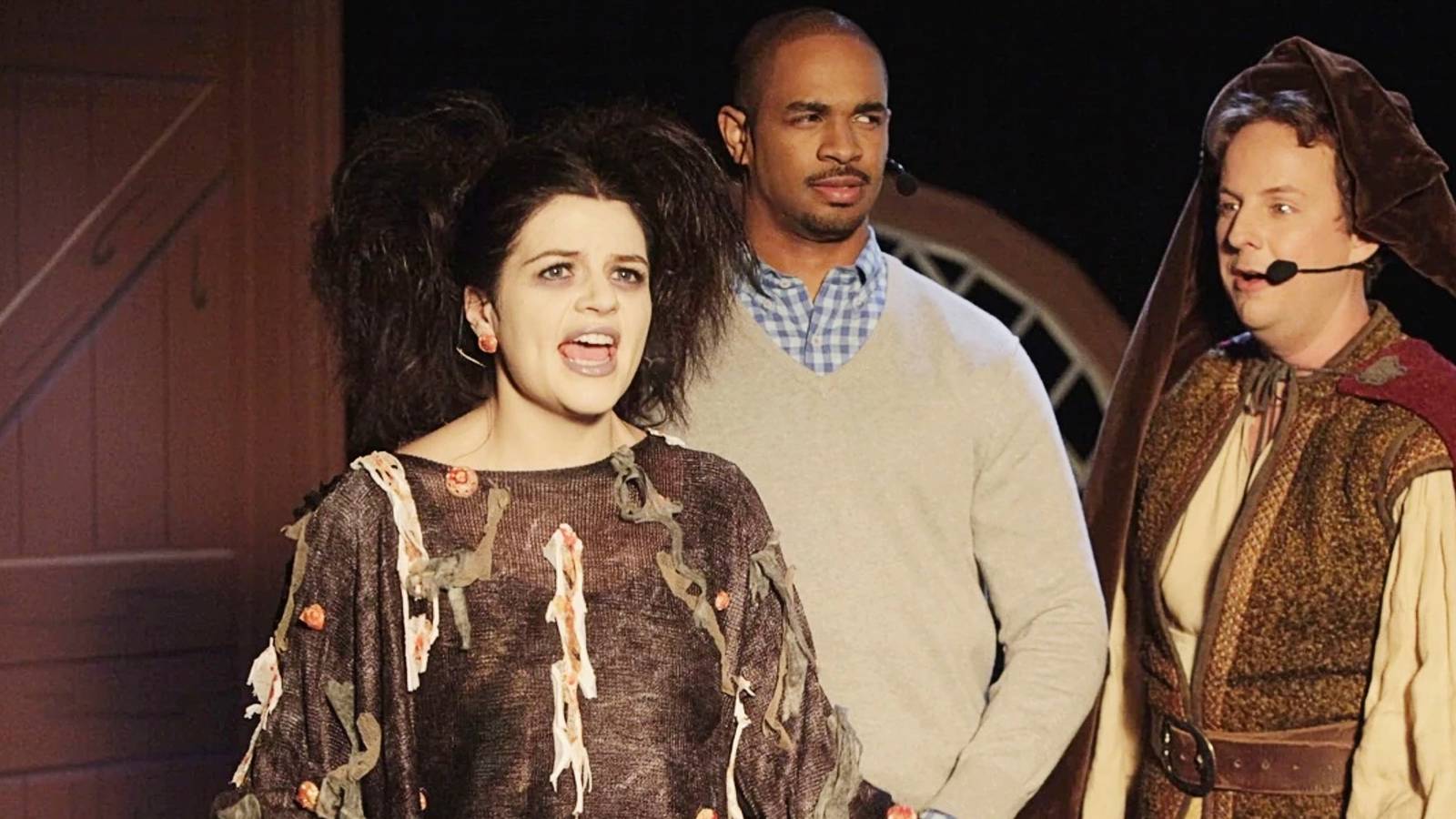
AMC's Interview with the Vampire has always thrived on layered storytelling, but with its transformation into The Vampire Lestat, the series takes a deeper dive into the psyche of its charismatic antihero. Episode 3, titled "Toronto," peels back the curtain on Lestat's most painful memories, introducing two figures who literally haunt his narrative: Magnus, the vampire who turned him, and Nicki, his first love. In exclusive interviews, actors Damien Atkins and Joseph Potter unpack the emotional weight of these roles and how they shape Lestat's journey.
The Ghosts of Lestat's Past
Lestat's decision to sit for an on-camera interview with journalist Daniel Molloy is fraught with evasion and performance, but Episode 3 offers a rare moment of vulnerability. As Potter explains, Nicki's relationship with Lestat is built on a foundation of shared tragedy. "When they first meet, they're both down on their luck, poor, and tragic souls," Potter says. "That unity makes Lestat's rise in Paris all the more devastating for Nicki." The episode traces Nicki's mental decline, fueled by Lestat's repeated lies and omissions, culminating in a heartbreaking betrayal that Lestat still carries with him—literally, in the form of a music box.
Magnus: The Twisted Fanboy
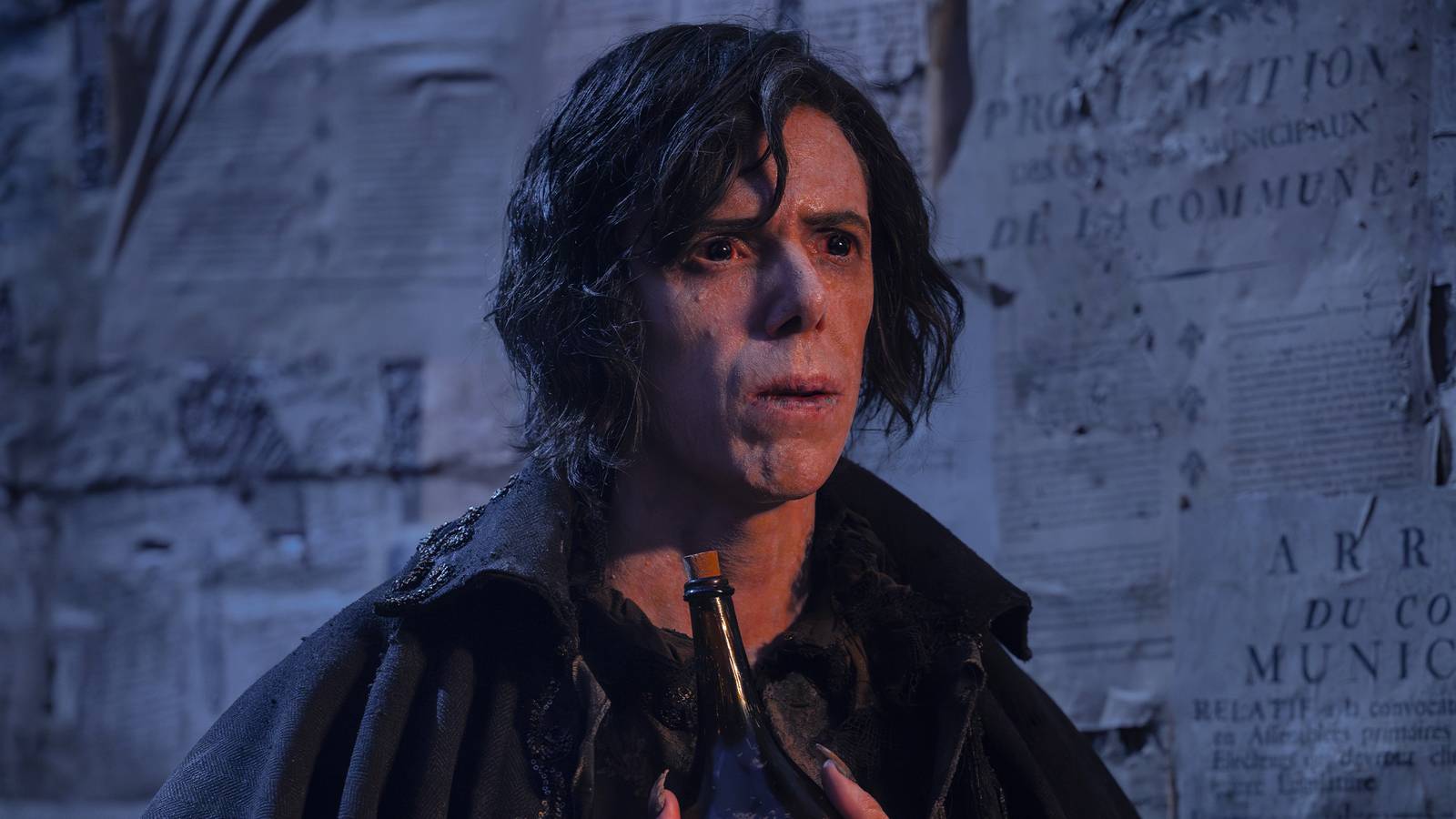
Magnus, played by Atkins, is a far more sinister figure. In the episode, he's portrayed through two lenses: a flamboyant music video version and a darker, more intimate flashback. Atkins reveals that Magnus's motivation is a twisted quest for the perfect heir. "He's killed dozens of blonde men, looking for the chosen one," Atkins says. "He sees Lestat's bravery and charisma—and that's what draws him. He was an alchemist, searching for gold." This obsession, rooted in a disturbing Aryan ideal, makes Magnus a haunting presence that Lestat can never fully escape.
Betrayal and Manipulation
The episode's emotional core lies in the gradual unraveling of Nicki's sanity. Potter notes that Lestat's recounting of events is filtered through a "lens of deceit," making it unclear what's real. "We see the gaslighting happen," he says. "Lestat is honest about how he betrayed Nicki, which is why he still carries that guilt." The series masterfully blurs the line between memory and performance, leaving viewers to question whose version of the truth they're seeing.
Behind the Scenes
Atkins shares that the music video sequences were filmed later, adding a layer of surrealism to Magnus's character. "Doing the music video stuff late informed the darker scenes," he explains. "It helped me understand the duality of Magnus—the public persona versus the private monster." This duality is echoed in the episode's structure, which juxtaposes Lestat's public bravado with his private torment.
For fans of the series, Episode 3 is a turning point. It not only deepens Lestat's backstory but also sets the stage for future conflicts. As Potter puts it, "Nicki and Magnus are ghosts that haunt the narrative, reminding Lestat of the cost of his immortality." With its blend of emotional depth and gothic horror, The Vampire Lestat continues to prove why it's one of the most compelling shows on television.
For more on the series, check out our review of Episode 3 and our ranking of every ship in the franchise.