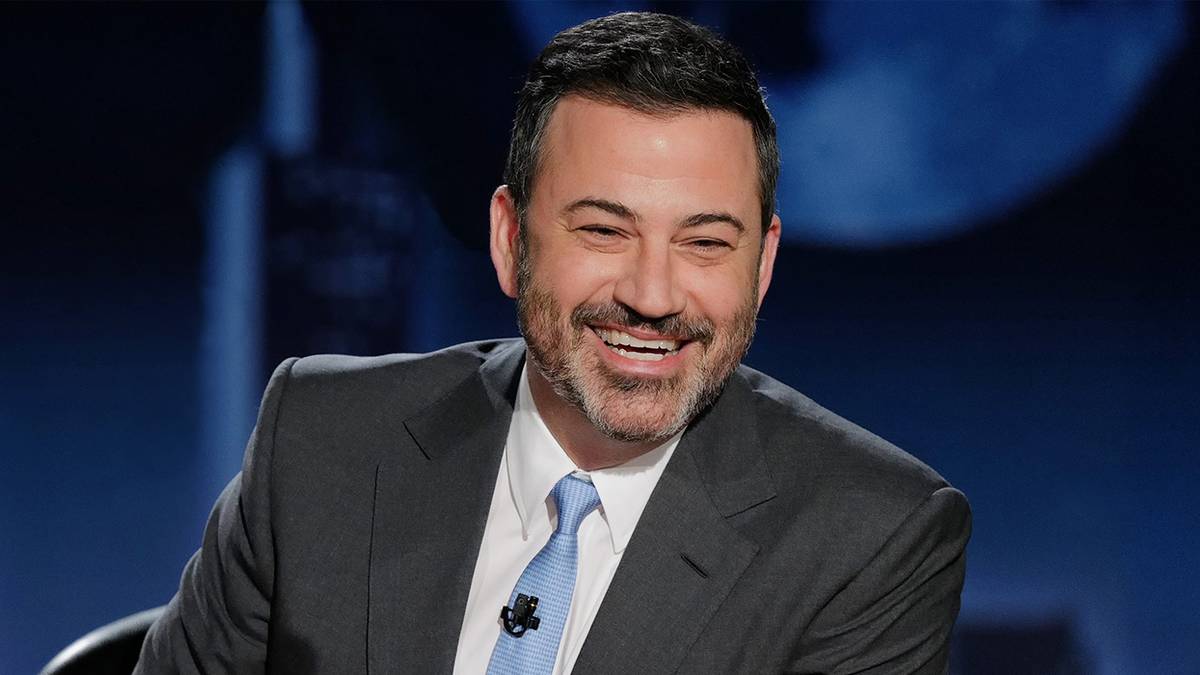
The late-night television landscape is facing a potential seismic shift as the Federal Communications Commission (FCC) sets its sights on ABC, with Jimmy Kimmel at the center of the storm. The network's parent company, Disney, is pushing back against what it calls an unprecedented and retaliatory move by the FCC to review the licenses of eight ABC-owned stations. This clash could redefine the boundaries of free speech on TV and signal a new era for the industry.
The controversy began last year when Jimmy Kimmel was briefly taken off the air following remarks about the death of podcaster Charlie Kirk, sparking a wave of subscription cancellations and a heated debate over censorship. While Kimmel eventually returned, the FCC's latest action—triggered by his mock White House Correspondents' Dinner—has put the entire network in the crosshairs. The FCC's decision to initiate early license reviews for ABC stations is a practice with no precedent in the agency's history, raising alarms about political interference in broadcasting.
In a strongly worded brief, Disney and ABC argue that the FCC's actions are a direct response to Kimmel's jokes about Melania Trump. The brief states, "There is no question why the Commission is singling out these eight stations... Each is owned by ABC, and the Administration has openly and repeatedly called for the revocation of ABC’s licenses, because it dislikes the content and viewpoints expressed on ABC network programs." This filing is a clear line in the sand, suggesting that the FCC could use its power to crack down on content it disagrees with, a move that could have chilling effects across the industry.
The implications extend far beyond Jimmy Kimmel Live. The View, another ABC program, is also named in the brief, with hosts like Whoopi Goldberg having been critical of President Donald Trump. ABC contends that FCC Chair Brendan Carr is attempting to carry out Trump's wishes to silence critics, and that the commission should not have the authority to police comedy or opinion programming. The brief's central message is stark: "The retaliation against ABC is a signal to every media company in the country: Accommodate the Administration’s view of what news coverage should look like or pay the price."
This isn't an isolated incident. Trump has previously called for investigations into Comcast and has publicly attacked other late-night hosts, including Stephen Colbert, Seth Meyers, and Jimmy Fallon. Colbert's show was canceled last year after he made remarks about a major merger, and Trump has called for Meyers and Fallon to be fired, even suggesting Meyers' jokes were "probably illegal." The pattern is clear: late-night hosts are increasingly under fire for expressing their opinions.
The FCC-ABC case is more than a legal dispute; it's a test of whether the government can use regulatory bodies to silence dissent. Former FCC chairs have condemned Carr's actions as "an assault on free speech disguised as regulatory process." The outcome could set a precedent for how the FCC handles license renewals, potentially affecting every network and show that dares to criticize the administration.
For viewers, this is a moment to pay attention. The ability of late-night hosts and talk shows to speak freely is a cornerstone of American television. If the FCC succeeds in punishing ABC, it could have a chilling effect on all media, making hosts think twice before telling a joke or making a pointed comment. As the entertainment industry watches closely, the question remains: will this mark the end of an era for late-night TV, or will it galvanize a new wave of resistance?
In the meantime, fans of late-night comedy can still enjoy the shows they love, but the future is uncertain. The FCC's actions are a reminder that the freedom to entertain and provoke is not guaranteed. As this story develops, it will be crucial to see how the courts and the public respond to this unprecedented challenge.