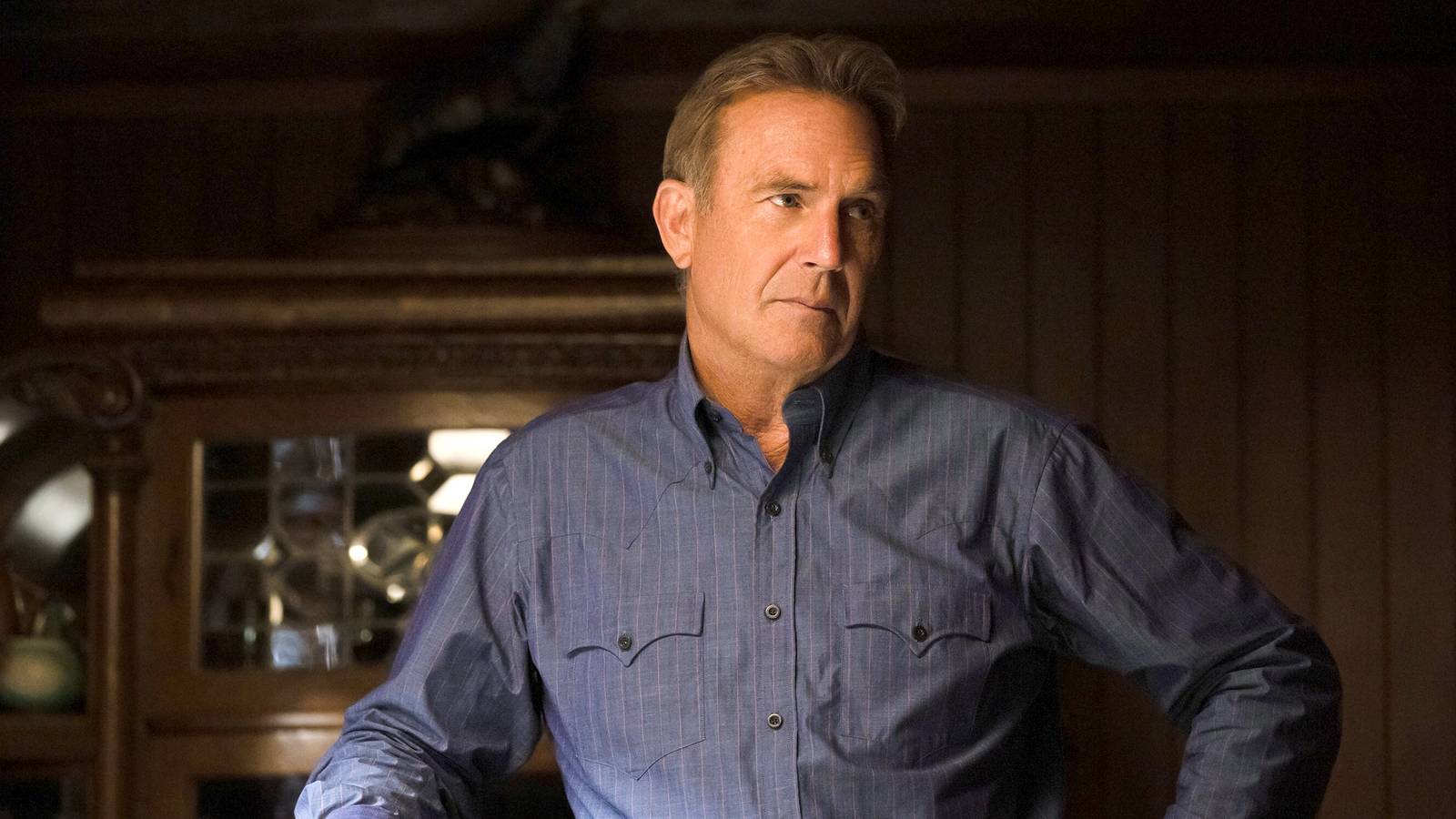
Kevin Costner has built a career on Western mythology, from his Oscar-winning directorial debut Dances With Wolves to his modern empire-building in Yellowstone. Yet his latest project, the eight-part History Channel docuseries Kevin Costner's The West, forced the iconic actor to confront a far grimmer reality than any Hollywood script has portrayed.
A Lifelong Passion Meets Historical Reality
Costner's fascination with the frontier began in childhood and has fueled some of his greatest professional achievements. That passion is currently on full display with his starring role in Yellowstone and his ambitious film project Horizon: An American Saga. However, his collaboration with historian Doris Kearns Goodwin for the History Channel series, which premiered May 26, 2025, delivered a sobering education. Serving as host, narrator, and executive producer, Costner immersed himself in research, emerging with a perspective that fundamentally challenged the genre's romantic traditions.

The Shock of Unvarnished History
In a revealing interview, Costner expressed his astonishment at the historical record. "Everything I found, almost everything I found was tragic," he admitted. "Every story—there weren't a lot of happy endings." For a man synonymous with the Western genre, this realization highlighted the vast chasm between cinematic legend and historical fact. Costner approached the series with a determination to present an uncompromising look at the past, comparing his goal to the undeniable truth of a sports score. "Let me see how raw it was," he stated. "Let me know how real it was."
The series dismantles the idealized image of the plucky pioneer. Costner discovered that many settlers ventured West utterly unprepared, sometimes perishing in groups as their best and worst human instincts surfaced under extreme duress. While figures like the legendary mountain man John Colter thrived through extraordinary skill and resilience, their stories were exceptions in a broader narrative of struggle and loss.
The Tragedy of Displacement
One of the most confronting truths explored in the series is the systematic displacement of Indigenous peoples. Costner details how this was not always achieved through epic battles but through a relentless, confusing campaign of incremental pressure. Settlers presented constantly shifting demands: initially requesting passage, then demanding land and cultural changes like haircuts, and finally enforcing religious conversion. "We murdered them, and we made up convenient stories to do it," Costner says bluntly. "These places don't have their names anymore. We named them after ourselves."
This focus on historical injustice aligns with a broader shift in Hollywood, seen in projects like Martin Scorsese's Killers of the Flower Moon. However, The West provides a comprehensive historical context, framing specific dramatic tales within the larger, unfiltered arc of expansion. For fans of the genre seeking deeper understanding, this series offers essential context, much like the gritty realism found in the Coen Brothers' revisionist classics.
Costner's Unconventional Role
According to Doris Kearns Goodwin, Costner was the perfect guide for this journey "due to his spiritual connection to the West and his contagious enthusiasm." His involvement went far beyond typical narration; he deeply engaged with the material, ensuring the final product reflected the complex tapestry of triumph, perseverance, and tragedy experienced by all peoples of the era, not just European settlers.
This project arrives as Costner's Western footprint expands across platforms. While audiences await the next chapters of Horizon on HBO Max, they can explore his earlier forays into tough, morally complex territory, like the thriller Let Him Go currently captivating Netflix audiences. Kevin Costner's The West ultimately serves as a powerful reminder that the stories which built a nation are rarely simple, and the most compelling truths are often the hardest to face.