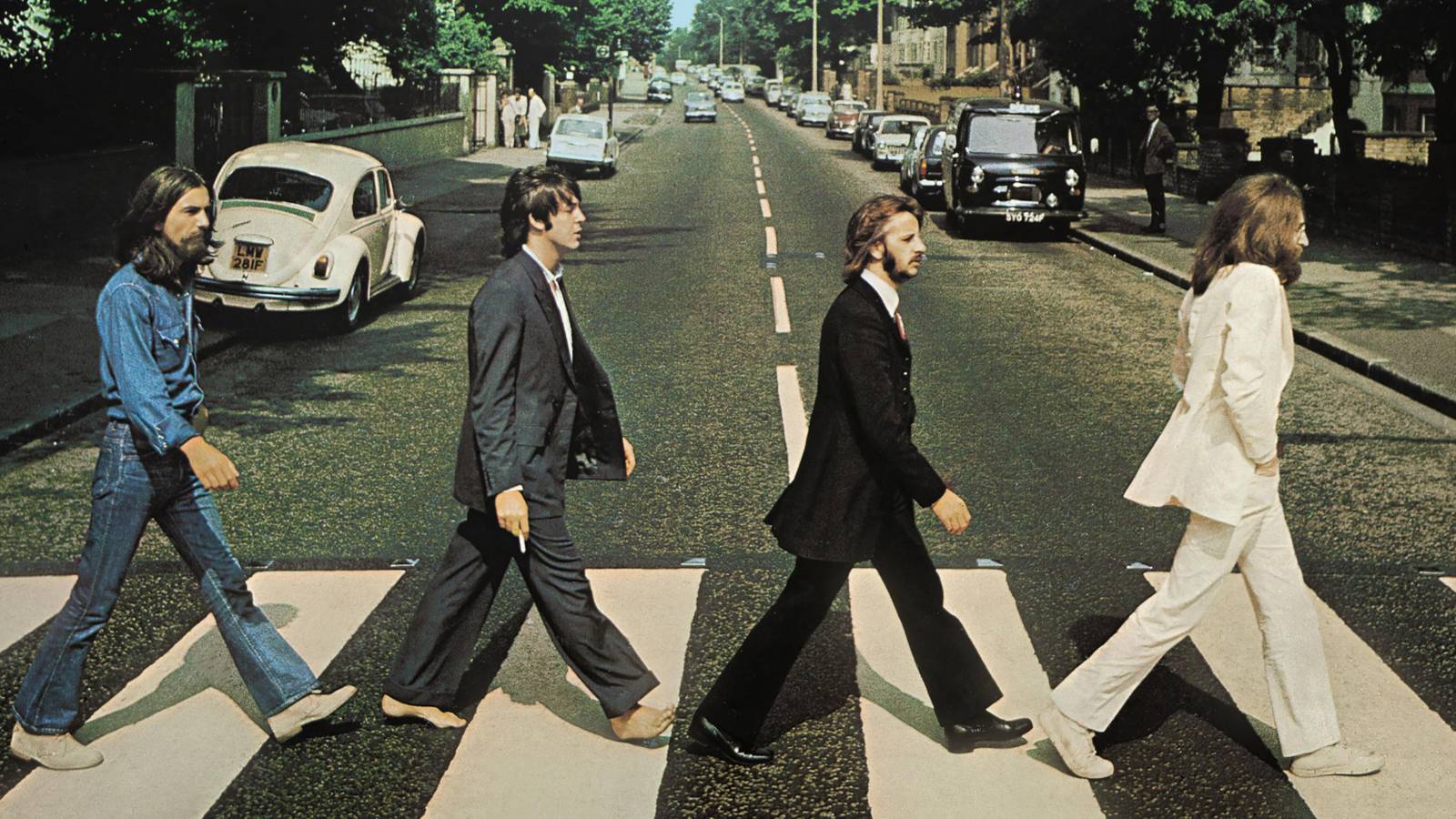
Music history is defined by pivotal moments: Elvis Presley's electrifying 1956 television debut, The Beatles' 1964 arrival in America, and the 1981 launch of MTV that changed everything. That same year, another landmark arrived with Blondie's "Rapture"—the first rap video on the new music channel, featuring Debbie Harry delivering a rap coda in a rock song.
This fusion appeared sporadically for years, from rock experiments to Mariah Carey's iconic 1995 "Fantasy" remix with Ol' Dirty Bastard. But by the 2010s, what was once an occasional collaboration had become an industry mandate. Seemingly every major pop and rock track included a rap verse, creating what many critics consider one of the decade's most overused and artistically questionable trends.
The 2010s Crossover Explosion
Finding a hit song without a featured rapper became nearly impossible. Cher Lloyd's catchy "Want U Back" suddenly pivoted to Astro's perspective-shifting rap. Katy Perry's already-otherworldly "E.T." became downright bizarre with Kanye West's intergalactic verses. The trend knew no genre boundaries, with Nelly appearing on Florida Georgia Line's country-pop hybrid "Cruise" and Wiz Khalifa boasting about push-button ignitions in Maroon 5's nostalgic "Payphone."
Perhaps no artist embodied this era more than Ludacris, who seemed omnipresent on charts, contributing to hits from Fergie's "Glamorous" to Taio Cruz's "Break Your Heart." But the watershed moment arrived with a teen idol: Justin Bieber's monumental 2010 hit "Baby" featuring Ludacris. The track's massive success signaled to the industry that rap features weren't just acceptable—they were essential for mainstream dominance.
Questionable Motivations Behind the Features
Not every collaboration missed the mark. Jay-Z's contribution to Beyoncé's "Crazy In Love" became iconic, Snoop Dogg perfectly complemented Katy Perry's "California Gurls," and Lil' Kim added edge to the 2001 "Lady Marmalade" remake. These partnerships felt organic and enhanced the songs.
But for every successful fusion, countless others felt forced. Many appeared to be transparent attempts for pop and rock artists to borrow credibility from hip-hop's rising cultural dominance during a period when traditional genres were struggling for relevance. The features often felt disconnected from the song's emotional core, serving as awkward interruptions rather than meaningful contributions.
This trend coincided with fascinating developments across entertainment. Just as music was blending genres, television was reimagining history in series like For All Mankind, while documentaries were exploring artistic process, similar to the musical methods revealed by Whitney Peak.
The Legacy of a Divisive Decade
By the late 2010s, the mandatory rap feature began fading as listeners grew weary of predictable formulas. The trend's decline spoke volumes about audience appetite for authenticity over calculated cross-promotion. While it produced some memorable moments, the era is largely remembered for its excesses—countless songs where rap verses felt like contractual obligations rather than creative choices.
The 2010s rap feature phenomenon represents a fascinating case study in industry trends, showing how a novel idea can become a stifling convention. Like the emotional journeys captured in music's most devastating albums, this trend took listeners on a rollercoaster from excitement to exhaustion. While collaborations between genres continue to thrive today, they now tend to emerge from genuine artistic synergy rather than commercial calculation, leaving the forced features of the early 2010s as a curious footnote in music evolution.