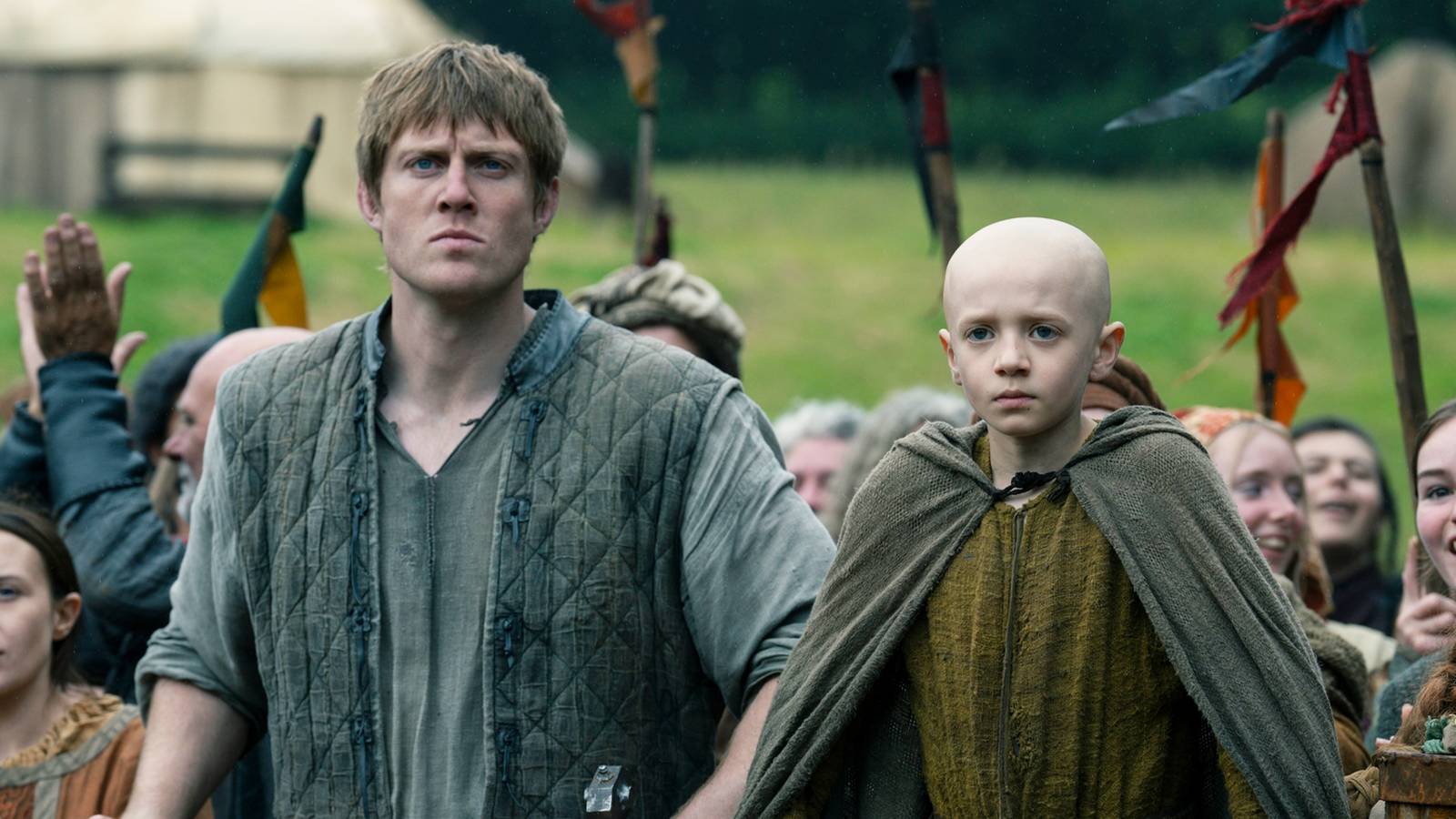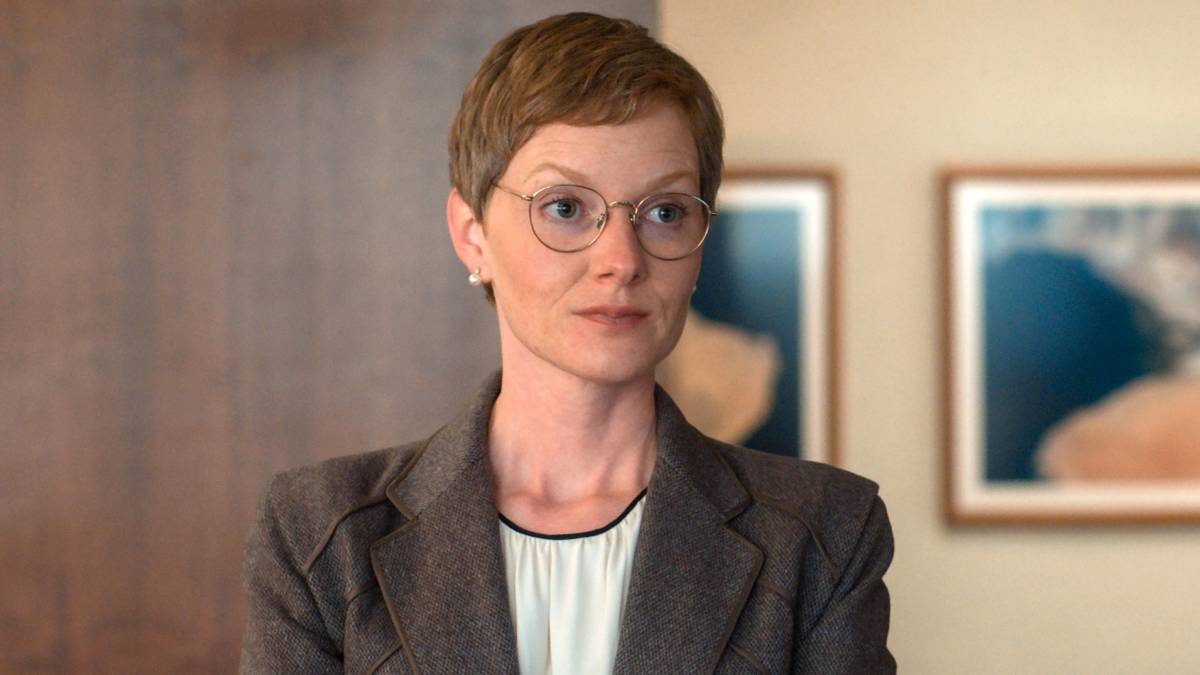
Just as Apple TV+'s ambitious alternate history drama For All Mankind launches its fifth season, the streamer has confirmed its final frontier: the upcoming sixth season will be the series' last. While fans previously speculated the show might span seven seasons as a multi-generational saga, co-creator Ben Nedivi has clarified the endgame was always part of the creative team's master plan.
The Creators' Roadmap Reaches Its Destination
In a recent interview, Nedivi set the record straight about the series' lifespan. "To correct the record, it was never seven seasons. We'd always said it'd be 'like six or seven,'" he explained. The decision stemmed not from network mandates but from the natural conclusion of their narrative blueprint. As the writers progressed through the decades-long timeline, they realized one final season would suffice to complete their vision.

This approach contrasts sharply with the current streaming landscape, where successful shows are often extended beyond their natural lifespan. For All Mankind joins a select group of series, like the critically acclaimed Dark Winds, that prioritize cohesive storytelling over indefinite renewal.
Present-Day as the Finish Line
The core concept driving the series' conclusion is its chronological ambition. From its inception, the creative team intended to chart an alternate history from the 1960s to the present day, exploring how the world might differ if the space race never ended. Each season has leaped forward approximately a decade, with Season 5 currently unfolding in the 2010s.
"The goal was always, from the beginning, getting us to the present," Nedivi stated. "We're still on the same plan we've had. It does feel like we're able to catch up to that present day in Season 6." This final season will likely be set in the 2020s, bringing the show's speculative history in line with our contemporary moment and fulfilling the creators' original promise.
Why Ending Now Makes Narrative Sense
Beyond the timeline, several story elements signal a natural conclusion. The series has meticulously built a world where continued space exploration catalyzed profound technological and social changes. Extending beyond the present day would transform the show from a grounded "what if" experiment into pure futuristic speculation, losing its unique anchor in our shared reality.
Character arcs also point toward closure. Protagonist Ed Baldwin, portrayed by Joel Kinnaman, is already in his eighties in the current season. His remarkable longevity has become a fan-favorite element, but pushing his story further would strain credibility even within the show's advanced universe. Some narratives, like the best cinematic finales, are defined by knowing when to conclude.
A Victory for Planned Storytelling
In an era of abrupt cancellations and unresolved plots, For All Mankind securing a planned finale is a significant achievement. The series has maintained strong viewership and critical praise, allowing it to avoid the fate of many streaming originals that vanish without warning. This controlled conclusion ensures the complex narrative threads woven over five seasons can be tied together intentionally.
The announcement also comes as Apple TV+ continues to expand its sci-fi offerings with projects like Matt Reeves' upcoming series and the recently announced Murderbot adaptation, suggesting the platform remains committed to ambitious genre storytelling even as one flagship concludes.
What's Next for the For All Mankind Universe
While the main series concludes with Season 6, the universe will continue through the upcoming spin-off Star City, which will explore the Soviet space program perspective. This allows the show's rich alternate history to endure in a new format. Fans can likely expect a substantial gap between Seasons 5 and 6, potentially lasting several years, though the 2020s setting will remain relevant whenever it arrives.
For a series that asked "what if?" about one of history's pivotal moments, ending at the present day provides the ultimate answer. It demonstrates a rare commitment to artistic vision in an industry often driven by metrics alone, promising viewers a finale that honors the intricate world-building and character development that made the show a standout in Apple TV+'s roster of binge-worthy dramas.