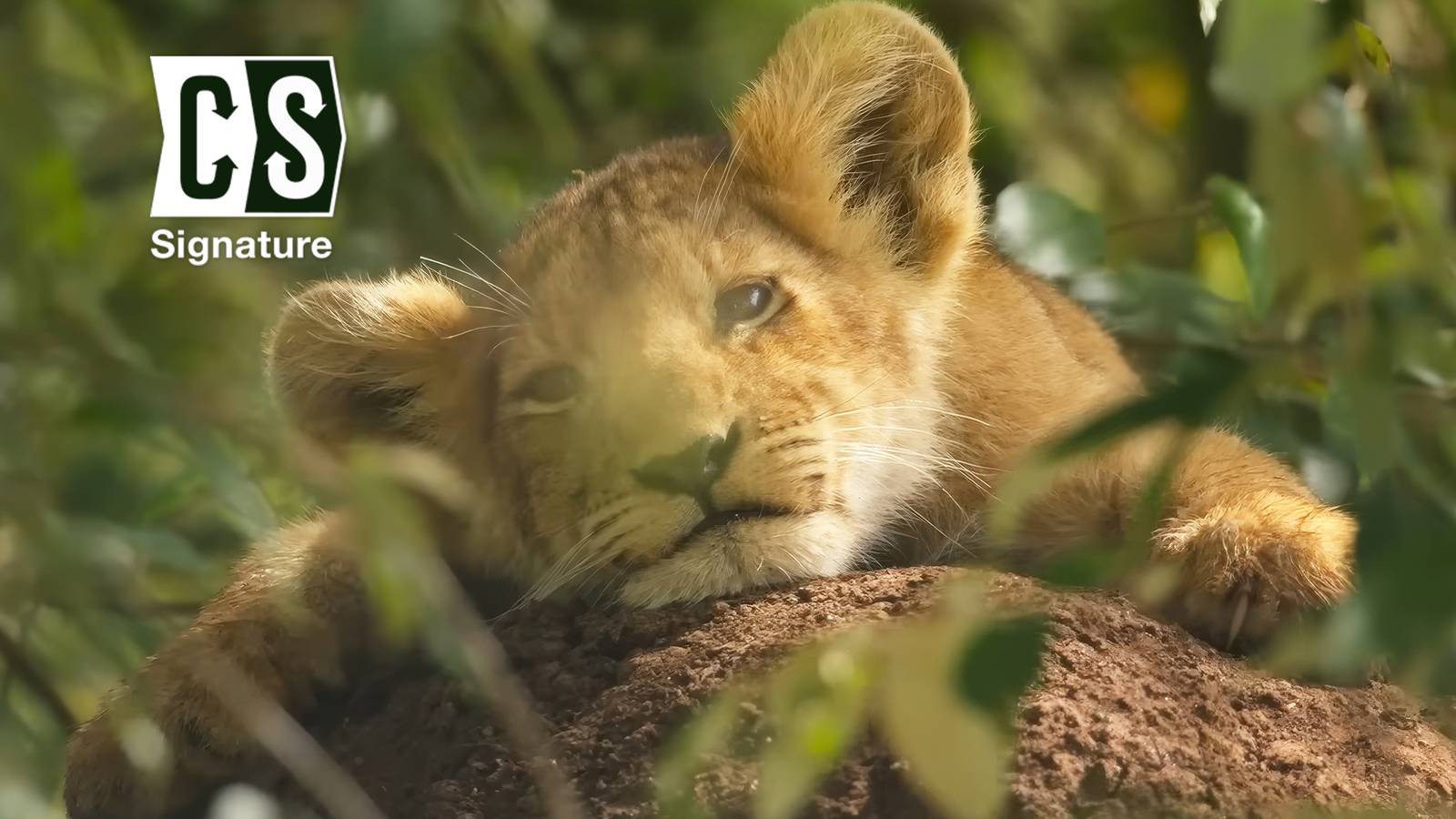
National Geographic has long been the gold standard for nature documentaries, but even they have never attempted what their latest series, Lion, achieves. For the first time in history, a documentary crew has followed a single lion from birth to maturity, chronicling every triumph and tribulation along the way. The result is a gripping, emotional saga that rivals any scripted drama.
The series centers on Kio, a lion cub born on the African savanna, and spans four transformative years of his life. It's a story that echoes the classic tale of Simba from The Lion King, and the connection is more than thematic—legendary composer Hans Zimmer, who scored the beloved Disney film, provides the music for this docuseries, adding an extra layer of resonance for fans.
Executive producers Jon Favreau and Mike Gunton recently sat down with Collider to discuss the monumental effort behind this project. Gunton, a veteran of nature programming, explained that the opportunity to follow one pride for such an extended period was unprecedented. "Nobody's ever done that before," he noted, emphasizing the uniqueness of the endeavor.
The journey began with a simple observation: a pride of lions with four dominant females, each with her own personality and story. But as the crew embedded themselves in the Maasai Mara, a different narrative emerged—one centered on an aging female and her final cub, Kio. It was a story that no one could have predicted, and it unfolded organically over time.
Favreau, known for his work on The Jungle Book and The Lion King, was drawn to the project after collaborating with Gunton on Prehistoric Planet. That series allowed for careful planning and CGI, but Lion was a different beast entirely. "There is no script, and there is no guarantee that any of your characters that you are falling in love with will survive," Favreau admitted. The unpredictability was both the challenge and the magic of the project.
The production spanned five years from conception to completion, with crews tracking the lions through every season. The rainy season posed particular difficulties, forcing the team to retreat and wait for updates. Each return brought a mix of anxiety and relief, especially in the early years when Kio's survival was far from certain. "I remember every rainy season we would have zero visibility into what was happening," Favreau recalled. "Then we would come back, and I would get that phone call. They spotted him; he survived the winter."
As Kio grew, so did his odds, and the story took shape. The filmmakers realized they had something special—a narrative arc that mirrored the great epics of cinema. "We ended up with something quite magical," Favreau said, reflecting on the final product.
Lion is a testament to the power of patience and the unpredictability of nature. It's a must-watch for anyone who appreciates wildlife, storytelling, or simply the beauty of the natural world. And for those who loved The Lion King, this real-life saga offers a poignant, authentic counterpart.
For more on the intersection of nature and entertainment, check out our coverage of Dune: Part Three's record-breaking pre-sales or the latest on Tulsa King's upcoming season.