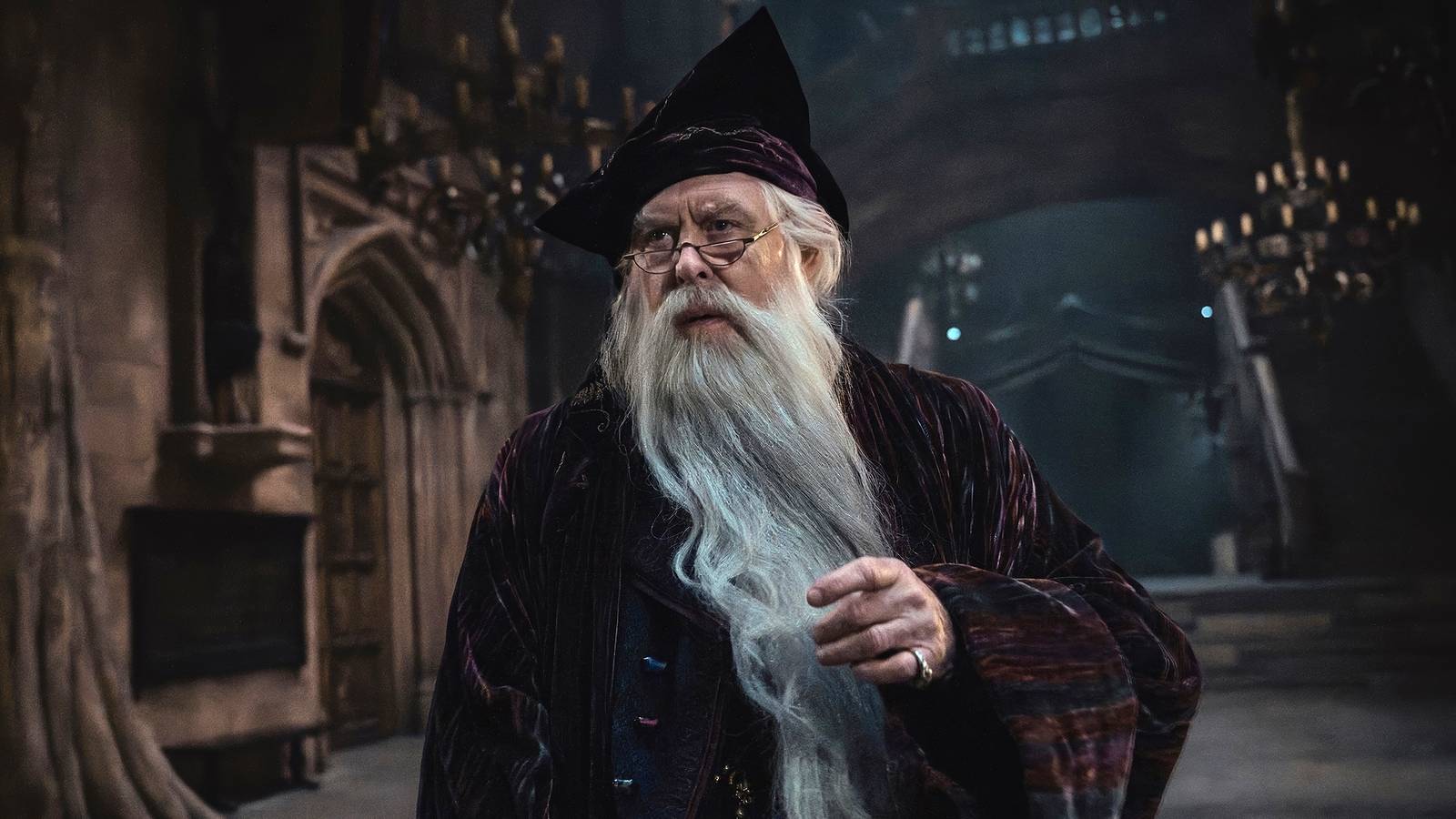
The upcoming HBO Harry Potter series was destined to face intense scrutiny from the moment it was announced. Revisiting one of the most cherished fantasy worlds ever created comes with immense pressure, and every detail—from casting choices to creative direction—has been analyzed by fans and critics alike. This spotlight shines brightest on the actor tasked with portraying the wise and enigmatic Albus Dumbledore, a role now filled by acclaimed actor John Lithgow. As the series marches toward its Christmas debut, Lithgow is speaking candidly about the project's most persistent shadow: the controversy surrounding author J.K. Rowling.
Navigating the Rowling Controversy
In a recent interview on The New Yorker Radio Hour, Lithgow addressed the ongoing backlash against Rowling for her publicly stated views on gender identity. The actor revealed that the controversy became a significant topic of discussion after he had already committed to the project. Despite facing pressure to reconsider his involvement, Lithgow made it clear he had no intention of stepping down. "There was everything attractive about the job, and job security into my late years," Lithgow stated. "You don't ignore those issues. The whole subject of Rowling's imputed prejudice, it came up after everything was already underway. I'd already said yes […] I was urged to walk away, and I was not about to do that."
Weighing the Decision
Lithgow explained that his choice to remain with the series was a calculated one. He believed the artistic and professional reasons for taking on the iconic role far outweighed the calls for protest. "The reasons to do it were much, much stronger than the reasons to protest against what Rowling has done and said," he said. While he expressed personal disagreement with much of Rowling's commentary, he also suggested some of her statements have been misinterpreted. "Much of it I think has been twisted and misrepresented, and she has doubled down on it at her own cost," Lithgow added, noting he is "surprised and disappointed" by her continued social media posts.
Importantly, Lithgow emphasized that Rowling was not his primary motivation for joining the cast. In fact, he revealed he has yet to meet the author. His decision was driven by the creative team behind the scenes, particularly showrunner Francesca Gardiner and director Mark Mylod. "The other positive on the 'Harry Potter' project is the people who have taken it on themselves," Lithgow said. "Francesca Gardiner and Mark Mylod have an extraordinary partnership. Francesca… she persuaded me, she's the big reason I took it on."
The series is already generating significant buzz, having released its first official footage of Lithgow as Dumbledore last month. Rowling herself has publicly endorsed the production, writing online that it "is going to be incredible. I'm so happy with it." This vote of confidence from the creator adds another layer to the complex narrative surrounding the show's launch.
The High-Stakes Reboot
This new adaptation arrives at a time when the Harry Potter franchise is experiencing a major resurgence on streaming. As the original films continue to cast a powerful spell on HBO Max, anticipation for the series is building. The show's debut is poised to be a major television event, with its first season confirmed to run for eight episodes. Fans are eager to see how this new interpretation will differentiate itself from the beloved film series while capturing the magic of the books.
The project is not without its perceived risks, however. Some industry observers wonder if it can forge a new path or will simply retread familiar ground. As noted in our analysis, the HBO reboot walks a fine line between honoring past magic and innovating for a new generation, a challenge other franchises like Stranger Things are also navigating with their own spinoffs.
Lithgow's comments place him among a growing list of actors and creators who have had to publicly reconcile their work with the personal views of controversial figures involved in major franchises. It's a modern dilemma in entertainment, where art, commerce, and personal ethics increasingly intersect under the glare of social media. As the Christmas premiere approaches, all eyes will be on how this new chapter for the Wizarding World is received, both for its creative merits and its navigation of the real-world debates that now surround it.