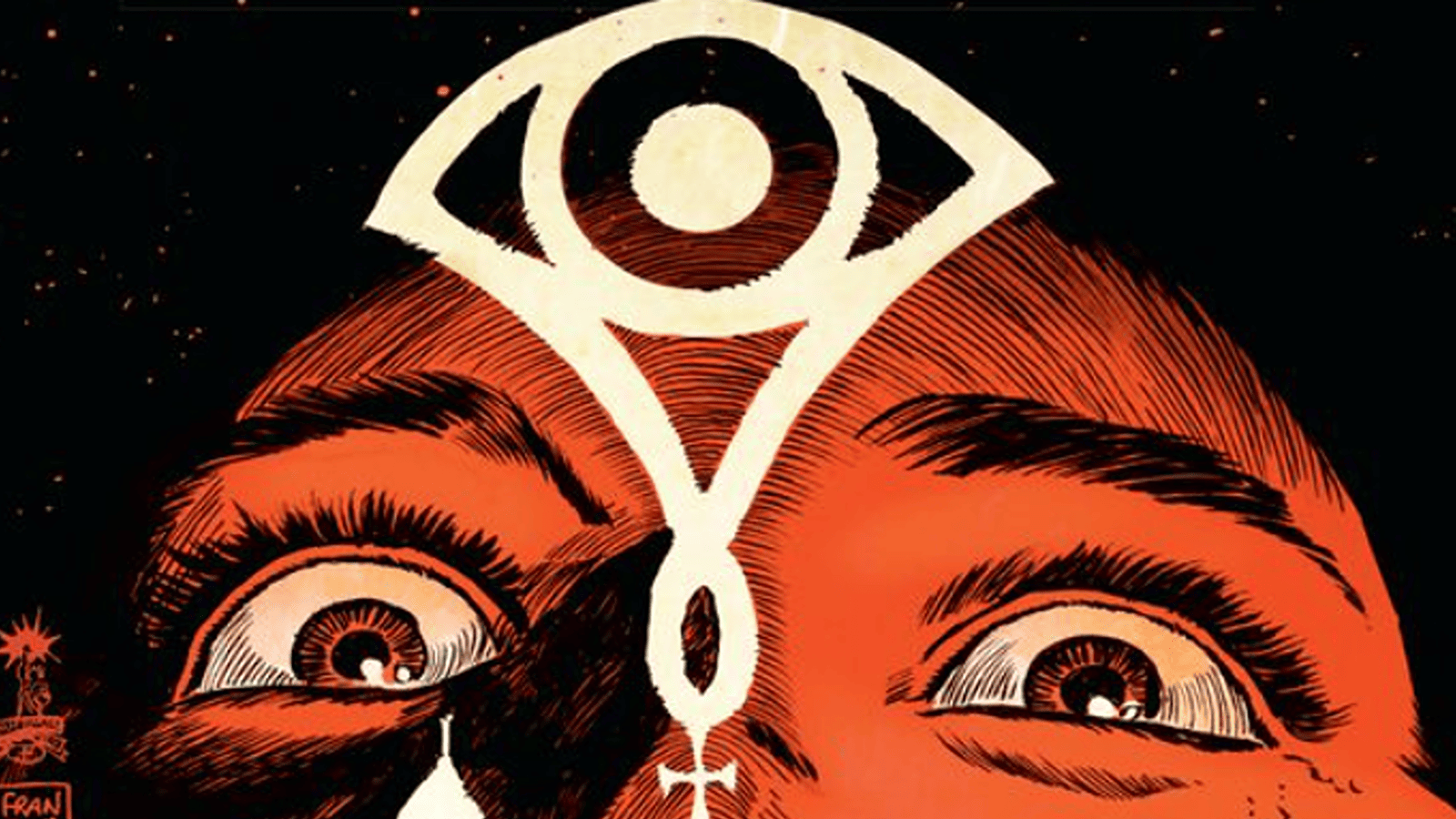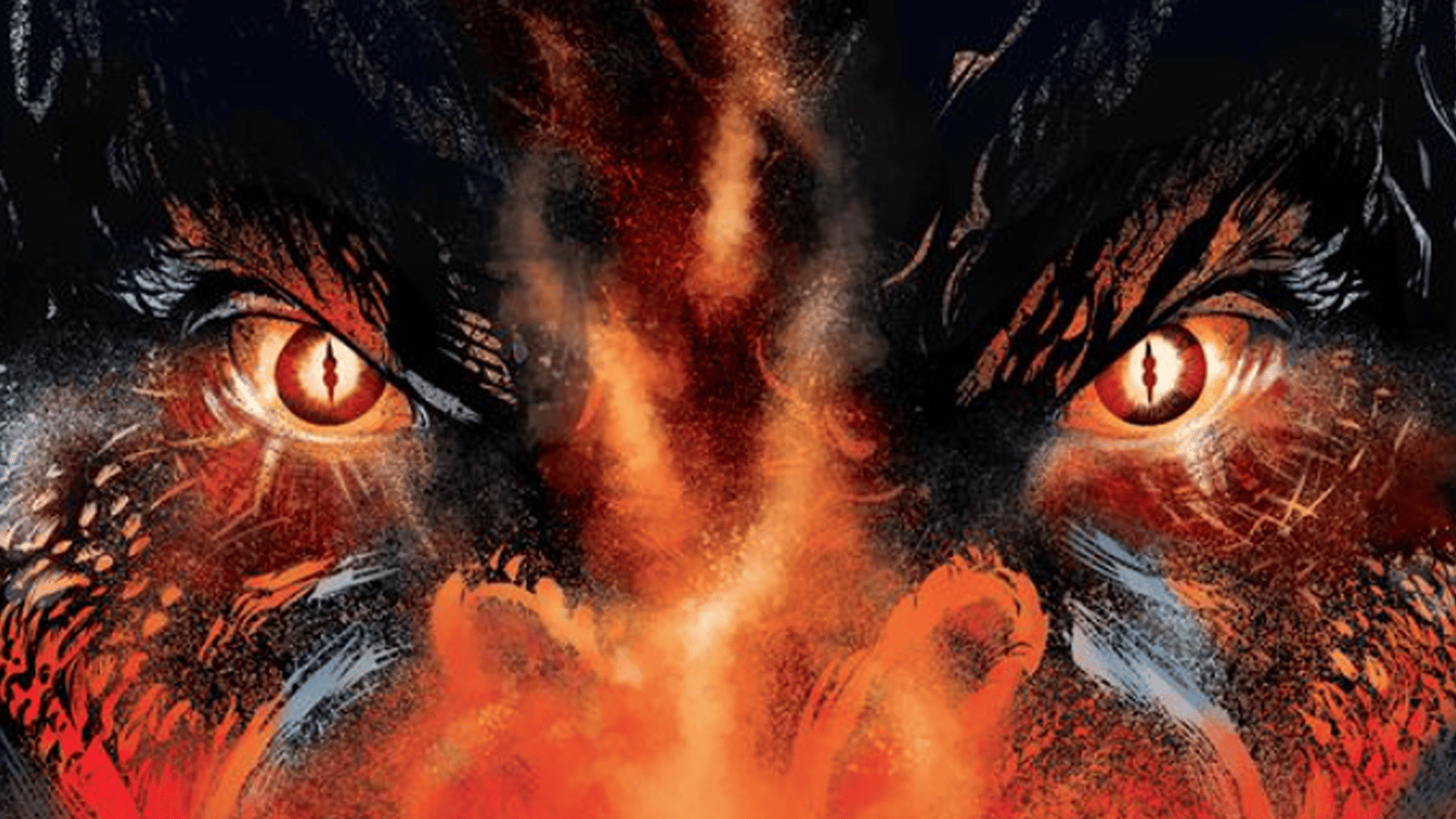
John Carpenter has built a career on exposing the monsters lurking beneath everyday life. From the suburban terror of Halloween to the paranoid dread of The Thing and the systemic critique of They Live, his work has always found horror in the familiar. His latest project, John Carpenter's Cathedral, takes readers beneath Los Angeles, where an ancient evil has festered undisturbed for centuries.
The graphic novel follows LAPD detective Christine Adams as she investigates her father's brutal murder, leading her into an abandoned cathedral and toward a portal to the underworld. With its eye-covered landscapes and body-twisting demons, the story is undeniably creepy. But Sandy King, Carpenter's longtime producer and co-founder of Storm King Comics, insists that the real world is far more terrifying than anything in the comic.
In an exclusive interview with Collider, King was asked whether the story reflects how easily people ignore a hidden evil. She didn't mince words: "Look at modern life. Nothing's as frightening as reality. So many people can look away at what's happening to our country right now and to society around the world. A demon under L.A.? That's peanuts compared to what we're doing to ourselves."
King's perspective is shaped by a chilling conversation she had with a crime scene investigator trained at Quantico. During training, an FBI specialist asked participants to imagine the worst possible act one person could commit against another. When the investigator offered her answer, the specialist replied that it had already happened—without even hearing it. "We have the humanity and inhumanity within us," King reflected.
That grim reality is central to Cathedral. Christine enters the cathedral while investigating a murder, only to discover that generations of warriors, priests, and shamans have tried to contain what lies beneath. But because the evil hasn't directly affected most people, society pretends it doesn't exist. It's a theme that echoes Carpenter's long-standing critique of institutions and social complacency—a supernatural threat that mirrors the way we ignore real-world dangers.
For King, horror's power lies in its ability to hold a mirror to society. "Horror is a great allegorical medium for society and for ourselves to look at what we do and what we see," she said. "That's why it's one of the premier mediums. Two mediums do that: comedy and horror, and they're very closely aligned."
As Cathedral hits shelves, it continues Carpenter's tradition of using genre to explore uncomfortable truths. The demon under the church may be fictional, but the indifference it represents is all too real. In a world where headlines often outpace fiction, King's message is clear: the scariest stories aren't the ones we read—they're the ones we live.
For more on Carpenter's creative process, check out how a nightmare inspired the graphic novel. And if you're a fan of modern horror, you might also enjoy this look at a modern western masterpiece.