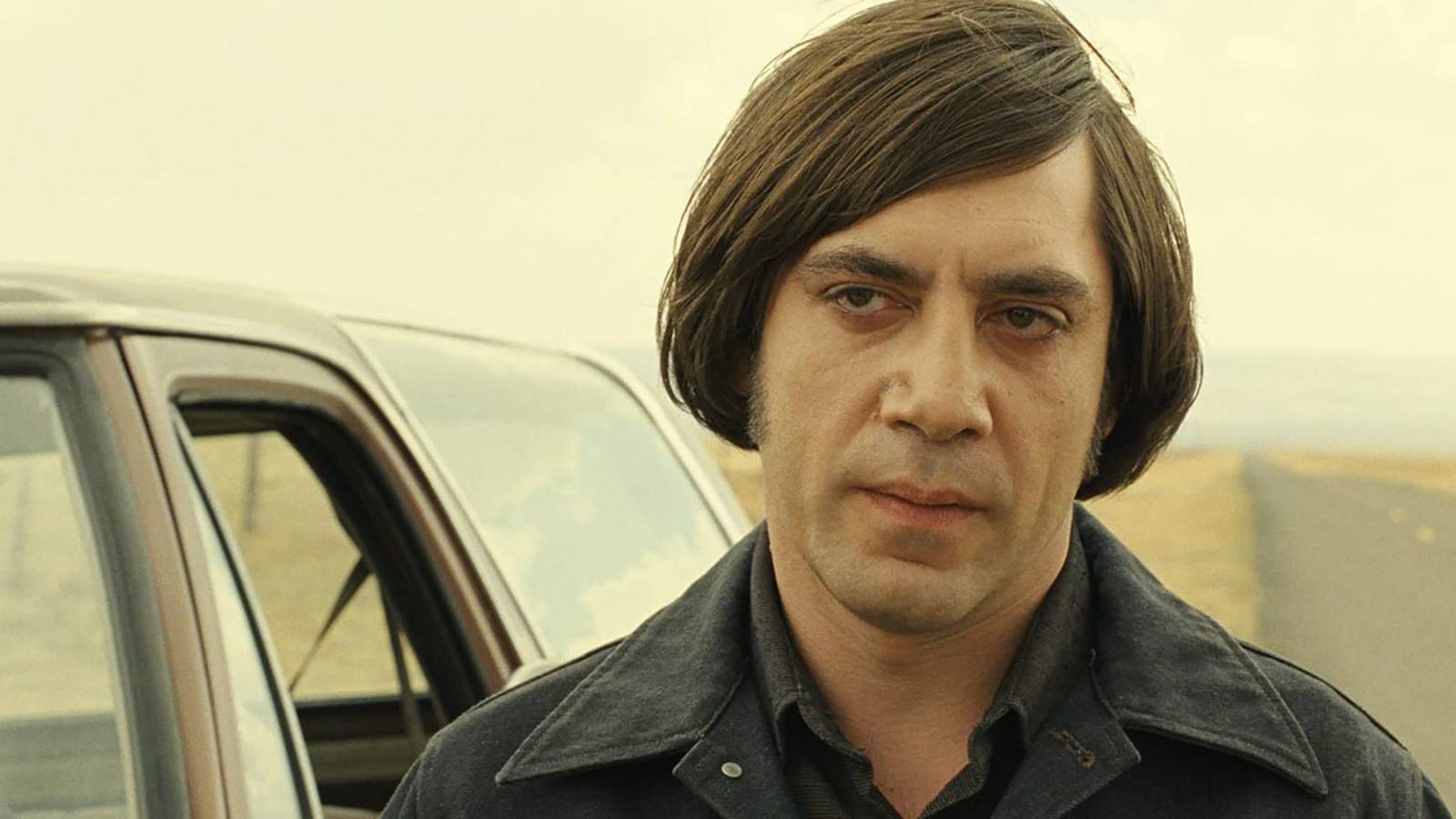
When Joel and Ethan Coen decided to close their Best Picture-winning No Country for Old Men with a single, ambiguous five-word line, they took a gamble that few filmmakers would dare. But then again, the Coens have never been ones to play it safe. Their 2007 neo-Western, adapted from Cormac McCarthy's novel, concludes not with a bang, but with a quiet, unsettling monologue from Sheriff Ed Tom Bell (Tommy Lee Jones) as he shares two dreams with his wife at their kitchen table. The final words—"And then I woke up"—serve as both the end of Bell's story and the film's abrupt, unforgettable fade to black. It's an ending that has sparked endless debate and solidified the movie's place as a genre-defining triumph.
A Chase That Redefined Tension
The bulk of No Country for Old Men is a masterclass in suspense, following Llewelyn Moss (Josh Brolin) as he stumbles upon a drug deal gone wrong and makes off with a suitcase full of cash. Hot on his trail is Anton Chigurh (Javier Bardem), a contract killer whose chilling philosophy and coin-flip morality make him one of cinema's most terrifying villains. The Coens strip the film down to its bare essentials—sparse dialogue, minimal score, and long, breathless silences—creating an atmosphere where every scene feels like a held breath. Yet, just as the cat-and-mouse game reaches its peak, the film takes a sharp turn: Moss is killed off-screen, a random act of violence that underscores the story's central theme. In this world, crime often goes unpunished, and even the most sociopathic characters can walk away unscathed.

The Dreams That Define a Generation
With Moss gone, the narrative shifts entirely to Bell, a lawman who has spent the entire film one step behind the chaos. His final scene is not a shootout or a showdown, but a quiet confession to his wife about two dreams. In one, his father gives him money; in the other, they ride through snowy mountain passes, only for his father to ride ahead into the darkness. Bell wakes before he can follow, and the film cuts to black. These dreams are rich with symbolism—money, mortality, and the eternal search for paternal approval—but their clearest message is about the futility of clinging to old values in a world that has moved on. Bell's subconscious is telling him what he already fears: that the modern era has no place for men like him.
A Reflection of Its Time
Released in 2007, No Country for Old Men arrived during a period when American cinema was grappling with themes of violence, greed, and uncertainty. Alongside films like There Will Be Blood and Zodiac, it captured a national mood of disillusionment in the shadow of ongoing wars and economic anxiety. Bell's powerlessness resonated with audiences who felt similarly battered by the times. His final line is not just a personal lament but a collective one—a recognition that in the relentless pursuit of wealth, death is the only certainty. Tommy Lee Jones delivers the monologue with a cold, unromantic sincerity that mirrors Chigurh's own detachment, blurring the line between lawman and outlaw. In the modern Western, as in the world at large, everyone eventually succumbs to the despair of the new order.
For those who appreciate the genre's evolution, No Country for Old Men stands alongside other modern takes like Taylor Sheridan's Yellowstone, which also explores the clash between tradition and progress. And for fans of the Coens' storytelling, the film's ambiguous ending is a hallmark of their style, much like the unforgettable screenplays that define their best work. The film's final five words may be simple, but they carry the weight of an entire era, making No Country for Old Men not just a great Western, but a profound meditation on the human condition.