Few artists could channel cultural turmoil through their instrument like Jimi Hendrix. While his technical prowess revolutionized guitar playing, it was his ability to translate raw emotion into sound that cemented his legend. This was never more evident than in his searing anti-war statement, "Machine Gun," a track whose definitive version unfolds across a monumental twelve-minute live performance.
A Sonic Battlefield
Released in 1970 amid the escalating conflict in Vietnam, "Machine Gun" stands as Hendrix's most direct musical commentary on war. He moves beyond simple lyrics, using his Stratocaster to construct an immersive audio landscape. Every wailing note, percussive thump, and shriek of feedback was meticulously crafted to mimic the horrors of combat—the stutter of automatic fire, the whir of helicopters, the blast of explosions, and the cries of the fallen.
Hendrix introduced the song at a Berkeley concert with a poignant dedication: "to soldiers fighting in Berkeley... and the soldiers fighting in Vietnam too." He extended the sentiment to those fighting "wars within themselves," broadening the song's message to encompass universal struggle. The extended jams in the live version weren't mere showmanship; they were essential to building this harrowing, visceral experience.
An Unlikely Soldier's Journey
Ironically, the musician who so powerfully decried war had a brief stint in the military himself. At 18, facing jail time for riding in stolen cars, Hendrix chose to enlist in the Army. Assigned to the 101st Airborne, he found the regimented life stifling and was discharged after about a year. He later described it as "nothing but physical training and harassment."
Yet, this period yielded a crucial creative partnership. While stationed, he met bassist Billy Cox, who heard him practicing guitar. Their shared passion led them to form a band after their discharge, and Cox would later become a key collaborator on Hendrix's posthumous releases. This chapter proved that even in the most restrictive environments, Hendrix's artistic spirit couldn't be silenced.
Woodstock and a Distorted Anthem
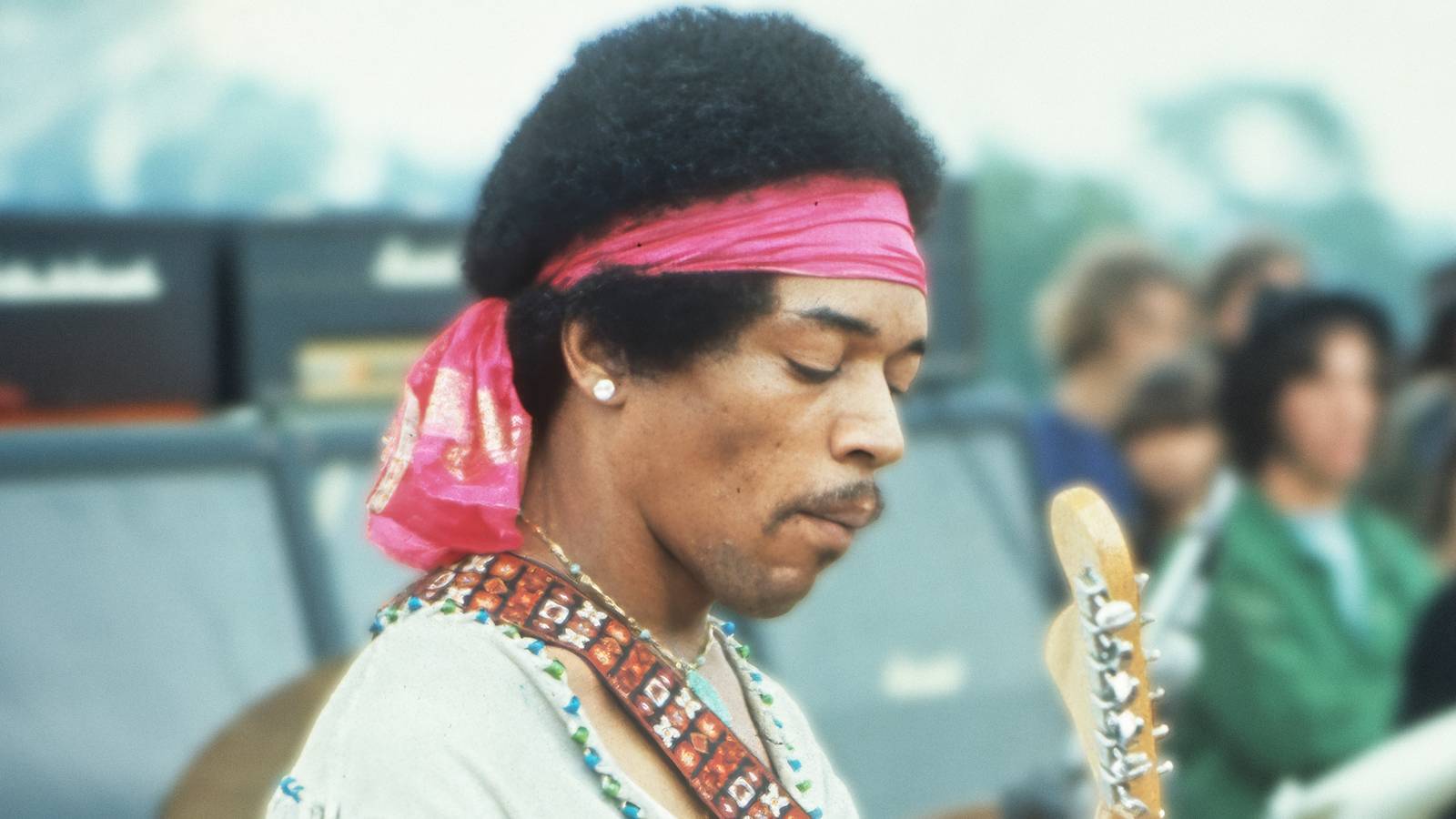
Hendrix's protest wasn't confined to one song. His iconic 1969 Woodstock set, delayed until Monday morning before a dwindling crowd, culminated in a radical, instrumental rendition of "The Star-Spangled Banner." Through layers of distortion and feedback, he deconstructed the national anthem, transforming its familiar melody into a cacophonous reflection of a nation divided by war. It was less a performance than a public reckoning, using America's own hymn to question its actions.
Like Hendrix's ability to find melody in noise, great storytelling often finds power in unexpected places. For instance, some of cinema's greatest moments derive their impact from a single, perfectly framed image that says more than any dialogue could.
The Legacy of a Guitar Hero
Hendrix's genius lay in his synthesis of influences—the deep soul of the blues met the explosive potential of rock amplification. He couldn't read music, but he studied greats like B.B. King, absorbing their language and then forging his own. "Machine Gun" represents the peak of this alchemy: rooted in blues tradition but violently propelled into the modern age, it is both a technical marvel and an uncompromising emotional document.
Today, the song's power remains undiminished. It serves as a timeless reminder of art's capacity to confront hard truths. In an era filled with shorter media, Hendrix's commitment to a sprawling, challenging masterpiece is a testament to artistic courage. For fans seeking impactful stories in a more concise format, modern audiences can find similar narrative potency in the best short-form TV shows that deliver depth without demanding a huge time investment.
From the battlefields of Vietnam to the muddy fields of Woodstock, Jimi Hendrix used his guitar as a microphone for a generation's angst. "Machine Gun" endures not just as a guitar solo for the ages, but as one of music's most potent and unforgettable acts of protest.