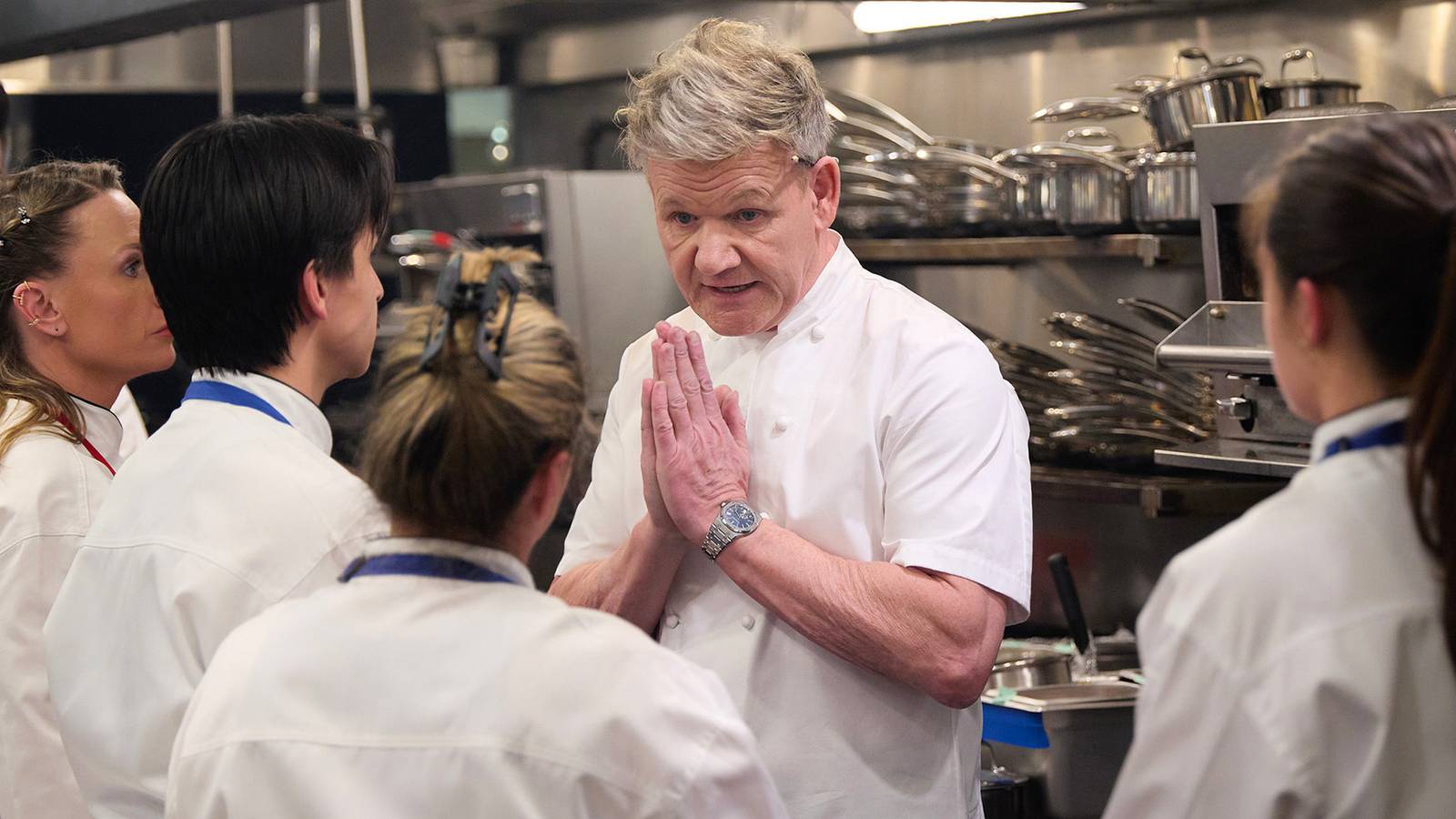
Deep in Toronto's Distillery District, Cluny Bistro & Boulangerie is the kind of place that makes you want to straighten your jacket. With its marble bar, tiled floors, and unmistakable Parisian flair, it's a setting built for elegance. But on a chilly winter evening, the atmosphere was anything but calm. Gordon Ramsay, dressed in full chef whites, stood near the kitchen entrance, water bottle in hand, watching as a stream of diners filed in. This wasn't just another night at Cluny—it was the set of MasterChef's legendary Restaurant Takeover, and the Top 6 were about to face their most grueling test yet.
We'd already spent time on the MasterChef set earlier in the day, but this challenge felt different. The show's usual kitchen is a controlled chaos, built for competition. Here, the contestants had to step into a working restaurant and make it function as if they'd been running it for years. The cameras were everywhere, but the stakes were real: a full dining room, a ticking clock, and no room for error.

The Chaos of Real Service
Restaurant Takeover splits the Top 6 into two teams, each responsible for appetizers and entrees. But unlike the show's usual challenges, there's no safety net. The orders keep coming, the diners expect their food hot and on time, and any hesitation can spiral into disaster. Joe Bastianich, who usually judges from the sidelines, was right in the thick of it, managing the dining room. "I take the orders, I bring them to Gordon. If the plates don't come, I answer," he told us. "I'm intimately involved."
Bastianich's goal is simple: give diners the same experience they'd get on any normal night at Cluny. "I value creating an authentic restaurant experience with quality—fast timing, flavors, temperatures, beautiful dishes that taste good," he said. For a group of home cooks, that's a monumental ask. But that's exactly the point. By this stage of the competition, cooking isn't the differentiator anymore. It's about speed, consistency, and teamwork under pressure.
When Service Starts to Fall Apart
So what's the first sign that a service is going off the rails? For Bastianich, it's not a burnt plate or a dropped sauce. It's when the kitchen stops moving. "The biggest red flag is when the first orders start coming in, and they're not responding and not moving in the process towards cooking the plates," he explained. "And then it starts to spin out of control."
Watching from the edge of the open kitchen, we saw exactly what he meant. The contestants' faces told the story—furrowed brows, quick glances, and the occasional deep breath. One delay leads to another, and suddenly the dining room is full of impatient guests. It's a pressure cooker, and there's no hiding from it.
Ramsay's Philosophy: Guide, Don't Fix
Gordon Ramsay has spent weeks mentoring these cooks, and he wants to see them apply everything they've learned. "I want the best, and so some of those challenges are culinary training. I just want them to shine," he said. But he's clear about his role: he'll help you identify the problem, but he won't solve it for you. "You give me a problem, I'll come back to you with a solution, but you're going to execute that solution," he added.
That distinction is crucial in a real restaurant. Ramsay can stand at the pass and call out tickets, but he can't cook six people's food. The contestants have to find their own rhythm, and that requires more than just technical skill. Tiffany Derry, a recurring judge, emphasized the importance of listening. "I think that being a leader, especially here at MasterChef, you have to lead, but you also have to listen," she said. "I don't think the leader is just the loudest voice."
As the night wore on, it became clear why Restaurant Takeover is considered one of the most daunting challenges in MasterChef history. It's not just about cooking—it's about surviving. And for the Top 6, there's no room for error. One bad delay can change everything.
For more on what's leaving streaming soon, check out our list of departing titles and HBO Max removals.