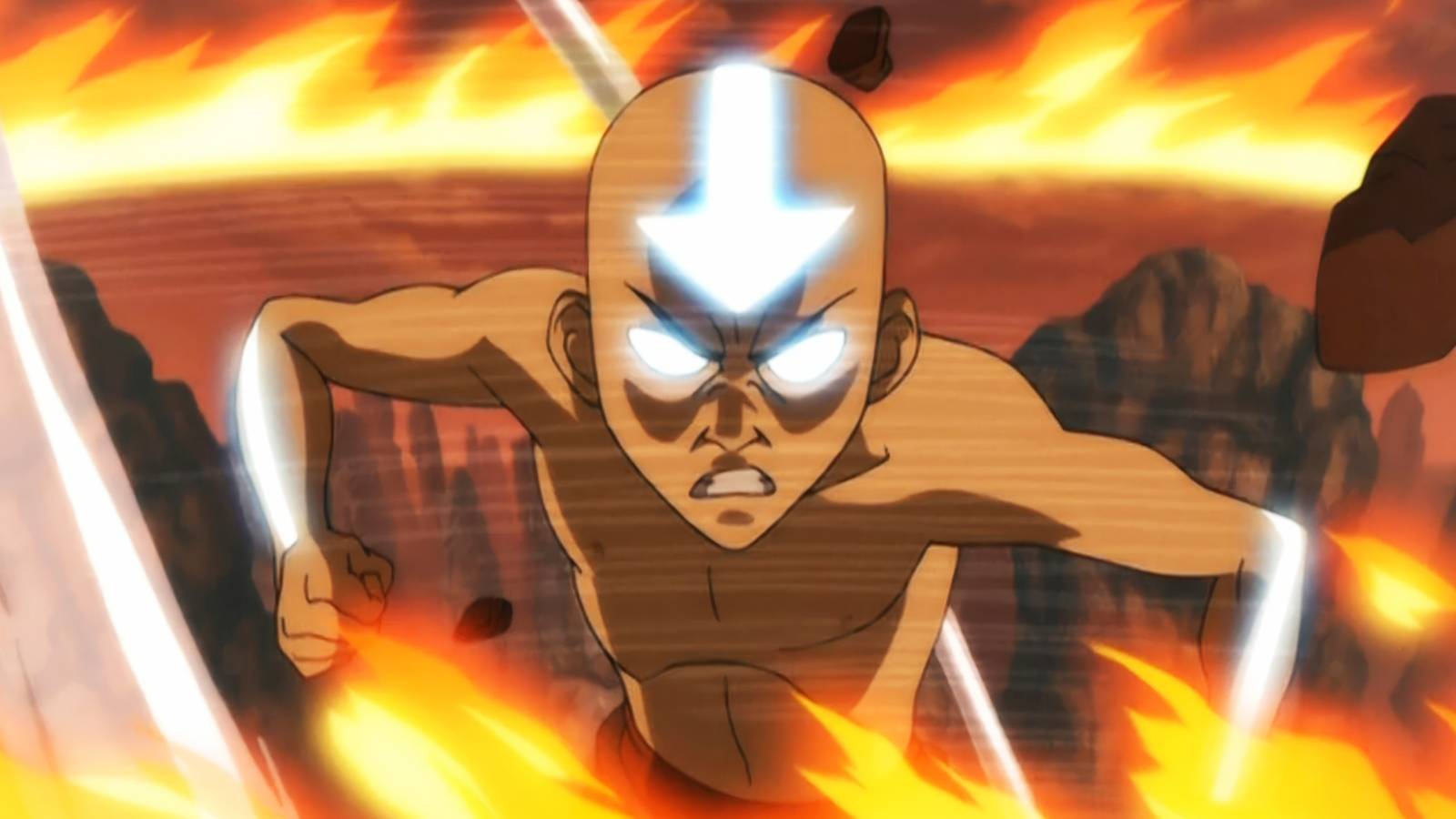
For nearly two decades, Avatar: The Last Airbender has set a high bar for fantasy storytelling. It wasn't just about elemental battles—every fight revealed character, culture, and consequence. That same depth is what makes Fonda Lee's Jade City the perfect next read for anyone still chasing that ATLA high.
On the surface, both worlds share East Asian influences and martial arts traditions. But the real connection runs deeper: both treat extraordinary abilities not as flashy superpowers, but as cultural disciplines shaped by history, responsibility, and sacrifice. In Jade City, jade enhances the already-trained Green Bone warriors of Kekon, granting them superhuman strength and speed—but only after years of rigorous training. Mishandle jade, and it can destroy you. That's a philosophy any Avatar fan will recognize.
Martial Arts as Culture, Not Just Action
Lee writes combat with the same intentionality as the animated series. Every duel—whether a clean blade fight or a street brawl—feels physical and deliberate. Punches shift alliances, knife strikes change political landscapes, and every victory comes with a price. Sound familiar? That's because Avatar always made sure its action served the story, not the other way around.
This isn't a chosen-one narrative. Jade City gives its characters agency and power, then lets them carry the full weight of the narrative. Loyalty to family becomes as dangerous as any weapon, and every triumph demands a sacrifice. It's the same emotional calculus that made Zuko's redemption arc one of fantasy television's defining moments.
The Kaul Family: Emotional Weight Like Team Avatar
Just as Avatar thrived on its characters, Jade City centers on the Kaul family. Lan leads with compassion but must make hard decisions as peace erodes. Hilo's fierce loyalty is both his strength and his weakness. Shae returns home to escape clan politics, only to be pulled back in. Anden grapples with identity and belonging. None of them fit neatly into hero or villain roles—they make mistakes, lash out, and protect each other even when furious.
These relationships evolve naturally, giving the book its emotional punch. It's the same reason fans still talk about Ba Sing Se: every political decision affected ordinary people. Jade City asks the same questions Avatar and The Legend of Korra did: How much should a society change? What traditions deserve preserving? When does protecting your culture become holding it back?
Lee never lectures. Those questions emerge through boardroom negotiations, family arguments, gang rivalries, and spectacular martial arts confrontations that always have consequences beyond the fight itself. For fans who loved how F.C. Yee's Yangchen novels expanded the Avatar universe, Jade City offers a similarly rich, adult take on those themes.
If you're looking for a fantasy epic that treats martial arts as culture, family as both strength and burden, and every victory as costly, Jade City is your next obsession. It doesn't try to recreate bending or rehash Aang's journey. Instead, it tells the same kind of story—but from a different point in life, and just as compelling.