Long before superhero series dominated television, a different kind of DC Comics adaptation quietly made its mark. Fox's Human Target, based on the character created by Len Wein and Carmine Infantino, arrived during a transitional era for television. Streaming services were just emerging, and the genre landscape was shifting. This series carved out a unique space as a high-octane action drama with a comic book soul, yet it never received the audience it deserved.
A First Season That Nailed the Formula
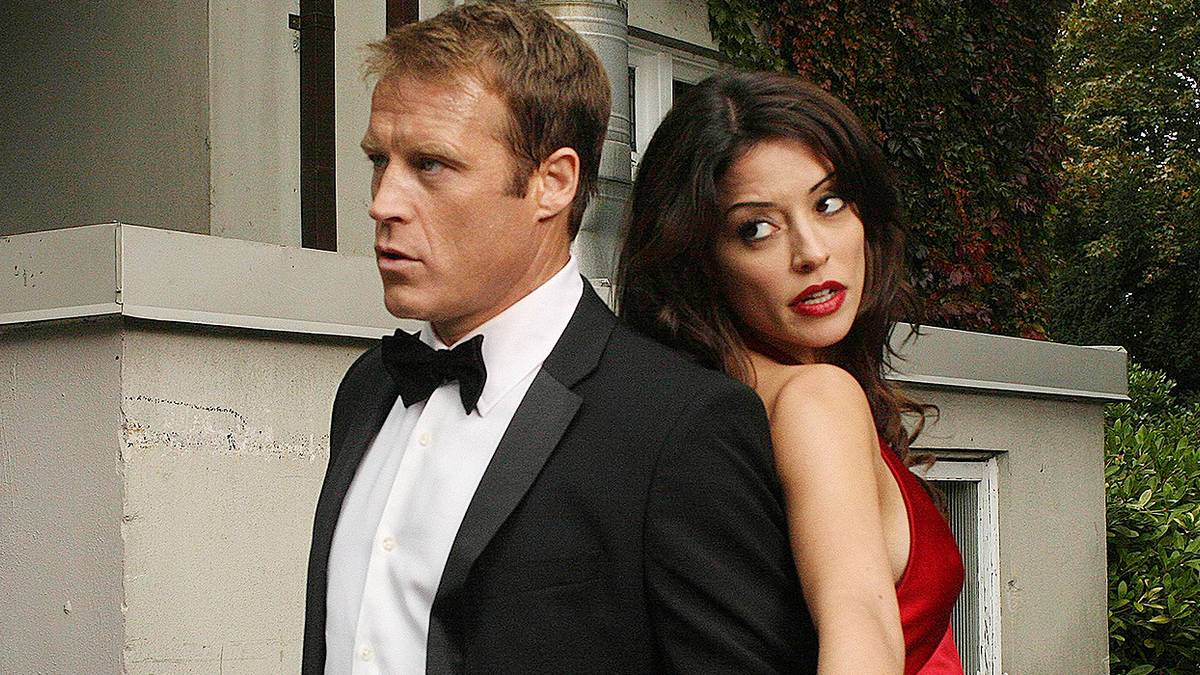
The show introduced viewers to Christopher Chance, a reformed assassin played with rugged charm by Mark Valley. Chance operated as a professional protector, inserting himself into dangerous situations as a literal human shield for clients in peril. He was backed by a stellar ensemble including Chi McBride as his no-nonsense partner, Laverne Winston, and Jackie Earle Haley as the enigmatic and resourceful Guerrero. The chemistry was immediate, with each episode presenting a new, inventive mission filled with creative set pieces—from mid-air brawls on a jetliner to tense confrontations in claustrophobic spaces.
Human Target thrived on a pulpy, self-contained adventure style. It felt like a weekly comic book come to life, complete with dynamic action and a sense of fun, all set to Bear McCreary's iconic orchestral score. It was a show that understood its identity, offering clever thrills without needing capes or cosmic threats. For fans of grounded action, it was a revelation, standing apart from the more fantastical superhero stories that would soon flood the airwaves.
How a Second Season Lost Its Way
Unfortunately, the show's promising run was derailed in its second year. New leadership arrived with a mandate to change the show's successful formula. In an attempt to make it 'sexier' and more comedic—akin to shows like Chuck—the producers introduced new characters, including a wealthy benefactor played by Indira Varma. This shift altered the team's gritty, resource-scrambling dynamic, making their operations feel less personal and more corporate.
Even more egregious was the abandonment of ongoing storylines and, most painfully, the replacement of McCreary's thrilling score with generic pop music. The new opening credits were a jarring departure that even the showrunner later admitted was a mistake. These changes diluted what made the series special, alienating its core audience and ultimately leading to its cancellation after just two seasons. It's a classic case of a show being retooled until it broke, joining the ranks of other great series cut down before their time.
The Case for a Streaming Resurrection
Today, Human Target stands as a buried treasure for action fans. Its blend of spycraft, character-driven drama, and comic book sensibility feels more relevant than ever. While currently tucked away on a niche streaming service, it's primed for discovery on a major platform like Netflix, Max, or Hulu. A proper streaming home would allow a new generation to appreciate its sharp writing, committed performances, and expertly staged action.
The show's legacy is that of a near-perfect first season and a cautionary tale about network interference. It's a must-watch for anyone who enjoys the TV series that built modern action, offering a blueprint for how to adapt comic book material without relying on superpowers. Its premise of a man who becomes a target to save others remains a compelling hook, executed with a style that few shows have matched since.
In an era where audiences are constantly seeking out flawless series that deserve a second life, Human Target is a prime candidate. Its story of a flawed protector, much like the retired hitman in Netflix's 'Sakamoto Days', resonates with viewers looking for character depth alongside their thrills. For those tired of sprawling cinematic universes, this series offers satisfying, mission-based storytelling with heart and a killer original score waiting to be rediscovered.