For centuries, Robin Hood has been the ultimate folk hero—a dashing outlaw who robs the rich to feed the poor, outwits the Sheriff of Nottingham, and rides off into the sunset with his merry band. From Errol Flynn's swashbuckling charm to Kevin Costner's rugged nobility and Disney's animated fox, the character has always been a symbol of incorruptible goodness. But Hugh Jackman's upcoming A24 film, The Death of Robin Hood, shatters that image completely.
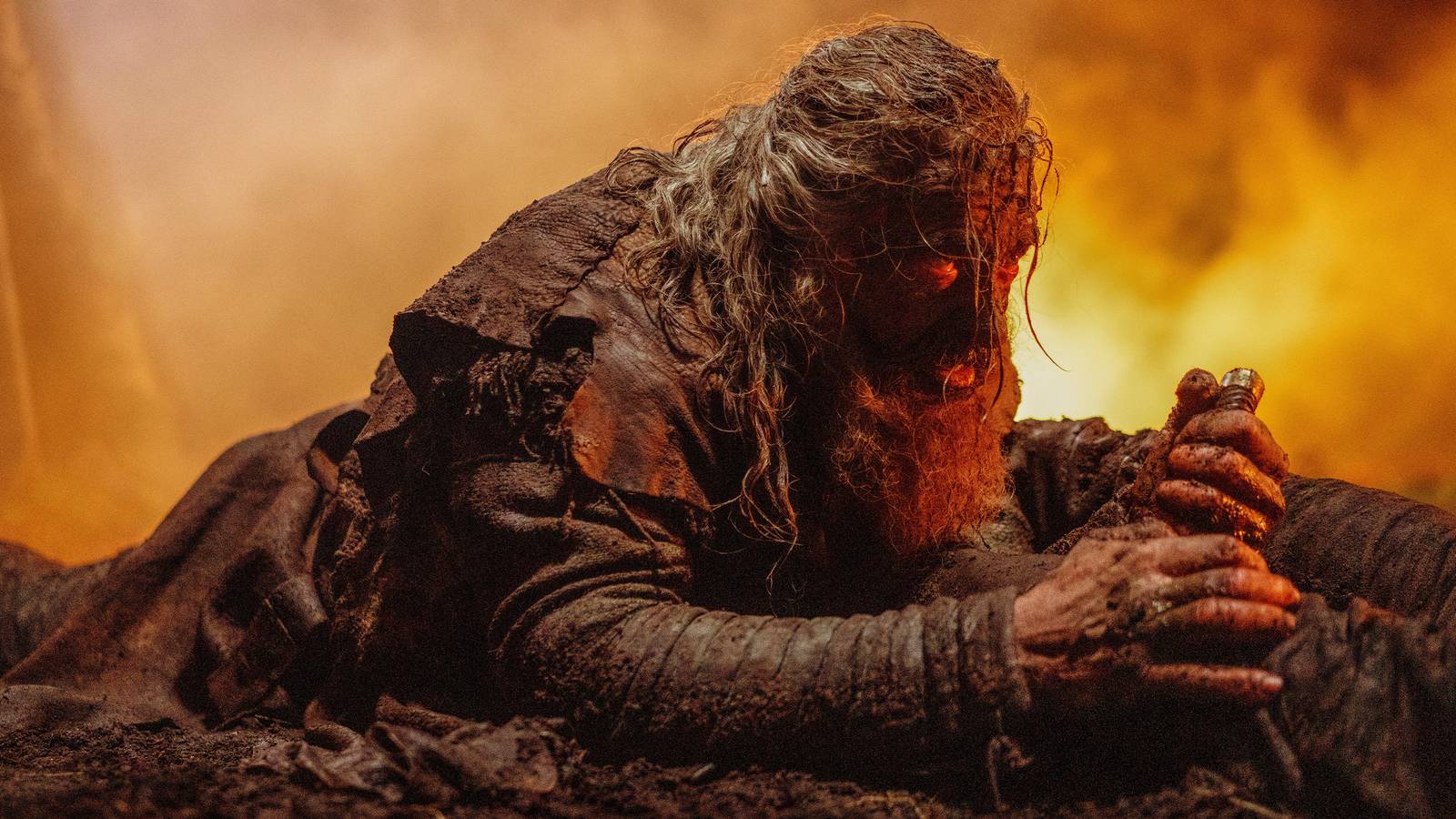
In this gritty reimagining, Jackman plays a weathered, isolated bandit hiding in the English hills—far from any companion. Written and directed by Michael Sarnoski, the film stars Jodie Comer, Bill Skarsgård, and Murray Bartlett. This Robin Hood isn't a hero; he's a bloodthirsty killer who doesn't hesitate to murder anyone who uncovers his secret. It's a radical departure from the lovable rogue we know—but surprisingly, it's also a return to the character's true roots.
The Dark Truth Behind the Legend
The earliest Robin Hood stories, emerging from a Europe ravaged by the Black Death, paint a far more brutal picture. These original tales portrayed an outlaw who operated outside conventional morality, solving problems through intimidation and violence. The Death of Robin Hood draws directly from a 17th-century ballad called Robin Hood's Death, one of the bleakest entries in the mythos. In that ballad, Robin seeks medical help from a prioress who betrays him; weakened by blood loss, his companions arrive too late, and the seemingly invincible hero dies alone. It's a stark reminder that even legends can't outrun time.
Jackman's portrayal embraces this contradiction. His Robin Hood is capable of unspeakable cruelty, but as he confronts his own mortality, he begins to develop compassion—seeing a world capable of more good than he ever imagined. Instead of celebrating the myth, the film interrogates it, forcing audiences to reconsider what makes a hero.
Why This Story Matters Now
The film's tagline—"He was no hero"—couldn't be more timely. In an era where we're reexamining our icons, The Death of Robin Hood arrives as a necessary corrective. The idea of stealing from the rich to give to the poor is inherently socialistic, a hot-button issue in modern America. The film asks: Would an ardent opponent of socialism still call Robin Hood a hero? By digging into the character's darkest origins, it challenges us to confront the uncomfortable truths behind our most beloved legends.
While the film hasn't been the commercial smash some hoped for, its message remains powerful. For fans used to fun, swashbuckling adventures, this version may feel like character assassination. But in reality, it's something rarer—a deep dive into the roots of a myth that has endured for centuries, rediscovering the raw, violent humanity at its core.
Jackman, no stranger to iconic roles, brings the same intensity he lent to Wolverine—another character with a dark past. (Fans wondering if he'll reprise that role can check out Hugh Jackman Hints Wolverine Could Join Avengers: Secret Wars.) And for those who prefer their Robin Hood more traditional, MGM+'s Robin Hood: The Game of Thrones Fix That's Still Dominating Streaming in July 2026 offers a familiar take.
The Death of Robin Hood may not be the hero we expected, but it's the one we need—a grim, unflinching look at the price of violence and the legacy we leave behind.