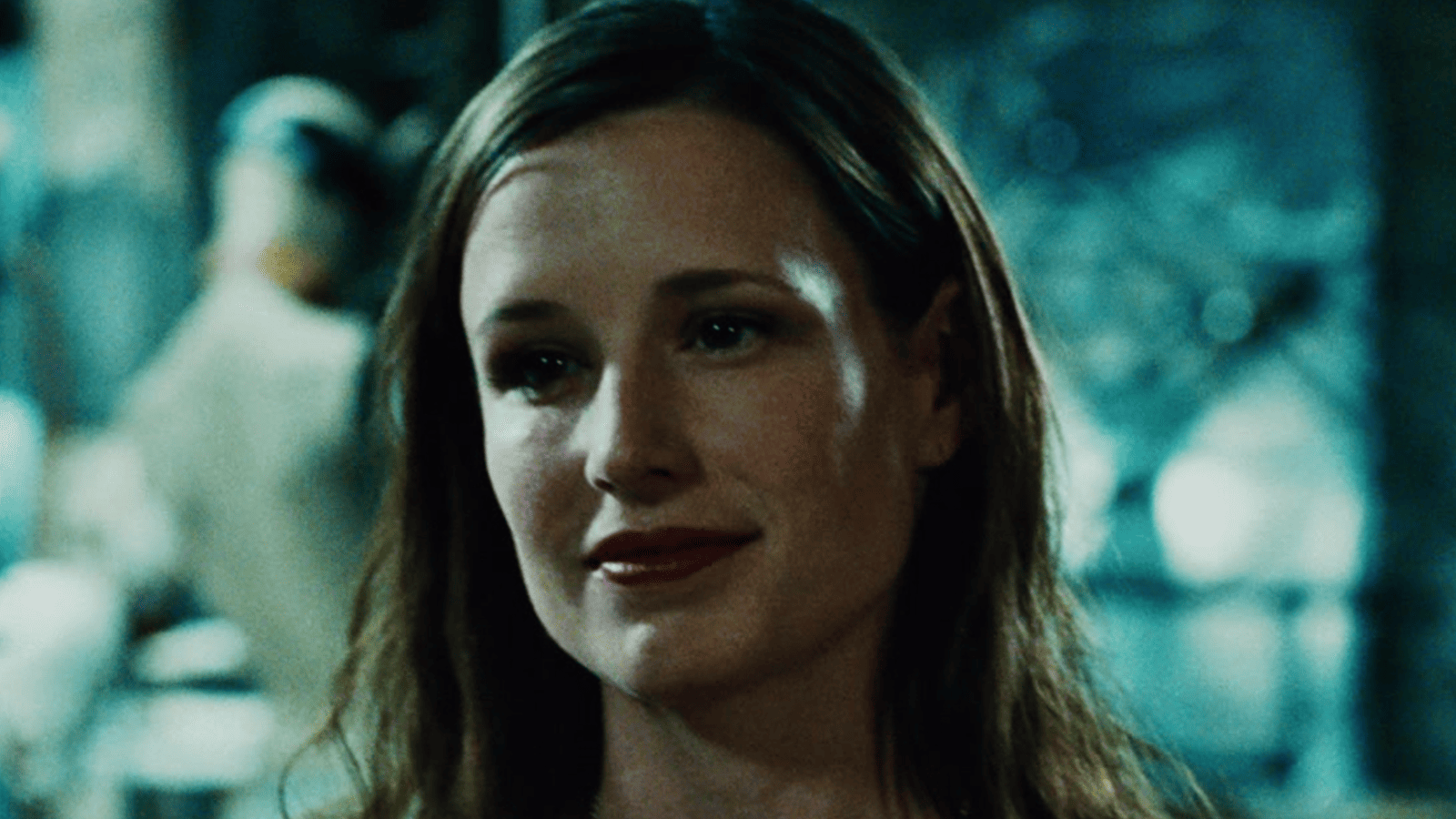
Horror series often start strong and fade, becoming predictable shadows of their former selves as sequels multiply. Yet one legendary franchise has bucked that trend for over twenty years, evolving in ways few thought possible. With several Saw films now available on Netflix, a new generation can discover why this series didn't just endure—it genuinely improved.
The Puzzle Box That Started It All
When the first Saw film debuted in 2004, it was a lean, claustrophobic thriller more concerned with psychological games than gore. Directors James Wan and Leigh Whannell crafted a twisty narrative that relied on mystery and perspective, setting a high bar for clever storytelling. This foundation of puzzle-box plotting became the series' secret weapon, encouraging later films to build an intricate, continuity-rich mythology where every detail mattered.
More Than Just Traps: A Consistent Philosophy
While infamous for its brutal contraptions, Saw's true strength lies in its unwavering thematic core. The franchise is built on the warped ideology of John Kramer, a villain who forces characters to confront their moral failings. This focus on consequences and a twisted appreciation for life gives the violence narrative purpose, elevating it beyond mere shock. The series' ability to explore how this philosophy spreads and mutates, even after the original villain's demise, is a key reason it avoided creative stagnation.
The Unshakable Anchor: Tobin Bell's Iconic Villain
Critical to the franchise's identity is Tobin Bell's chilling portrayal of Jigsaw. His calm, almost serene delivery makes the character's horrific philosophy profoundly unsettling. Bell's performance provides a tonal anchor that grounds the increasingly elaborate sequels, offering continuity that few long-running horror series enjoy. It's hard to imagine the franchise maintaining its distinct feel without his central presence.
This level of narrative ambition sets Saw apart from many horror peers. For fans of complex storytelling, it shares DNA with series like Castle Rock: The Stephen King Adaptation That Mastered Psychological Horror, where the terror is as much cerebral as it is visceral.
Why the Franchise Still Captivates
Saw understands its audience. It never abandons the tense, consequence-driven formula that defined it, yet it avoids creative stagnation by deepening its own lore. The series transformed from a simple cat-and-mouse thriller into a legacy narrative, asking not just who Jigsaw was, but what his ideology ultimately wrought. This evolution allowed it to outlast contemporaries that relied solely on nostalgia or escalating gore.
Its arrival on Netflix is perfectly timed for both rediscovery and first-time viewings. In an era where streaming revives classic franchises, Saw stands as a benchmark for how to grow a horror property with intelligence. It proves that a series can stay true to its roots while expanding its world in compelling ways, much like how Scream maintains relevance by cleverly deconstructing genre tropes across decades.
For viewers who appreciate performances that define a genre, Bell's work ranks alongside other transformative horror roles, such as Anya Taylor-Joy's debut in 'The Witch', which also proved that quiet intensity can be utterly terrifying.
A Legacy Forged in Nerve, Not Just Nerve Gas
Two decades in, the Saw franchise's Netflix debut is more than a catalog addition—it's an invitation to revisit a horror saga that dared to get smarter. By prioritizing psychological tension, narrative continuity, and a compelling central philosophy, it crafted a legacy that continues to influence the genre. For fans and newcomers alike, the game is very much still on.