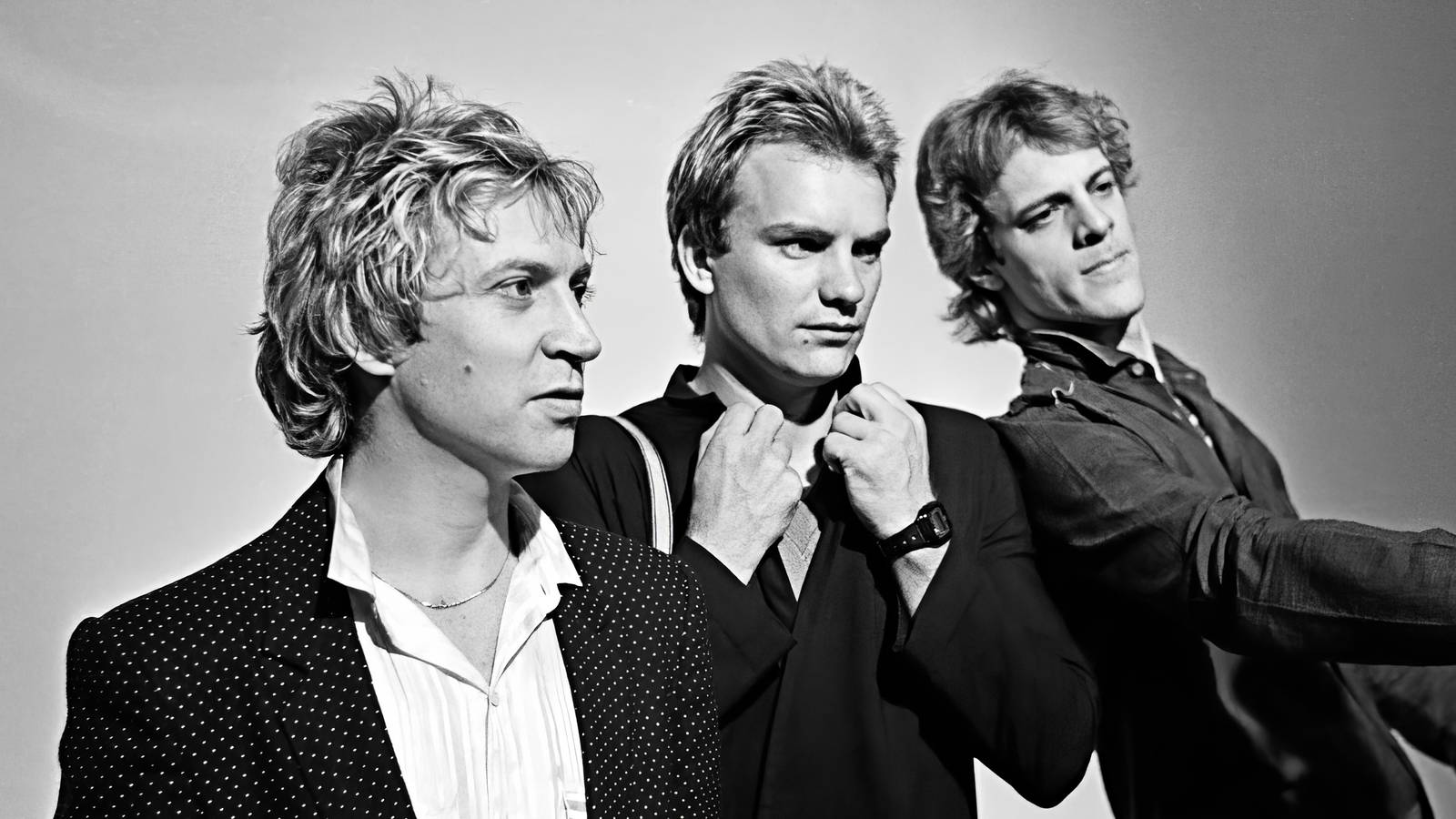
Music has a magical way of taking on new meanings, often far from what the artist originally intended. That's exactly what happened with The Police's 'So Lonely,' a standout track from their debut album Outlandos D'Amour. In the early 1980s, during Brazil's military dictatorship, this song became an unlikely protest anthem thanks to a witty musician named Leo Jaime.
Jaime, who had just left the rockabilly band João Penca e seus Miquinhos Amestrados to pursue a solo career, found himself at odds with the country's censorship department. The head of that department, Solange Hernandes, was notoriously strict and had a particular disdain for Jaime's work. She censored his entire debut album, effectively killing its chances of success. Frustrated, Jaime titled it Phodas "C", a play on the Brazilian expression for 'f*ck it.'
While working on his second album, Sessão da Tarde, Jaime was reading a book of The Police lyrics in his Rio de Janeiro apartment, which he shared with fellow rocker Leoni. He came across 'So Lonely' but didn't remember the song. Leoni joked that it was called 'Solange,' a nod to how similar the name sounds to the title. That joke sparked an idea, and the two quickly got to work on a new version.
The result was 'Solange (So Lonely),' a track that brought together some of the biggest names in 1980s Brazilian rock. Jaime took lead vocals, with Paula Toller of Kid Abelha providing ethereal backing vocals. The power trio Os Paralamas do Sucesso—guitarist Herbert Vianna, bassist Bi Ribeiro, and drummer João Barone—served as the backing band, often considered the Brazilian heirs to The Police. The song is heavier than the original, both in melody and in message.
At first listen, 'Solange (So Lonely)' might seem like a typical heartbreak song, but a closer look reveals its true target. Jaime directly addresses Solange Hernandes, telling her to 'stop censoring me' and promising revenge. The loneliness and frustration in the lyrics stem not from lost love, but from the inability to express oneself freely under her oppressive rule.
Solange was infamous for her iron-fisted control over Brazilian culture. Known as the 'Dame of the Scissors,' she was compared to Margaret Thatcher and censored everything she deemed subversive. A recent study estimates she was responsible for censoring around 2,517 songs, 173 movies, 42 theater plays, and 87 soap opera episodes. Her clashes with artists were legendary, affecting not just Jaime but also icons like Rita Lee, who referenced her in the song 'Arrombando o Cofre.' Even soap operas took jabs at her, with the authoritarian character Colonel Sinhozinho Malta in Roque Santeiro reportedly modeled after her.
The military dictatorship in Brazil ended in 1985 following the Diretas Já movement, and with it came the fall of censorship. Solange and her colleagues tried to cling to power, but democracy left no room for their oppressive practices. Interestingly, when 'Solange (So Lonely)' was released, Solange herself was reportedly pleased and even asked for an acoustic version to share with friends. It was one of her last acts as censorship head, as she largely disappeared from public view afterward.
When Sting and The Police wrote 'So Lonely,' they likely never imagined it would become a protest song. But just seven years later, it did—transformed into a powerful anthem against authoritarianism and censorship. 'Solange (So Lonely)' stands as a testament to the resilience of artists and the enduring power of music to challenge oppression. For more on how classic songs take on new life, check out our piece on albums that redefined musical darkness.