Classic rock isn't all sunshine and anthems. Some of its most enduring works delve into the shadows, exploring the morbid, the melancholic, and the outright terrifying. These albums aren't just background noise; they're cathartic experiences, perfect for screaming along or setting the mood for a spooky night. Here are five dark classic rock records that remain as captivating as they are unsettling.
The Cure's 'Seventeen Seconds' (1980)
Recorded in just seven days under tight budget constraints, The Cure's second album was a rushed affair that nonetheless birthed a gothic masterpiece. Following a turbulent tour with Siouxsie and the Banshees, the band channeled their internal strife into a brooding, atmospheric sound that would define goth rock. Though it sold poorly initially, frontman Robert Smith has always defended it, saying, "Sales don't mean anything... I still thought that it was a fantastic record." It's a testament to the band's pioneering spirit, even if it took decades for the world to catch up.
The Doors' 'Strange Days' (1967)
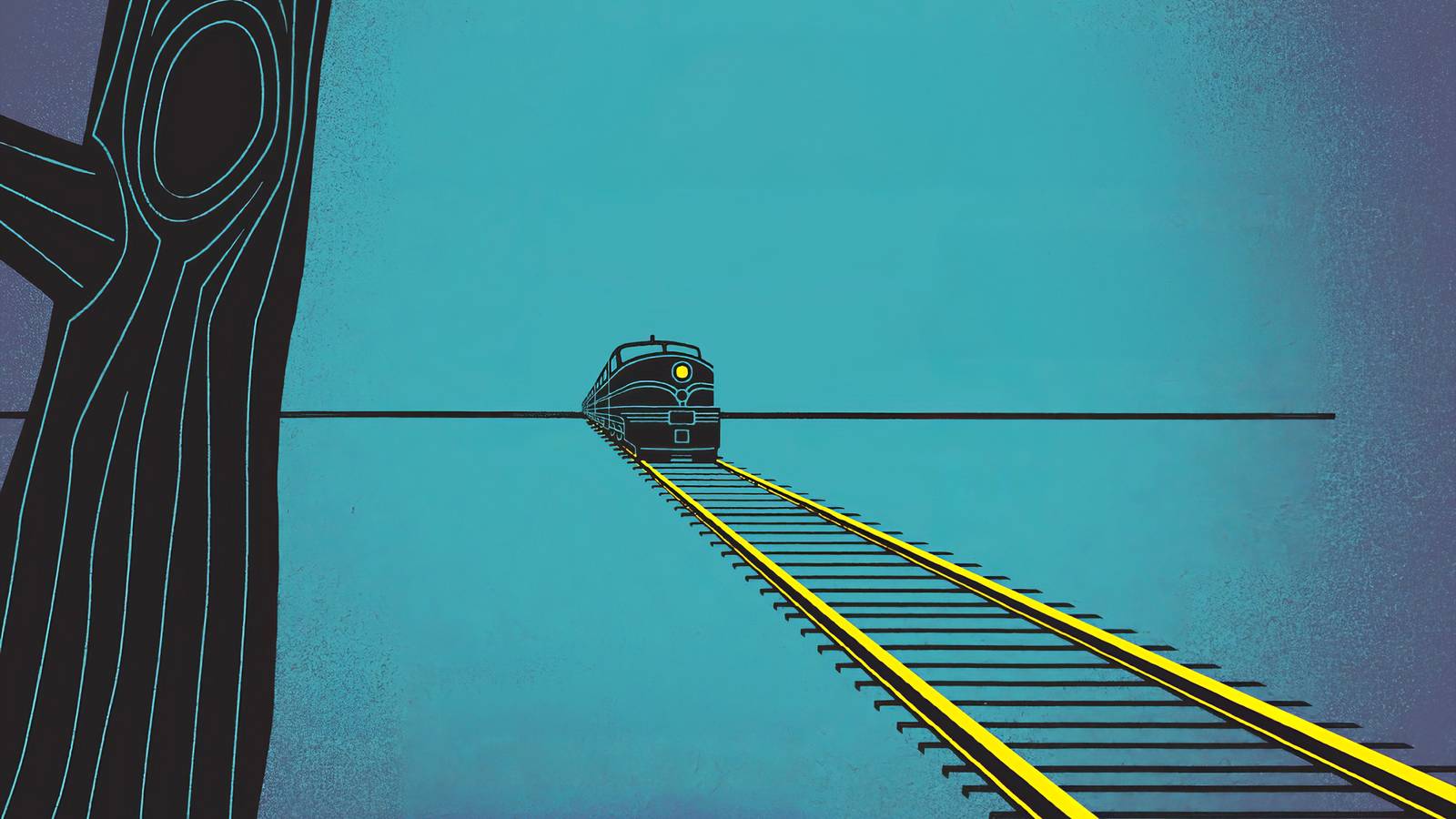
Hot off their debut's success, The Doors expanded their psychedelic sound into darker territory with Strange Days. The album's title proved prophetic, as Jim Morrison was grappling with suicidal thoughts. Guitarist Robby Krieger recalled a pivotal walk up Laurel Canyon where Morrison had an epiphany: "When you're strange, then people are strange." That moment birthed the classic "People Are Strange," and the album stands as a haunting snapshot of a band on the edge.
Black Sabbath's 'Black Sabbath' (1970)
The self-titled debut from Black Sabbath is the blueprint for heavy metal's dark side. With its ominous title track, the band crafted a horror movie in musical form, told from the perspective of a man pursued by a demonic presence. Bassist Geezer Butler remembered the song coming together in just a couple of hours, with Ozzy Osbourne spontaneously delivering the lyrics. The album's raw vulnerability, as drummer Bill Ward noted, was its strength: "We allowed our vulnerability to stick out." It's a record that still sends chills down spines.
David Bowie's 'Diamond Dogs' (1974)
Bowie's post-Ziggy Stardust era was a dangerous, experimental period, and Diamond Dogs captures that chaos. The album was a fusion of various projects, a tearing apart of his previous persona to find something new. The cover art, featuring Bowie as a half-human, half-dog creature, is iconic in its unsettling imagery. It's a sprawling, ambitious work that shows an artist willing to risk everything for artistic evolution.
Pink Floyd's 'The Dark Side of the Moon' (1973)
While not as overtly dark as some, Pink Floyd's masterpiece explores themes of madness, greed, and death with a sonic precision that's both beautiful and disturbing. From the opening heartbeat to the final echoes, the album is a meditation on the pressures of modern life. It's a record that rewards deep listening, revealing new layers of anxiety and introspection with each play. Its enduring popularity is a testament to its ability to tap into universal fears.
These albums, each in their own way, prove that darkness can be a source of artistic brilliance. Whether you're seeking catharsis or just want to embrace the eerie side of rock, these records are essential listening. For more explorations of musical genius, check out our ranking of the best Beatles solo albums, or dive into the crime classics to stream now if you're in a darker mood.