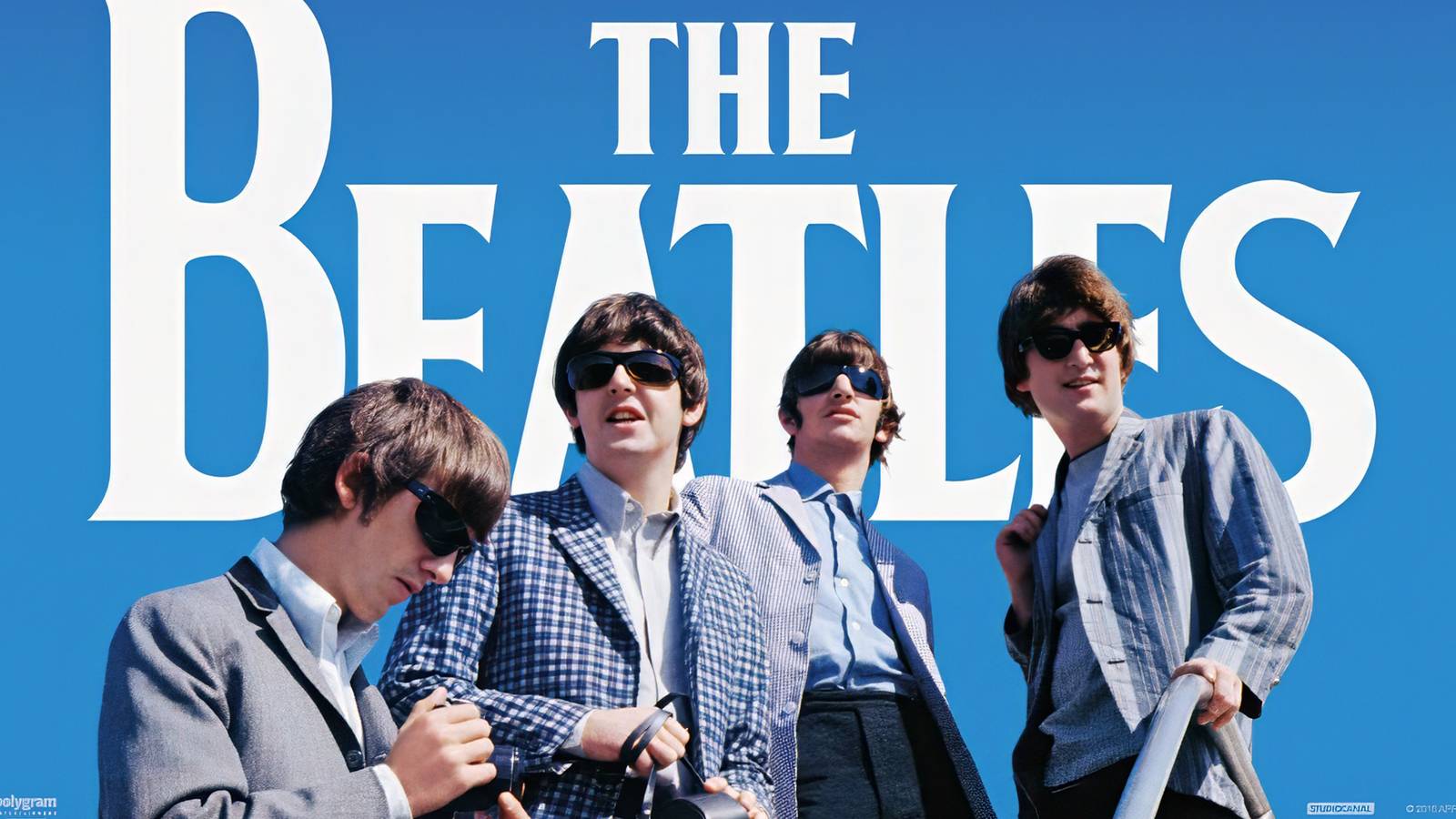
When the Beatles called it quits in 1970, the world mourned the end of an era. But the four lads from Liverpool had plenty more to say. Their solo careers were as distinct as their personalities—John's raw introspection, Paul's melodic pop, George's spiritual depth, and Ringo's easygoing charm. While their relationships were often strained, especially in the early '70s, they continued to inspire and occasionally collaborate with each other, creating a rich catalog that stands on its own.
10. Ringo (1973)
Ringo Starr's 1973 album Ringo is a testament to his unique position as the peacemaker of the group. At a time when the other three were barely on speaking terms, Ringo managed to get John Lennon and George Harrison to contribute. Harrison co-wrote hits like "Photograph" and "It Don't Come Easy," while Lennon penned "I'm the Greatest." Even Paul McCartney couldn't resist joining in, writing "Six O'Clock" with Linda. While the four never played together on the record, it's the closest we've ever come to a Beatles reunion.
9. McCartney (1970)
Paul McCartney's self-titled debut was initially seen as the album that broke the Beatles, and it faced harsh criticism upon release. But over time, McCartney has been reevaluated as a pioneering lo-fi masterpiece. Recorded entirely by Paul with help from Linda, it's a raw, intimate snapshot of his post-Beatles life. Songs like "Maybe I'm Amazed" showcase his songwriting genius, proving that even in its most stripped-down form, his talent shines.
8. Somewhere in England (1981)
George Harrison's Somewhere in England was born out of frustration. His label rejected his original version, forcing him to rework it. But the tragedy of John Lennon's death gave the album a new purpose. Harrison channeled his grief into "All Those Years Ago," a touching tribute that became a hit. The album is a mix of commercial compromise and heartfelt emotion, a poignant chapter in Harrison's solo career.
7. Plastic Ono Band (1970)
John Lennon's debut solo album is a raw, confessional work that laid his soul bare. Tracks like "Mother" and "Isolation" explore his childhood pain, while "Working Class Hero" is a biting political anthem. The album's centerpiece, "God," is a stunning declaration of disillusionment, where Lennon famously sings, "I don't believe in Beatles." It was a bold statement that signaled the end of an era and the birth of a new, unfiltered artist.
6. Imagine (1971)
John Lennon's second solo album is a study in contradictions. The title track is a utopian dream, but the album also contains the vicious "How Do You Sleep?," a direct attack on Paul McCartney. This duality makes Imagine compelling—it's both a plea for peace and a testament to the bitter feud that defined the early '70s. Songs like "Jealous Guy" and "Gimme Some Truth" round out an album that is as politically charged as it is personal.
5. Band on the Run (1973)
Paul McCartney and Wings hit their stride with Band on the Run, an album that proved McCartney could thrive outside the Beatles. Recorded in Lagos, Nigeria, under challenging conditions, the album is a polished blend of rock, pop, and orchestral flourishes. The title track and "Jet" are classics, and the album's cohesive sound made it a commercial and critical success, cementing Wings as a major force.
4. All Things Must Pass (1970)
George Harrison's triple album All Things Must Pass was a revelation. Bursting with songs that had been stockpiled during his Beatles years, it showcased his songwriting prowess. The epic "My Sweet Lord" became a global hit, while "What Is Life" and the title track are enduring favorites. Produced by Phil Spector, the album's lush, layered sound was a stark contrast to the Beatles' later minimalism, and it remains Harrison's crowning solo achievement.
3. Ram (1971)
Paul McCartney's Ram is often overlooked, but it's a gem. Co-credited to Linda, the album is a whimsical, eclectic mix of pop, rock, and even country. Songs like "Uncle Albert/Admiral Halsey" and "Too Many People" show McCartney's playful side, while the album's overall vibe is one of freedom and experimentation. It's a record that has grown in stature over the years, influencing countless artists.
2. John Lennon/Plastic Ono Band (1970)
While Imagine is more famous, John Lennon's debut is his most powerful statement. The album's raw, primal sound and brutally honest lyrics set it apart. "God" is a masterpiece of disillusionment, and "Working Class Hero" is a searing critique of society. This is Lennon at his most vulnerable and confrontational, an album that remains a touchstone for confessional songwriting.
1. All Things Must Pass (1970)
It's hard to top George Harrison's magnum opus. All Things Must Pass is not just the best Beatles solo album; it's one of the greatest albums of all time. Its ambition, spiritual depth, and sheer musicality are unmatched. From the anthemic "My Sweet Lord" to the poignant "Beware of God," Harrison crafted a work that transcends its era. It's a testament to his genius and a reminder that the quiet Beatle had the most to say.
For more rankings, check out our list of the best TV shows since 2000 or explore fantasy TV with perfect scores. And if you're a fan of cinematic thrills, don't miss DiCaprio's most electrifying thrillers.