In 2013, Disney took a gamble on a big-budget Western revival starring Johnny Depp and directed by Gore Verbinski, the visionary behind the Pirates of the Caribbean franchise. The result, The Lone Ranger, was a critical and commercial disappointment, losing the studio a fortune. But a decade later, this sprawling adventure is finally getting the recognition it deserves, and with its arrival on streaming in October 2026, a whole new audience can experience its wild, ambitious ride.
From the start, the project seemed cursed. Production costs ballooned, and early buzz was toxic. When it hit theaters, it was panned as a bloated mess, and it went on to become one of the biggest bombs in Disney's history, even outpacing the infamous John Carter disaster. Yet, for those who took the plunge, The Lone Ranger was a revelation—a visually stunning, action-packed spectacle that showcased Verbinski's unmatched craft.

A Western Reimagined
The film reimagines the classic radio and TV hero, John Reid, a Texas Ranger who dons a mask to fight injustice. Verbinski, working from a script that honors the original lore, introduces a framing device where an aged Tonto (Depp) recounts his adventures to a young boy in a museum. This allows for a more nuanced take on the character, who in the original series was a problematic stereotype. Here, Tonto is a complex, dignified figure, and Depp's performance is both quirky and heartfelt.
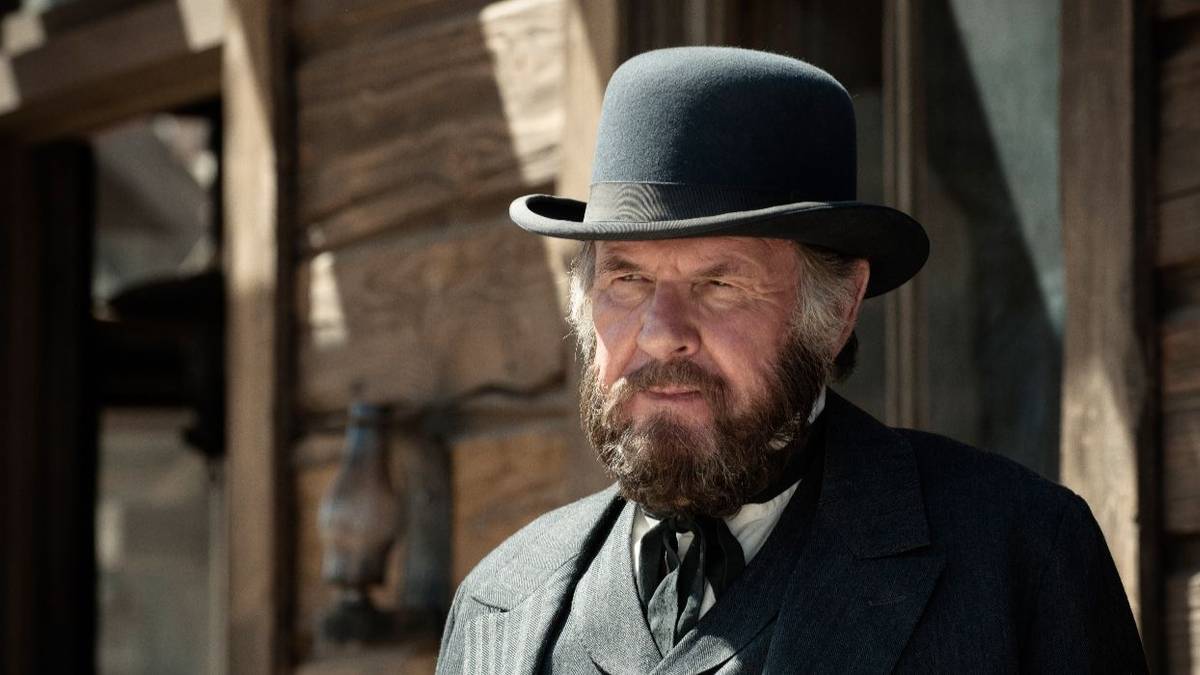
The villain, Butch Cavendish, played with chilling menace by William Fichtner, is transformed into a literal wendigo, a flesh-eating monster that adds a horror element to the proceedings. This is, without a doubt, the most violent film Disney ever released, with a body count that shocked parents and critics alike.
A Masterclass in Practical Effects
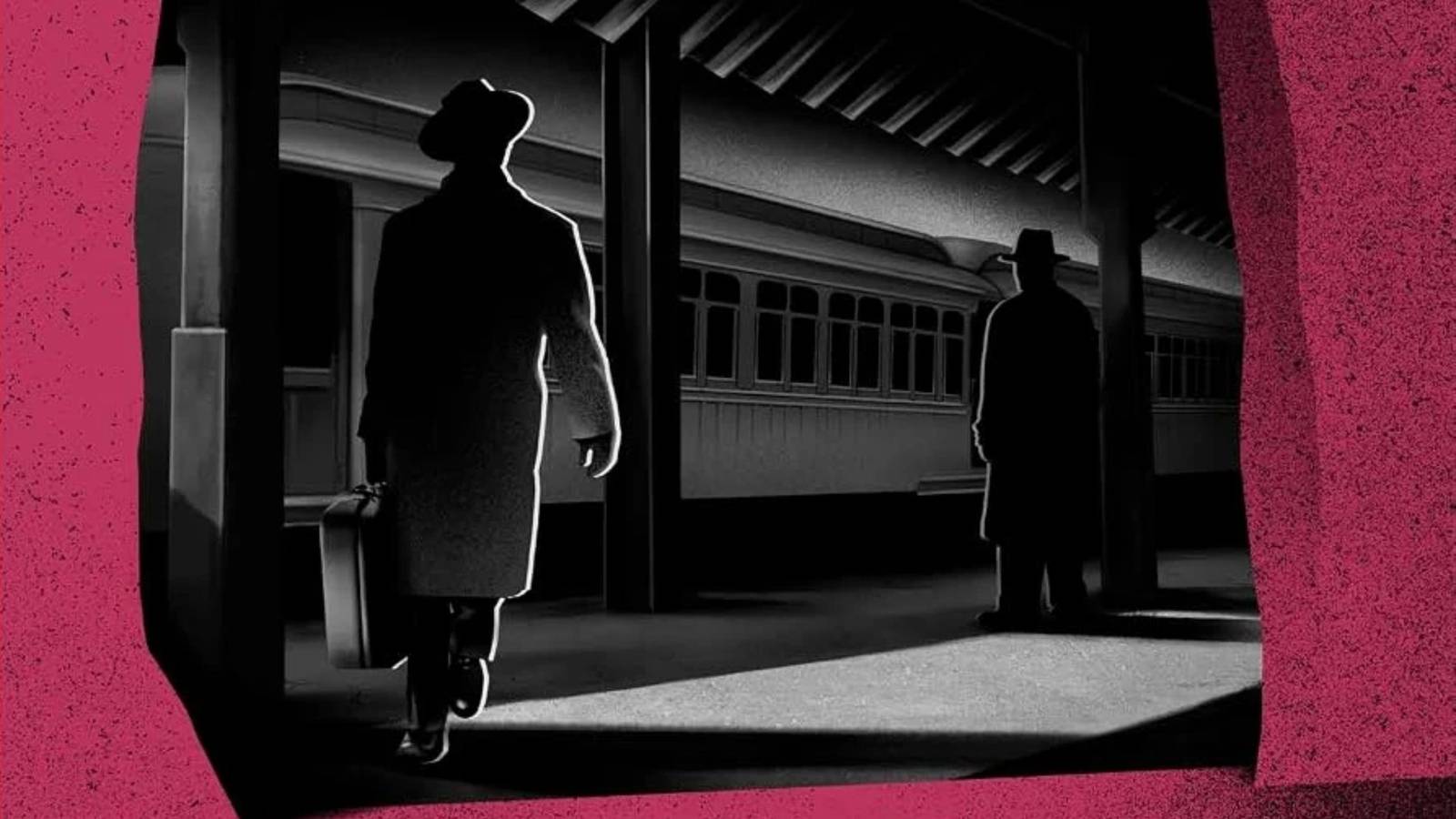
What truly sets The Lone Ranger apart is its commitment to practical filmmaking. Verbinski and his team at Industrial Light & Magic adhered to a self-imposed '50 percent rule,' meaning at least half of every shot had to be achieved in-camera. Real train cars were transported to the New Mexico desert, and a massive circus tent was erected to house the digital effects that would enhance the practical footage. The result is a chase sequence in the third act that is pure cinematic adrenaline—a breathtaking, largely practical set piece involving two trains, horses, dynamite, and stunts that rival the best of Buster Keaton or George Miller.
Hans Zimmer's score, which weaves in the iconic William Tell Overture, builds to a crescendo that will have you on the edge of your seat. It's a masterclass in pacing and editing, a reminder of what blockbuster filmmaking can achieve when it's driven by passion rather than committee.
Why You Should Rediscover It
In an era of CGI-heavy superhero flicks and endless sequels, The Lone Ranger stands as a testament to the power of practical effects and old-school storytelling. It's a film that wears its heart on its sleeve, offering the kind of awe-inspiring, analog spectacle that fans of the original Indiana Jones movies have been craving. If you're looking for a thrilling escape, this is it.
So, when The Lone Ranger gallops onto streaming in October 2026, do yourself a favor and give it a chance. It's a near-perfect thrill ride that deserves to be rediscovered. And if you're in the mood for more underrated gems, check out our take on another sequel that found new life on streaming.