Mario Puzo's The Godfather is undeniably a cornerstone of crime fiction, its legacy cemented by Francis Ford Coppola's iconic film adaptation. Together, they've shaped how we imagine Italian-American organized crime, introducing terms like "Don" and "consigliere" into the mainstream lexicon. Yet, for all its influence, it's far from the genre's pinnacle. The crime genre is vast and varied, and these eight books—spanning psychological thrillers, classic whodunits, and gripping true crime—offer richer narratives, more complex characters, and more profound insights into the human condition.
The Silence of the Lambs (1988)
Thomas Harris's masterpiece remains the gold standard for psychological suspense. The story follows FBI trainee Clarice Starling as she interviews the brilliant but monstrous Dr. Hannibal Lecter, hoping his insights will help catch another serial killer, Buffalo Bill. The novel's power lies in the electrifying dynamic between Clarice and Lecter—a battle of wits where every conversation is a high-stakes game of manipulation. Lecter is a terrifyingly sophisticated creation, and Clarice is a refreshingly vulnerable yet resilient protagonist. Even without Anthony Hopkins's legendary performance, this novel proves that the most frightening monsters are the ones who can hold a polite conversation.
The Murder of Roger Ackroyd (1926)
Agatha Christie's audacious classic is a masterclass in narrative trickery. When the wealthy Roger Ackroyd is found dead in his study, the village's newest resident, the retired Hercule Poirot, takes on the case. What follows is a parade of suspects, each with secrets and motives that keep readers guessing. Christie's genius lies in her ability to hide the truth in plain sight, and the shocking reveal still packs a punch nearly a century later. This is the book that redefined what a mystery could be, and it remains a must-read for any fan of the genre.
The Daughter of Time (1951)
Josephine Tey's novel is a brilliant departure from the traditional crime formula. Inspector Alan Grant, laid up in a hospital bed, becomes obsessed with the historical mystery of King Richard III and the Princes in the Tower. With the help of a researcher, he re-examines evidence that has been accepted for centuries, turning a cold case into a gripping intellectual puzzle. Tey's innovative approach—treating historical records like witness statements—makes for a detective story that is as thought-provoking as it is entertaining. It's a testament to the genre's ability to explore big ideas while still delivering suspense.
The Big Sleep (1939)
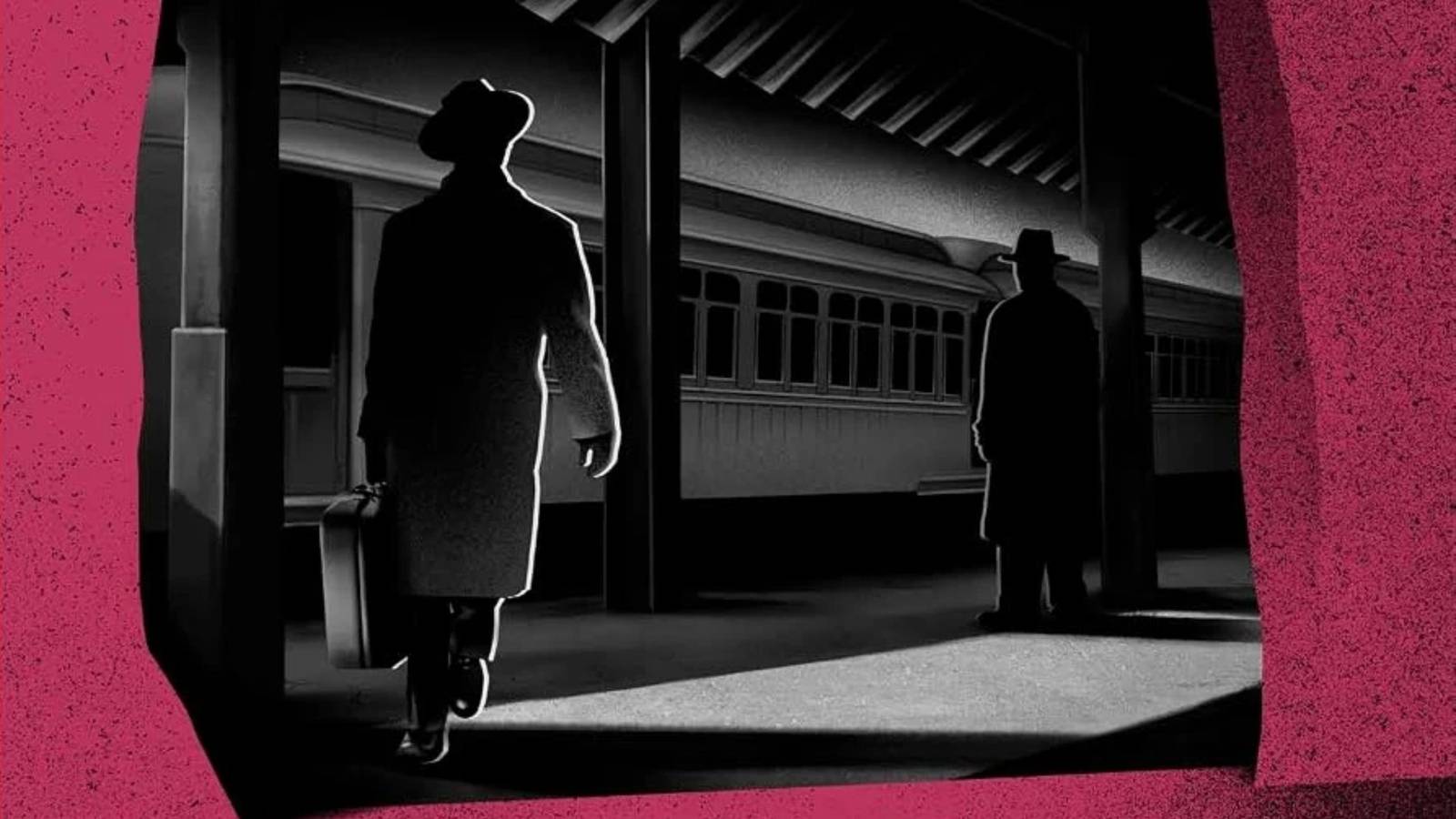
Raymond Chandler's debut novel introduced the world to Philip Marlowe, the quintessential hard-boiled private eye. Hired by a wealthy general to handle a blackmail case, Marlowe finds himself entangled in a web of murder, corruption, and deceit among Los Angeles's elite. The plot is famously convoluted, but the real draw is Marlowe himself—a cynical, wisecracking knight-errant who navigates a morally bankrupt world with his own code of honor. Chandler's prose is sharp and evocative, and The Big Sleep remains a defining work of noir, influencing countless writers and filmmakers. For more on the genre's cinematic legacy, check out our ranking of noir's best films.
London Falling (2026)
Patrick Radden Keefe, known for Say Nothing, turns his investigative eye to a modern mystery in this nonfiction thriller. The book reconstructs the death of Zac Brettler, a 19-year-old who fell from a luxury apartment balcony, initially ruled a suicide. But as Keefe digs deeper, he uncovers a world of fabricated identities, dangerous criminals, and the dark underbelly of London's elite. London Falling is a gripping blend of true crime and social commentary, offering a chilling look at how wealth and status can corrupt and destroy. It's a reminder that sometimes reality is stranger—and more disturbing—than fiction.
The Maltese Falcon (1930)
Dashiell Hammett's seminal noir introduced the world to Sam Spade, the template for the hard-boiled detective. When a beautiful woman hires Spade to find her missing sister, he's drawn into a hunt for a priceless statuette, the Maltese Falcon, that brings him into contact with a cast of unforgettable criminals. The novel is a taut, cynical thriller that never lets up, and Spade's moral ambiguity set a new standard for the genre. Hammett's influence on crime fiction is immeasurable, and this book is his crowning achievement. If you're new to noir, this is the perfect starting point.
These eight books demonstrate the incredible range of crime literature, from the psychological depths of Harris to the clever puzzles of Christie and the gritty realism of Keefe. While The Godfather will always hold a special place in the genre's history, these works prove that there are many more stories to tell—and many more ways to tell them. For more gripping reads, explore our list of under-the-radar gems or dive into Stephen King's best for a weekend.