Rod Serling's The Twilight Zone didn't just redefine television storytelling—it set the gold standard for psychological suspense. Airing from 1959 to 1964, the series proved that true terror doesn't rely on gore or jump scares. Instead, it thrives on a simple ticking clock, a secret someone will do anything to protect, or a truth that nobody will believe. While nearly every episode carries an undercurrent of unease, a select few crank the tension to unbearable levels.
These are the stories that trap travelers in impossible situations, pit neighbors against invisible foes, and blur the line between sanity and madness. So dim the lights, settle in, and prepare to enter a dimension not just of sight and sound, but of pure, unrelenting suspense. Here are the most suspenseful Twilight Zone episodes, ranked.
10. Mirror Image (Season 1, Episode 21)
Vera Miles delivers a masterclass in paranoia as Millicent Barnes, a woman stranded at a bus station on a rainy night who becomes convinced that her exact double is trying to take over her life. The episode's genius lies in its isolation—everyone she turns to dismisses her, and her frantic pleas only make her seem less credible. Miles balances terror with a desperate attempt to stay rational, leaving viewers unsure whether she's losing her mind or uncovering a horrifying truth.
The suspense peaks when a kind stranger (Martin Milner) offers help, but instead of relief, the story deepens the dread. The open-ended finale suggests the doppelgängers are just beginning their takeover, reminding us that the scariest invasion might be the one no one believes. For more unsettling tales of identity, check out our list of grimdark fantasy books that explore similar themes.
9. The Obsolete Man (Season 2, Episode 29)
Burgess Meredith stars as Romney Wordsworth, a librarian deemed obsolete by a totalitarian state that has banned books. Facing execution, he makes a chilling request: to choose the time and method of his death, and to have it televised. What seems like a harmless final wish becomes a nerve-wracking countdown as the Chancellor (Fritz Weaver) grows increasingly uneasy about what Wordsworth has planned.
The episode's tension comes from watching the powerful Chancellor squirm, wondering what the condemned man knows. As the final seconds tick away, the question becomes not whether Wordsworth will die, but who will break first. Serling's closing narration drives home the chilling point: a state that destroys the individual ultimately destroys itself.
8. Eye of the Beholder (Season 2, Episode 6)
This iconic episode builds suspense through concealment and delivers one of television's most shocking reveals. Janet Tyler (Donna Douglas) lies in a hospital bed, her face swathed in bandages, awaiting the results of her eleventh experimental procedure. The doctors and nurses remain hidden in shadow, their hushed voices adding to the unease. The entire episode hinges on a single moment: the unwrapping of the bandages.
As the camera adopts Tyler's point of view, the audience experiences her anxiety as the light grows brighter. When the bandages come off, we see the faces of the "normal" people—and the twist is devastating. The standard of beauty is inverted, and Tyler's frantic flight through the hospital leaves viewers questioning their own definitions of beautiful and ugly. It's a suspense that never fully releases, lingering long after the credits roll.
7. The Invaders (Season 2, Episode 5)
Agnes Moorehead gives a tour-de-force performance in this nearly wordless episode. She plays a woman living alone in a remote farmhouse when a tiny spacecraft lands on her roof. What follows is a relentless battle for survival as miniature armed men stalk her through the dark, creaking rooms. Moorehead conveys panic, exhaustion, and fierce determination through her physicality alone, making the silence deafening.
Director Richard Donner turns the cramped farmhouse into a battlefield, with every creaking stair and scraping footstep setting the audience on edge. The scale of the conflict creates a unique kind of suspense—how can a woman fight an enemy she can barely see? The episode's twist ending recontextualizes everything, making it a must-watch for fans of modern horror TV that relies on atmosphere over gore.
6. The Shelter (Season 3, Episode 3)
When a nuclear attack warning sends a neighborhood scrambling for shelter, only one family has a bomb shelter—and it's built for one family. As panic sets in, friends and neighbors turn into desperate mobs, pounding on the door and demanding entry. The episode is a brutal commentary on human nature, showing how quickly civility crumbles when survival is at stake.
The suspense is relentless, building from tense negotiations to outright violence. The final twist—that the alarm was a false one—only deepens the horror, as the characters realize they've destroyed their relationships for nothing. It's a chilling reminder that the real monsters are often the people next door.
5. The Midnight Sun (Season 3, Episode 10)
In this episode, the Earth is drifting toward the sun, and temperatures are soaring. Lois Nettleton plays a woman trapped in her sweltering apartment, watching the world slowly cook. The suspense comes from the inescapable heat, the dwindling water supply, and the madness that creeps in as the thermometer climbs.
The episode's atmosphere is suffocating, with every drop of sweat and every flicker of light adding to the dread. The twist ending—that it was all a dream, but the dreamer is freezing to death—is a gut punch that redefines the entire story. It's a masterclass in building tension through environmental horror.
4. The After Hours (Season 1, Episode 34)
A woman shopping in a department store becomes trapped after hours, and the mannequins seem to be watching her. As the night progresses, she realizes she's one of them—a mannequin who has been allowed to live as a human for a month, and now must return to her display case. The suspense is psychological, as she fights to hold onto her humanity while the store's other mannequins close in.
The episode's claustrophobic setting and eerie atmosphere make it a standout. The final shot, of the woman frozen in her display case, is haunting. It's a story about identity and the fear of losing oneself, themes that resonate in some of the best modern fiction.
3. The Monsters Are Due on Maple Street (Season 1, Episode 22)
When the power goes out on a suburban street, neighbors begin to suspect that aliens are among them. Paranoia spreads like wildfire, and soon everyone is accusing everyone else of being a monster. The episode is a chilling allegory for McCarthyism, showing how fear can turn ordinary people into a mob.
The suspense is in the escalating accusations, the whispered suspicions, and the final breakdown of trust. The twist—that the aliens are watching from afar, delighted by the chaos—is a bitter pill. It's a timeless warning about the dangers of fear and suspicion.
2. Nightmare at 20,000 Feet (Season 5, Episode 3)
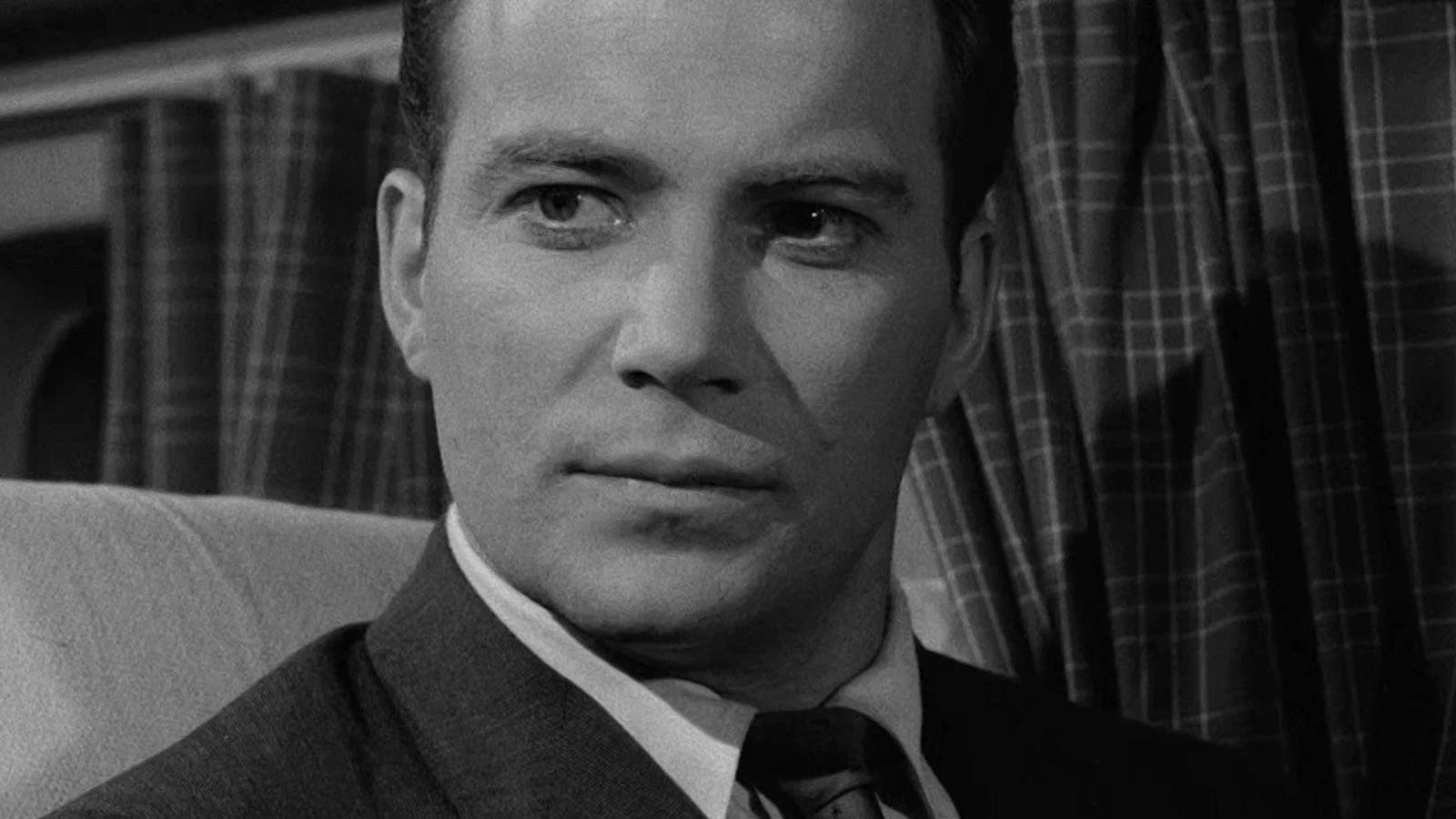
William Shatner stars as a man recovering from a nervous breakdown who, while flying home, sees a gremlin on the wing of the plane. No one else sees it, and his frantic attempts to warn the crew only make him seem more unstable. The suspense is in the isolation—he's trapped in a metal tube at 20,000 feet, with no one believing him.
The episode's genius is in making the audience question whether the gremlin is real or a figment of his imagination. Shatner's performance is iconic, and the final shot of the gremlin's face is unforgettable. It's a perfect example of how The Twilight Zone could turn a simple fear into a masterpiece of suspense.
1. The Howling Man (Season 2, Episode 41)
Topping our list is this chilling tale of faith and doubt. A man seeking shelter in a remote monastery discovers a prisoner locked in a cell—a man who claims to be innocent, but the monks insist he is the Devil. The visitor, played by H.M. Wynant, is torn between his rational instincts and the monks' warnings.
The suspense builds as the prisoner's pleas grow more persuasive, and the visitor's curiosity turns to sympathy. When he finally releases the prisoner, the truth is revealed: the man is indeed the Devil, and his release unleashes chaos on the world. The episode's final narration, "The Devil is loose on Earth," is a chilling reminder of the consequences of doubt. It's a masterful blend of psychological and supernatural horror, and the ultimate example of The Twilight Zone's ability to keep viewers on the edge of their seats.
For more suspenseful viewing, check out our list of thriller series that nail it in 8 episodes or less, or dive into Netflix's perfect 100% Rotten Tomatoes shows for more binge-worthy tension.