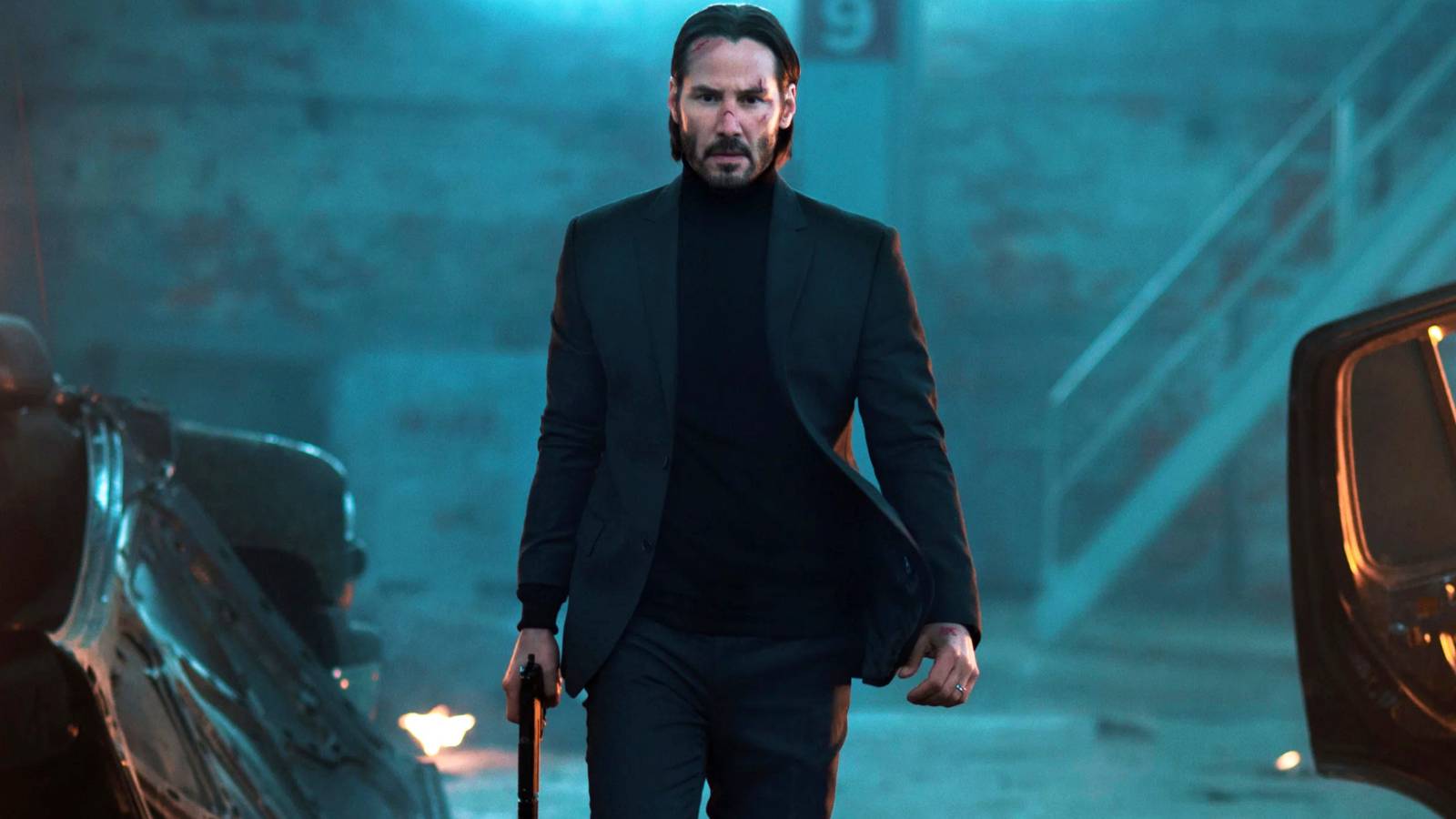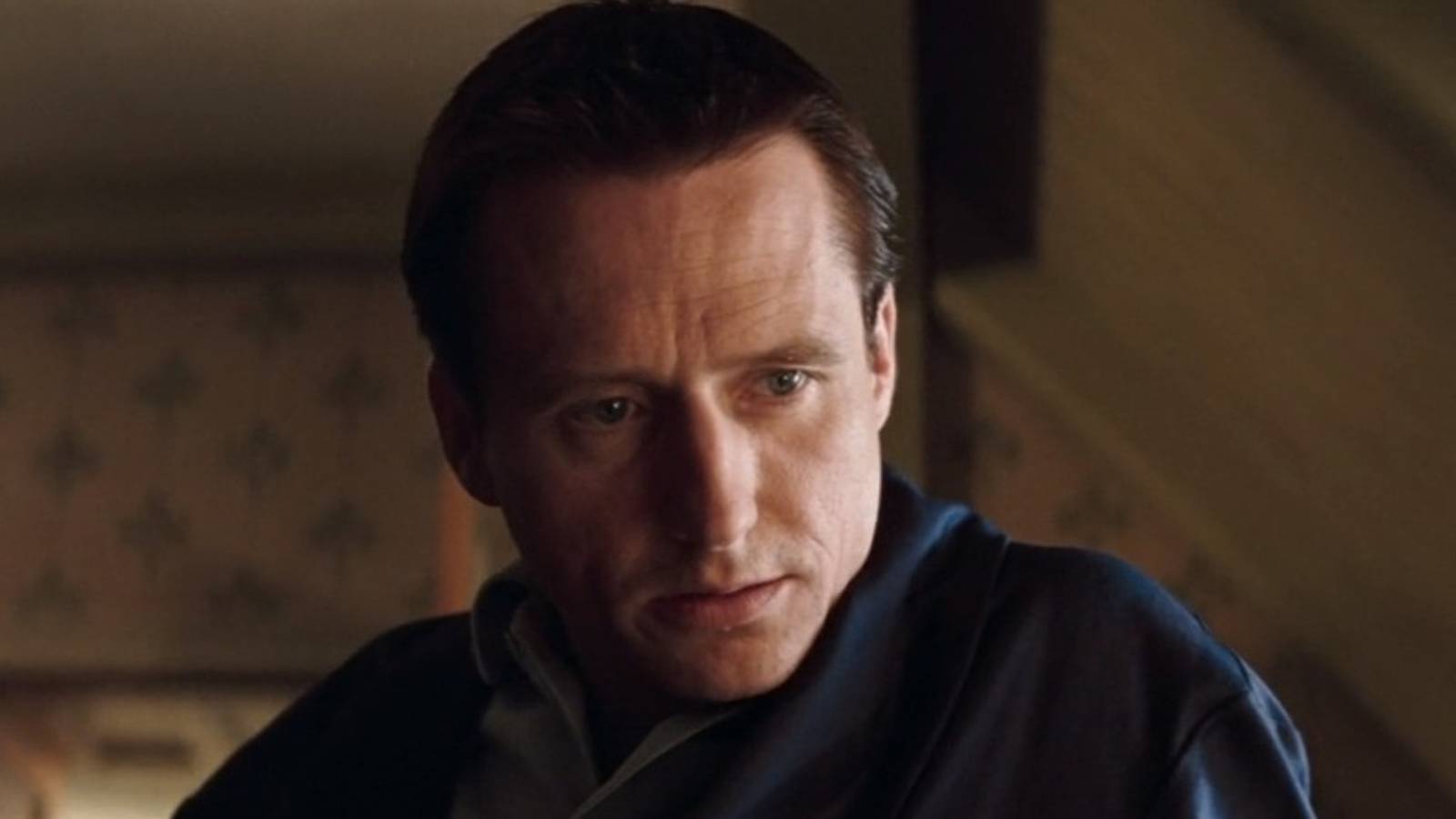
Christopher Nolan has never been one to repeat himself. From noir mysteries to superhero sagas, sci-fi head-scratchers to historical dramas, his filmography is a masterclass in variety. Yet beneath the surface of each wildly different project lies a remarkably consistent set of obsessions: time, identity, guilt, sacrifice, and the fine line between heroism and hubris. Now, with The Odyssey, Nolan has made what might be his most personal film yet—a mythological epic that doesn't just adapt Homer's ancient poem but distills every theme he's explored across 13 movies into one sweeping, spectacular journey.
When the project was first announced, some fans scratched their heads. A Greek myth? From the director who prides himself on grounded realism, even in films like Inception and Tenet? But as the film's massive box office and critical acclaim have shown—sailing past $264 million—Nolan knew exactly what he was doing. The Odyssey isn't a departure; it's a homecoming.

Nolan's Heroes: Ordinary People in Extraordinary Circumstances
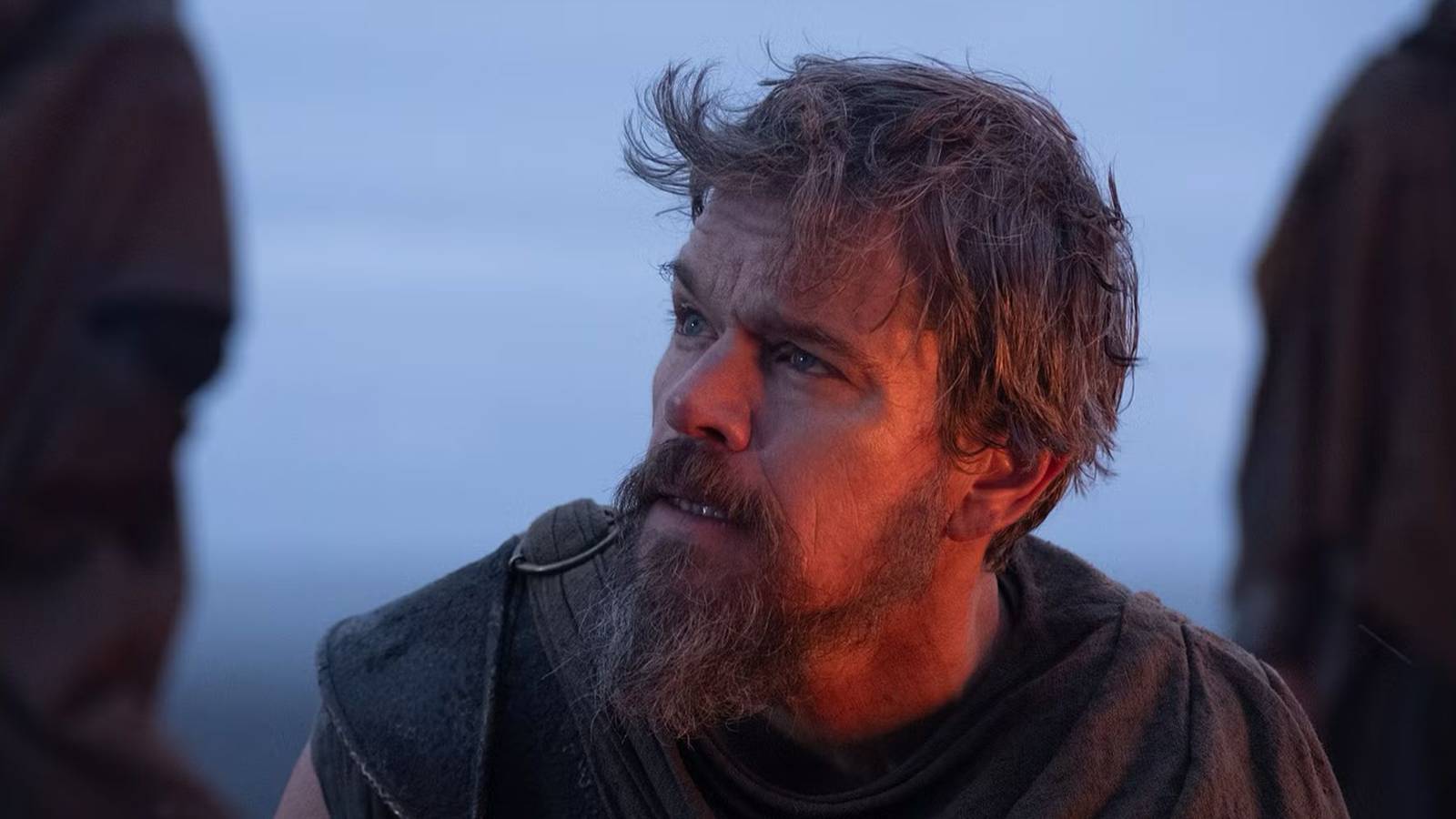
From J. Robert Oppenheimer's prideful pursuit of knowledge to Bruce Wayne's self-destructive crusade, Nolan's protagonists are defined by how they handle pressure that could unravel anyone. Dom Cobb in Inception wrestles with PTSD and a past he can't escape. Odysseus, played by Matt Damon, fits right into that lineage. He's a Greek general stranded far from home, facing monsters, gods, and his own guilt after sacking Troy. Nolan's version of Odysseus feels less like a classical hero and more like a Nolan original—a man whose greatest strength (his cunning) becomes his curse.
What makes Odysseus relatable, despite his mythic setting, is his humanity. He and his men burned a city and slaughtered its people, earning divine punishment. We may not have committed such sins, but we know guilt. Nolan grounds the fantastical—gods, cyclopes, an underworld—in emotional truth, making Odysseus's struggle feel as real as any of his previous characters.
Spectacle and Dread: The Nolan Blockbuster Touch
Of course, Nolan doesn't forget the spectacle. The fall of Troy unfolds like a horror sequence, the Greek army's gleeful massacre both thrilling and horrifying. Every arrow, every explosion is visceral, a technique he honed in Dunkirk and Interstellar. The encounters with the Cyclops, Scylla, and Charybdis are loud, violent, and full of dread—pure Nolan. Yet even amid the blockbuster chaos, the film finds room for quieter moments of longing and desperation, making the action hit harder.
This balance of intimate character study and epic scale is what sets The Odyssey apart. It's a film that embraces the fantastical while never losing sight of the human cost. For fans who've followed Nolan's career, it feels like the logical endpoint of a journey he's been on since Memento. And with IMAX theaters struggling to keep up with 70mm demand—as reported recently—audiences clearly agree.
In the end, The Odyssey isn't just another Nolan film. It's the one he's been building toward his entire career—a mythic odyssey that finally lets him explore every theme, every obsession, and every filmmaking trick he's ever mastered. And it's a journey well worth taking.