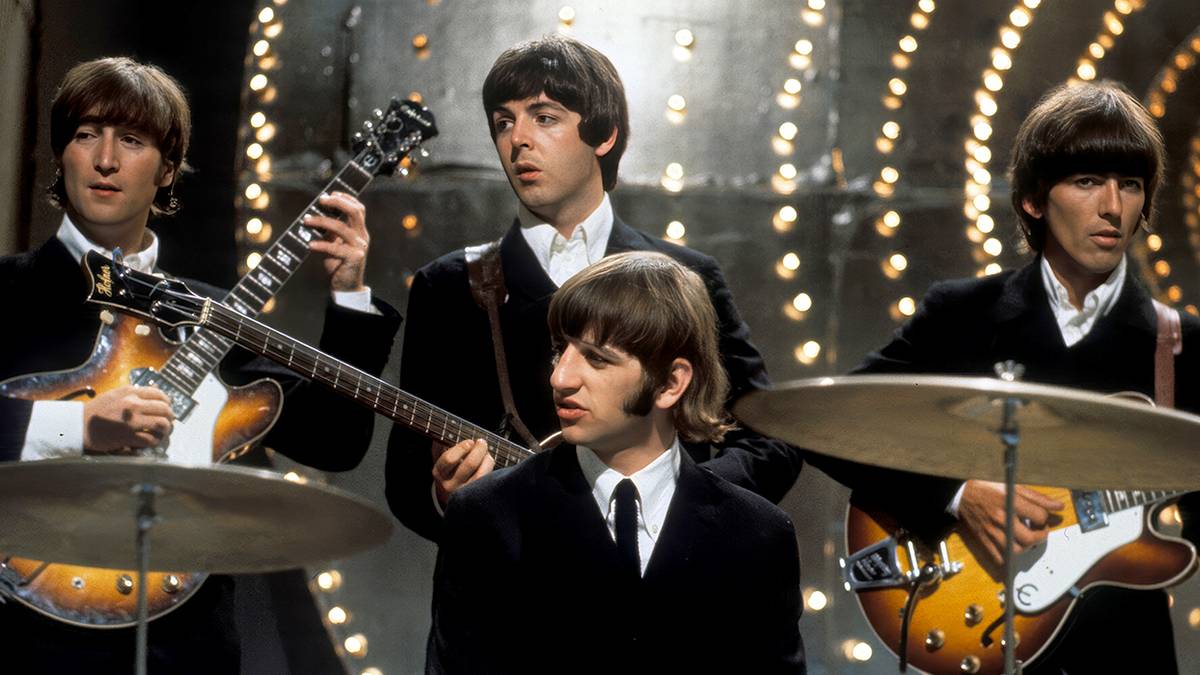
By 1969, The Beatles were practically a thing of the past. After the disastrous January recording sessions—later released as the album Let It Be—the band was on the verge of collapse. Cameras captured every tense moment, inadvertently pioneering reality TV, but as Peter Jackson's documentary The Beatles: Get Back later revealed, the presence of cameras only worsened their already strained relationships.
Shortly after those sessions, John Lennon and Yoko Ono decided to tie the knot. They initially planned a Paris wedding and honeymoon, but were told they needed to marry on British soil. So they wed in Gibraltar, then returned to Paris for their honeymoon, followed by their infamous "bed-in" at the Amsterdam Hilton. When Lennon returned, he had already turned the entire adventure into a song—a detailed, journalistic account he called "The Ballad of John and Yoko."
Lennon wanted to release it immediately, but he needed help to make it great. Despite their personal estrangement, he knew only one person could truly elevate the track: Paul McCartney. Their creative chemistry had never faded, even if their friendship had. So Lennon took the song to McCartney, who was home while Ringo Starr was filming The Magic Christian and George Harrison was on vacation.
McCartney was initially concerned about the chorus line, "The way things are going, they're gonna crucify me." Just three years after Lennon's infamous "more popular than Jesus" comment, McCartney feared another backlash. But he decided to help anyway. As Yoko Ono later recalled, "Paul knew that people were being nasty to John, and he just wanted to make it well for him. Paul has a very brotherly side to him."
Lennon understood the risk and sent a note to Apple Corps. warning against pre-publicity, especially regarding the "Christ" reference. The song was released without major controversy and shot to No. 1 in the UK.
The recording session in April 1969 was a rare moment of harmony. With only Lennon and McCartney present—Lennon on guitar and McCartney on drums—they joked around like old times. At one point, Lennon yelled, "Go a bit faster, Ringo!" and McCartney shot back, "OK, George!" It was a fleeting glimpse of the magic that had once defined their partnership.
But the peace didn't last. A few months later, Lennon announced he was leaving The Beatles and signed with manager Allen Klein, sparking years of legal battles. Lennon and McCartney stopped writing together and even used songs to attack each other. Yet for that one moment, while recording a song about Lennon's wedding, the old spark returned. Lennon was so grateful that when he released his solo protest anthem "Give Peace a Chance," he credited it as Lennon-McCartney, despite it being entirely his own work.
For fans of classic rock, this story is a reminder that even the most fractured friendships can produce something beautiful. And if you're looking for more hidden gems in entertainment, check out our list of unexpected movies that rival cinema's greatest masterpieces or explore non-action trilogies that redefine epic storytelling.