When it comes to sci-fi franchises that have built expansive television universes, Star Trek often steals the spotlight. But there's one series that quietly achieved something just as impressive: Stargate SG-1. What started as a hit 1994 movie evolved into a 10-season TV show, multiple spin-offs, and a devoted fanbase that's still thriving 25 years later.
The journey began when Showtime and MGM Studios struck a deal to turn Roland Emmerich and Dean Devlin's Stargate film into a television series. The original plan was for a trilogy of movies exploring Earth's myths—Bigfoot, Yeti, and more—but MGM saw bigger potential in a weekly show. Enter showrunners Brad Wright and Jonathan Glassner, who had previously worked on The Outer Limits. They crafted a story set one year after the film, bringing back heroes Jack O'Neill (Richard Dean Anderson) and Daniel Jackson (Michael Shanks), now joined by scientist Sam Carter (Amanda Tapping) and alien warrior Teal'c (Christopher Judge).
Building a Mythology That Rivals Star Trek
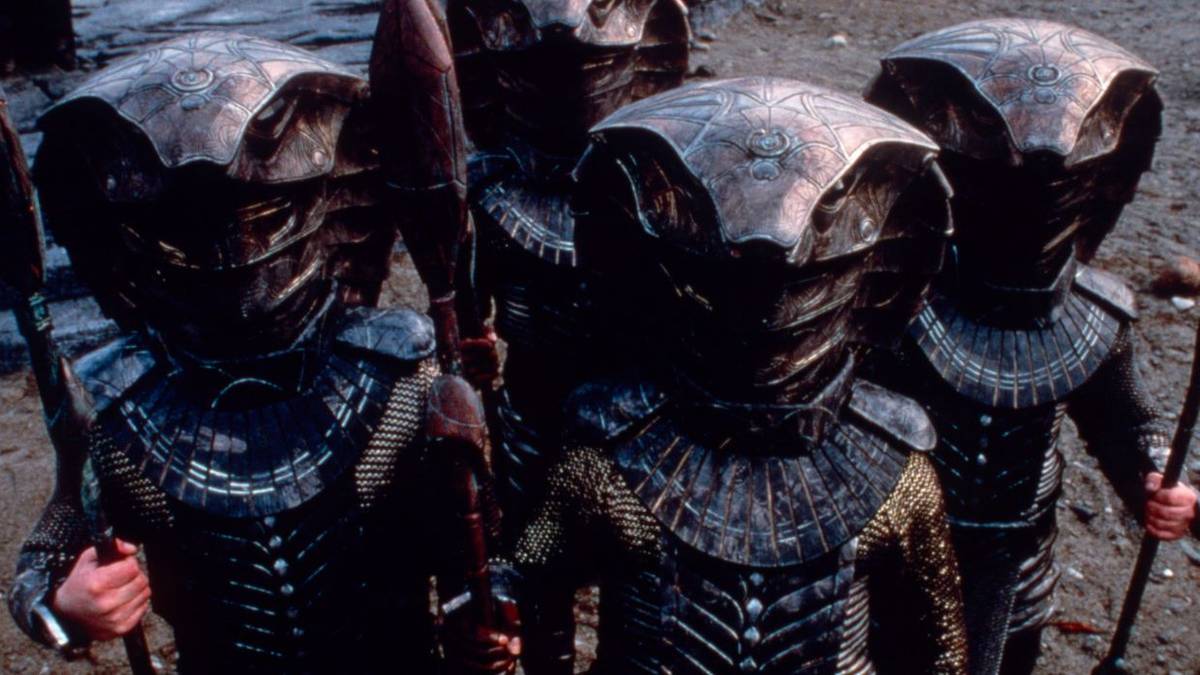
SG-1 didn't just continue the film's premise—it expanded it into a rich universe. The team used the Stargate to travel to other worlds, confronting the parasitic Goa'uld, who posed as gods from Earth's mythologies. From Apophis to Ba'al, these villains gave the show a unique blend of sci-fi and ancient history. The series also explored Norse, Japanese, and Babylonian myths, tying everything into the "ancient astronauts" theme. This allowed the writers to tackle deep questions about faith and power, much like Star Trek did with its own allegories.
Chemistry That Made the Franchise Shine
What truly set SG-1 apart was its cast. Anderson and Shanks stepped into roles originally played by Kurt Russell and James Spader, but quickly made them their own. Anderson's O'Neill became famously sarcastic and rule-bending, while Shanks brought a compassionate intellect to Jackson. Their dynamic with Tapping's Carter and Judge's Teal'c created memorable moments—like the will-they-won't-they tension between O'Neill and Carter, or Teal'c's journey from enemy to ally. The show balanced dark threats with humor, a trick that kept viewers coming back for 10 seasons.
Behind the scenes, the actors shaped their characters. Anderson pushed for O'Neill's wit, while Judge insisted Teal'c remain stoic. This collaboration extended to the crew, making SG-1 a labor of love. The pilot, "Children of the Gods," became one of Showtime's biggest premieres, and the series later moved to SyFy, where it helped put the network on the map alongside Battlestar Galactica.
A Legacy That Keeps Expanding
SG-1's success spawned two direct-to-DVD films—The Ark of Truth and Stargate Continuum—that wrapped up major storylines. It also led to spin-offs like Stargate Atlantis and Stargate Universe, creating a franchise that rivals Star Trek in scope. While Star Trek has its own massive universe, Stargate proved that a single TV series could build something just as enduring—without the backing of a streaming giant. For fans of smart, character-driven sci-fi, SG-1 remains the gold standard.
As the entertainment world continues to mine franchises for new content, Stargate's legacy is a reminder that sometimes the best universes are built quietly, one episode at a time. Whether you're a longtime fan or a newcomer, SG-1 is a journey worth taking.